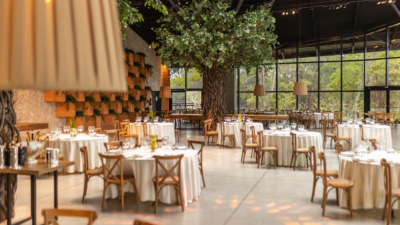


Travel behavior changes when a trip lasts only a night or two. A guest arriving for a weekend rarely interacts with a property the same way someone staying five days does. The room becomes more of a stopping point than a place where the vacation unfolds.
People unpack quickly, step back outside, and return late. The property exists mainly to support the trip rather than define it. Because of that pattern, certain amenities stop mattering as much while others become surprisingly important.
The difference becomes obvious once the schedule of a short trip takes shape.
Location Begins to Carry the Experience
Short-stay travelers often build their plans around what exists outside the property. Restaurants, trails, lakes, and small town centers suddenly become part of the appeal. If these places are nearby, the trip flows naturally.
Driving long distances during a short stay feels different. A twenty-minute drive might seem minor on a long vacation. Over a quick weekend, that same distance begins to feel like lost time.
Travelers quickly notice when everything sits close together.
It makes the trip feel longer than it actually is.
Arrival Experience Becomes More Visible
Guests staying several nights tend to forget the details of check-in once they settle into their routine. A short stay compresses everything into a smaller window. Arrival becomes one of the main experiences of the visit.
Parking that feels simple, directions that make sense, and quick access to the room help the trip begin smoothly. When arrival becomes complicated, the inconvenience feels larger than it would during a longer vacation.
Short trips leave less room for friction.
People notice it immediately.
Sleep Carries More Importance Than Expected
Short visits often involve long drives or busy activity schedules. Travelers might spend only one night in the room, yet that night of rest shapes the entire experience.
Comfortable beds and quiet surroundings become far more important than decorative features. Guests rarely remember the design of the room.
They remember whether they slept well.
The room becomes a place to recover rather than to linger.
Guests Spend More Time Outside the Property
Long vacations encourage guests to explore the amenities within the resort itself. Pools, spas, and activities begin filling the schedule after a few days.
Short stays usually work differently. Travelers step outside quickly and spend most of their time exploring nearby areas instead. The property functions as a gateway rather than a full destination.
This is often why people researching Getaway resorts near Atlanta focus heavily on the surrounding environment. Lakes, hiking areas, or small downtown districts often matter more than large resort facilities.
The trip happens beyond the room.
Simplicity Improves the Experience
Complex layouts and layered service systems rarely appeal to short-stay guests. People arriving for a quick trip want everything to feel easy to understand.
Finding the room should feel straightforward. Leaving in the morning should take only a few minutes. Guests prefer not having to learn how the property operates.
Short trips move quickly.
The accommodation works best when it keeps the pace.
A Few Details Define the Entire Stay
When a visit lasts only a night or two, small moments tend to shape the entire memory of the trip. A peaceful morning view, a quiet room after a long day outdoors, or a smooth departure can stay in memory long after the visit ends.
Long vacations build impressions over time. Short stays rely on a handful of experiences that happen within a limited window.