
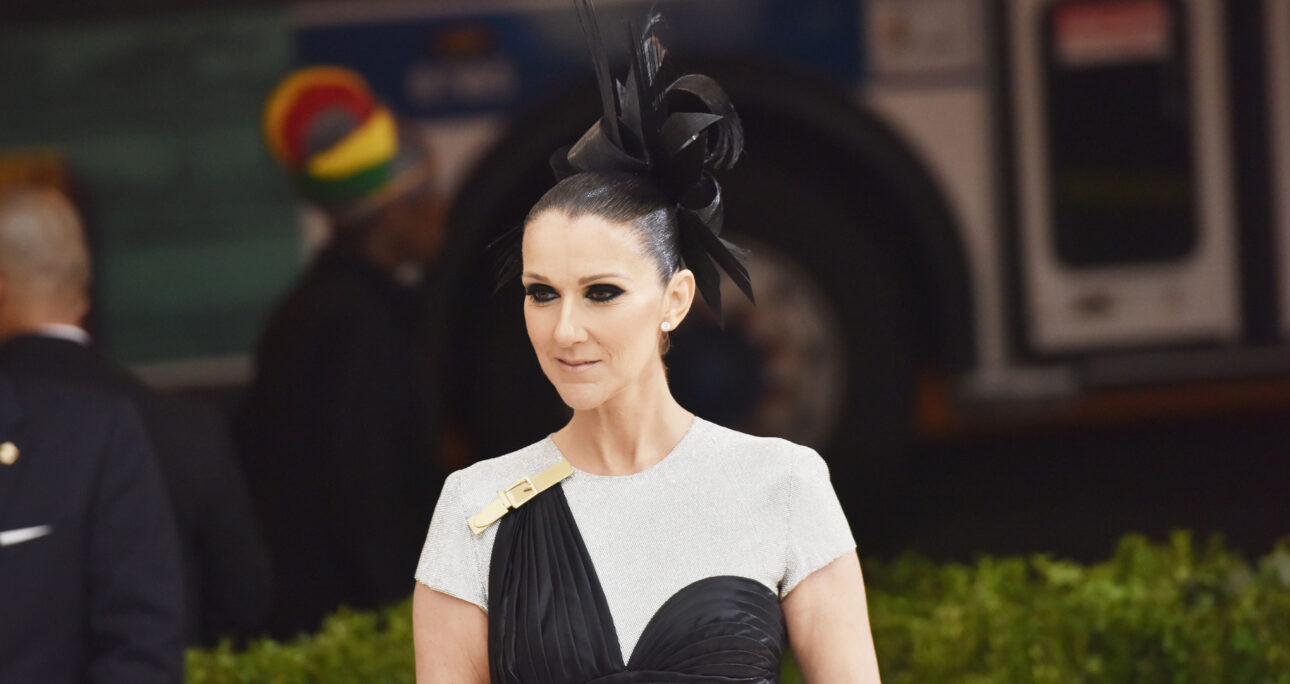
Celine Dion disease has become a major search topic as fans worldwide seek to understand the rare condition that forced the iconic singer to step back from the spotlight. In December 2022, the powerhouse vocalist behind hits like “My Heart Will Go On” publicly revealed her diagnosis of stiff-person syndrome (SPS), a rare neurological disorder. This announcement shocked the music world and brought much-needed awareness to a condition that affects roughly one in a million people.
Celine Dion’s openness about her health struggles has turned “Celine Dion disease” into more than a keyword, it represents resilience, vulnerability, and the determination of a global superstar fighting an invisible battle while inspiring millions.
What Is Stiff-Person Syndrome? Understanding Celine Dion’s Condition
Stiff-person syndrome, the “Celine Dion disease” many now associate with the singer, is a rare autoimmune neurological disorder. It causes progressive muscle stiffness and painful spasms, primarily affecting the trunk, arms, and legs. The immune system mistakenly attacks proteins involved in muscle control, particularly those related to gamma-aminobutyric acid (GABA), the brain’s main inhibitory neurotransmitter. This leads to overactive muscles that fail to relax properly.
Key facts about stiff-person syndrome:
- It affects women more often than men (roughly 2-3 times higher prevalence).
- Onset typically occurs between ages 20-50, though symptoms can appear earlier.
- It is progressive but not usually fatal, though severe cases can impact mobility, breathing, or swallowing.
- SPS is often misdiagnosed as Parkinson’s disease, multiple sclerosis, fibromyalgia, or anxiety disorders due to overlapping symptoms.
Symptoms include extreme muscle rigidity (sometimes described as feeling like “steel rods”), sudden spasms triggered by noise, touch, stress, or emotional stimuli, difficulty walking, hunched posture, and in Celine’s case, interference with vocal cord function. Spasms can be so violent they cause falls, broken bones, or dislocated joints.
For Celine Dion, the disease profoundly affected her ability to perform, the very core of her identity. She has described spasms impacting “every aspect” of daily life, from walking to singing the soaring notes that defined her career.
Celine Dion’s Long Road to Diagnosis
Celine Dion’s symptoms reportedly began around 17 years before her public announcement, though she powered through for the sake of her family, career, and fans. Early signs were subtle: muscle aches, stiffness, and vocal challenges that forced her to adjust keys or lower her range during performances.
She underwent numerous tests, seeing specialists who initially found nothing conclusive. In 2021-2022, symptoms worsened dramatically, leading to the postponement and eventual cancellation of her Courage World Tour. The official diagnosis came in August 2022 from neurologist Dr. Amanda Piquet, confirming stiff-person syndrome.
On December 8, 2022, Celine shared an emotional Instagram video: “Recently, I’ve been diagnosed with a very rare neurological condition called stiff-person syndrome, which affects something like one in a million people.” She expressed heartbreak over canceling shows but emphasized her commitment to recovery.
This transparency about “Celine Dion disease” resonated deeply, humanizing a superstar who had seemed invincible.
The Impact on Celine Dion’s Career and Personal Life
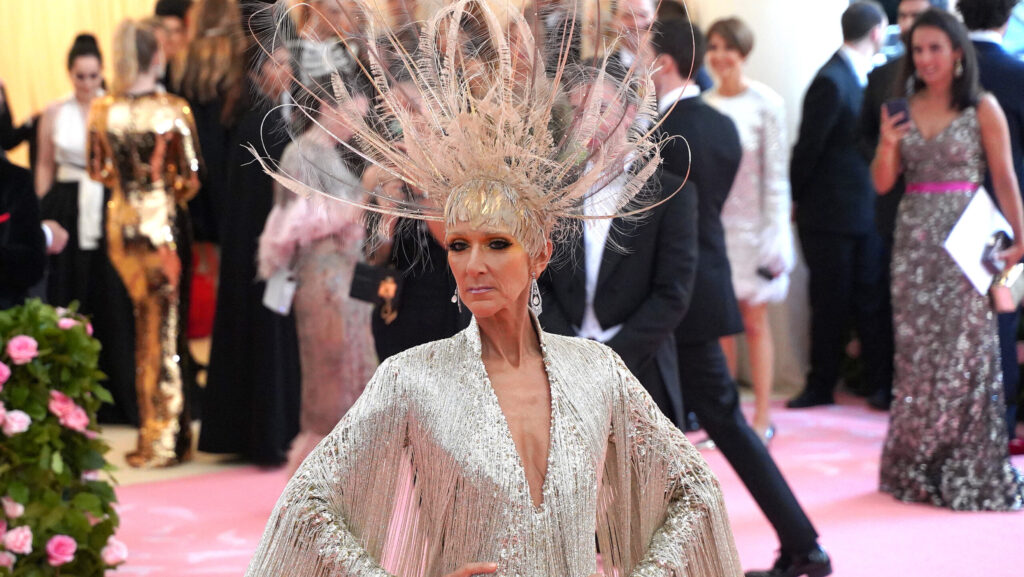
Celine Dion’s career is legendary: over 200 million albums sold, multiple Grammys, a record-breaking Las Vegas residency, and timeless soundtracks. The disease forced a painful pause. She canceled remaining tour dates in May 2023, stating it was unfair to fans to keep postponing.
Beyond the stage, SPS affected her daily life. She has spoken about hiding symptoms while raising her three sons, René-Charles and twins Nelson and Eddy, especially after losing her husband René Angélil to cancer in 2016. The burden of secrecy became too heavy; she described the relief of finally speaking out.
In her 2024 documentary I Am: Celine Dion, viewers witness raw moments, including a severe spasm during physical therapy. The film captures her determination: “I’m working hard… to build back my strength and my ability to perform again.”
Despite challenges, Celine has made memorable appearances, including presenting at the 2024 Grammys and performing at the Paris Olympics opening ceremony in 2024, her first major public performance in years.
Treatments and Management of Stiff-Person Syndrome
There is no cure for stiff-person syndrome, but treatments focus on symptom management and modulating the immune response. Celine Dion’s regimen reportedly includes:
- Medications: High doses of benzodiazepines like diazepam (Valium) to relax muscles, though she has noted the risks of such high dosages. Baclofen and anti-seizure drugs are also common.
- Immunotherapy: Intravenous immunoglobulin (IVIG) to reduce autoimmune activity. Other options include plasmapheresis or immunosuppressants.
- Physical and Vocal Therapy: Intensive daily sessions with sports medicine therapists, aqua therapy, stretching, and specialized vocal exercises to rebuild strength and control.
- Lifestyle Adjustments: Avoiding triggers, stress management, and consistent rehabilitation.
Progress is slow and variable. Celine has been candid that she hasn’t “beaten” the disease but is learning to live with it while regaining function.
Medical experts emphasize early diagnosis and a multidisciplinary approach involving neurologists, physical therapists, and pain specialists. Awareness raised by high-profile cases like Celine Dion’s helps reduce the typical 7-year diagnostic delay for many patients.
Hope, Comeback, and Inspiration: Celine Dion’s Resilience
By 2025-2026, signs of Celine Dion’s recovery brightened fans’ hearts. In March 2026, on her 58th birthday, she announced a residency at Paris La Défense Arena (now Plenitude Arena), starting September 2026 with additional dates added due to demand. She shared: “I’m doing great, managing my health. I’m feeling good. I’m singing again, even doing a little bit of dancing.”
She released new French-language singles like “Dansons” and “Bonjour, Pardon, Merci,” signaling her creative return. Her team coordinates physiotherapy and medical support around performances.
Celine’s story transcends music. It highlights living with chronic illness, the power of vulnerability, and refusing to let a disease define you. She has said the condition “didn’t take anything away from me” and vowed to return to the stage “even if I have to crawl.”
Her journey encourages others facing rare diseases to advocate for themselves, seek proper care, and hold onto hope. It also spotlights the need for more research into autoimmune neurological conditions.
Living with Celine Dion Disease: Lessons for Fans and Patients
For those searching “Celine Dion disease,” the takeaway is empowerment through knowledge. SPS is rare but manageable for many with proper treatment. Support networks, therapy, and community (including patient organizations) play vital roles.
Celine Dion’s legacy now includes advocacy. By sharing her struggles, she destigmatizes invisible illnesses and reminds us that strength looks different for everyone, sometimes it’s hitting high notes, other times it’s simply getting through the day.
As she prepares for her Paris residency and continues creating music, Celine embodies perseverance. Her voice, though challenged, remains powerful in its authenticity.
Conclusion
The story of Celine Dion disease, stiff-person syndrome, is one of courage amid uncertainty. From secret struggles spanning nearly two decades to public transparency and a triumphant path back to performing, Celine’s resilience shines. She continues to inspire fans not just with her music, but with her humanity.
Whether you’re a longtime admirer, newly diagnosed, or simply curious, Celine Dion’s journey proves that even in the face of rare challenges, the power of love, for family, fans, and self, endures. Here’s to her continued healing and many more unforgettable performances ahead.
Originally written by renowned publicist R. Couri Hay, offering his signature insider’s take on culture, society, and entertainment.
For more celebrity profiles, acting insights, and streaming recommendations, explore our other articles.