

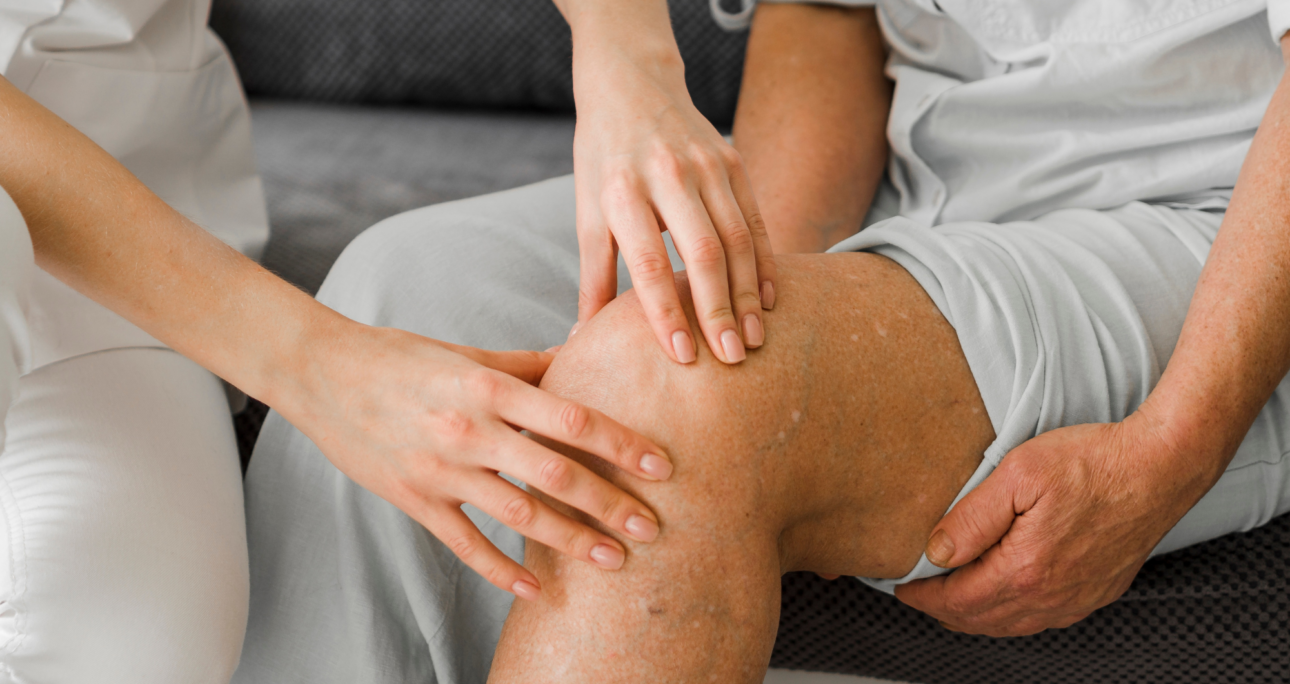
High performance exacts a real toll on the human body. High-achieving individuals spend endless hours pushing physical limits, building businesses, and grinding through early morning workouts. Then an unexpected pain hits. A sharp, dull ache in the knees or shoulders turns daily routines into grueling tasks. Joint degradation rarely sends advance notice. It simply builds up over years of repetitive movement, heavy lifting, and demanding daily schedules.
Giving up physical activity is not a realistic option for driven people. Staying sharp mentally relies heavily on staying strong physically. Once physical mobility drops, personal drive and sharp decision-making often decline right behind it. Surgical intervention usually sounds like a full stop. Months spent recovering in physical therapy while stepping away from career goals causes immense frustration. Non-surgical care protocols provide a smarter path forward, keeping body mechanics fluid without demanding total downtime.
Mechanical Friction And The Hidden Cost Of High Activity
Cartilage takes the brunt of continuous hard training. Long miles on hard pavement or heavy load sessions in the gym create microscopic wear patterns inside joint capsules. Add long hours sitting at office desks, and joint stiffness settles deep into surrounding tissue. Natural synovial fluid acts as a protective shield inside healthy joints. Over time, heavy stress breaks this fluid down. Friction replaces smooth sliding motions. Walking down stairs or getting out of a car suddenly feels stiff and uncomfortable.
A common trap involves reaching for quick chemical fixes. Painkillers mask the warning signals sent by damaged tissue. Taking pills every day allows short-term training to continue, but internal friction keeps tearing away at cartilage beneath the surface. Masking pain does not fix mechanical breakdown. Joints demand real structural solutions, not temporary covers.
Resting completely rarely fixes mechanical issues either. Total inactivity weakens supporting muscles, causing joint capsules to absorb even higher forces once normal movement resumes. Protecting joint health requires proactive care that supports internal tissue structures while keeping movement clean.
Targeted Care Protocols For Sustained Joint Integrity
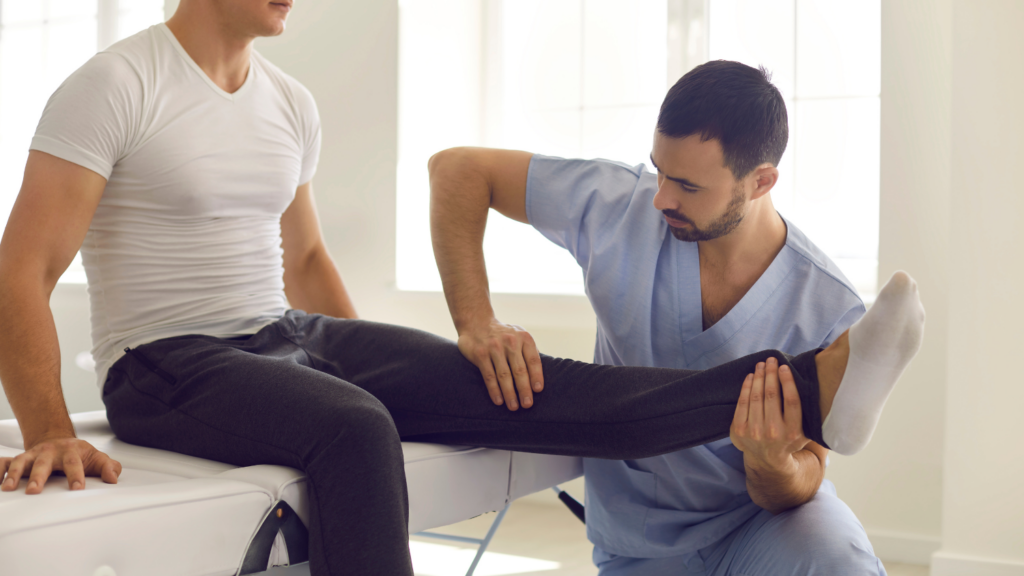
Maintaining peak physical output requires replacing what heavy wear strips away. Synovial fluid loses its thickness and cushioning properties under constant load. Injecting targeted viscous compounds directly into the joint capsule helps restore essential cushioning. This clinical approach creates a supportive fluid barrier, reducing internal friction so soft tissue gets space to recover naturally.
Sports medicine clinics depend on consistent supply lines to keep these precise treatments accessible for active patients. Managing clinical inventory carefully ensures that treatment occur without unexpected delays. Specialized medical practices regularly source authentic products from a verified Synvisc online supplier to maintain precise schedules for patients seeking non-surgical relief. Reliable access to verified viscosupplementation supplies gives healthcare providers the exact tools needed to keep patients moving comfortably.
Practical non-surgical joint management focuses on a few core actions:
- Restoring natural fluid clearance to prevent bone-on-bone friction during weighted movements.
- Protecting vulnerable soft tissues from continuous micro-trauma with localized care.
- Minimizing rehabilitation downtime so athletic and professional schedules stay intact.
Adapting Training Methods For Real Longevity
Hard training requires smart adjustment over time. What worked at twenty-five often damages joints at forty-five. Running long distances on concrete five days a week causes continuous high-impact pounding. Swapping out two running sessions for rowing, swimming, or heavy sled pushes preserves cardiovascular fitness while removing harsh impacts on hips and knees.
Dedicated mobility routines must become a permanent daily priority. Stretching major muscles for five minutes after a workout is not enough. Target deep joint capsules in the hips, ankles, and upper spine. Restricted motion in the ankles forces knees to absorb twisted forces during squats or sprints. Fixing movement issues further up or down the chain stops joint structures from taking unnecessary abuse.
Progressive adaptation takes patience. Forcing heavy weights onto irritated, inflamed joints leads directly to severe injuries. Dropping load volume while refining movement mechanics leads to far greater longevity. Athletes who prioritize joint health keep training for decades, while those who ignore early warning signs end up sidelined permanently.
Building Active Recovery Habits
Sitting on the couch waiting for joint pain to clear up is a passive approach that yields minimal results. Active recovery uses light, non-damaging movement to pump oxygen-rich blood into tight tissue zones. Cartilage lacks direct blood flow, so gentle joint movement helps push essential nutrients into surrounding spaces.
Water-based training provides an ideal environment for recovery. Water buoyancy unloads body weight from knees, hips, and ankles while allowing full range of motion. Resistance bands also offer smooth tension that strengthens muscles without placing joint capsules under axial compression. Integrating these methods keeps conditioning high without breaking down soft tissues.
Consistency always outperforms reckless intensity over a long timeline. Maintaining disciplined, low-impact training blocks creates a lasting foundation for total body health. The ultimate goal goes well beyond completing today's workout set. The real target is moving without pain ten, twenty, or thirty years down the road.
Structural Resilience Through Smart Load Distribution
Building durable joints requires balancing intense work with full tissue recovery. Tendons, ligaments, and cartilage adapt much slower than skeletal muscle because of low blood supply. Heavy weight training increases muscle strength fast, but soft joint tissue takes months to match that adaptation. This mismatch creates vulnerable friction points across major joints.
Working through full movement ranges with controlled tempos forces tissues to adapt safely. Pausing briefly at the bottom of movements removes bounce, placing stress directly on targeted muscles rather than forcing joint capsules to catch falling weight. Simple mechanical adjustments like this drastically lower joint strain while preserving strength gains.
Long-term success comes down to reading early warning signals before major damage occurs. Brief stiffness after workouts, slight throbbing in joint spaces, and reduced morning range of motion are clear signs that physical stress needs immediate adjustment. Listening to these early indicators helps prevent chronic injury, keeping you strong, mobile, and active without relying on invasive surgery.
Also Read: Balancing Holistic Studio Infrastructure with Contemporary Wellness Pricing