

Old money used to mean a predictable portfolio: blue-chip stocks, municipal bonds, and a banker who called once a quarter. That formula has changed, now, and for the world’s wealthiest households, portfolio strategy now looks like an ongoing negotiation between growth, geography, and risk. The change reflects a generation of investors who came of age watching markets move faster than the institutions built to manage them, and who expect their money to move at a similar pace.
A Dollar That No Longer Feels Fixed
Perhaps the clearest sign of this change is how the wealthy now think about currency. According to UBS’s Global Family Office Report 2026, which surveyed 307 such firms with an average net worth of $2.7 billion, 65% expect confidence in the dollar’s reserve currency status to weaken over the coming year. Nearly half of these respondents now consider themselves overexposed to the dollar. Almost a third say they have already begun reducing dollar-denominated holdings.
Maximilian Kunkel, UBS’s Chief Investment Officer for Global Family and Institutional Wealth, has described the shift as a defensive response to a more complicated macroeconomic picture. It’s also a deliberate move to capture opportunity in areas like artificial intelligence and infrastructure. The euro and Swiss franc are emerging as the preferred counterweights. Multi-currency thinking, once the concern of multinational corporations alone, is becoming standard practice for wealthy households with holdings spread across two or more jurisdictions.
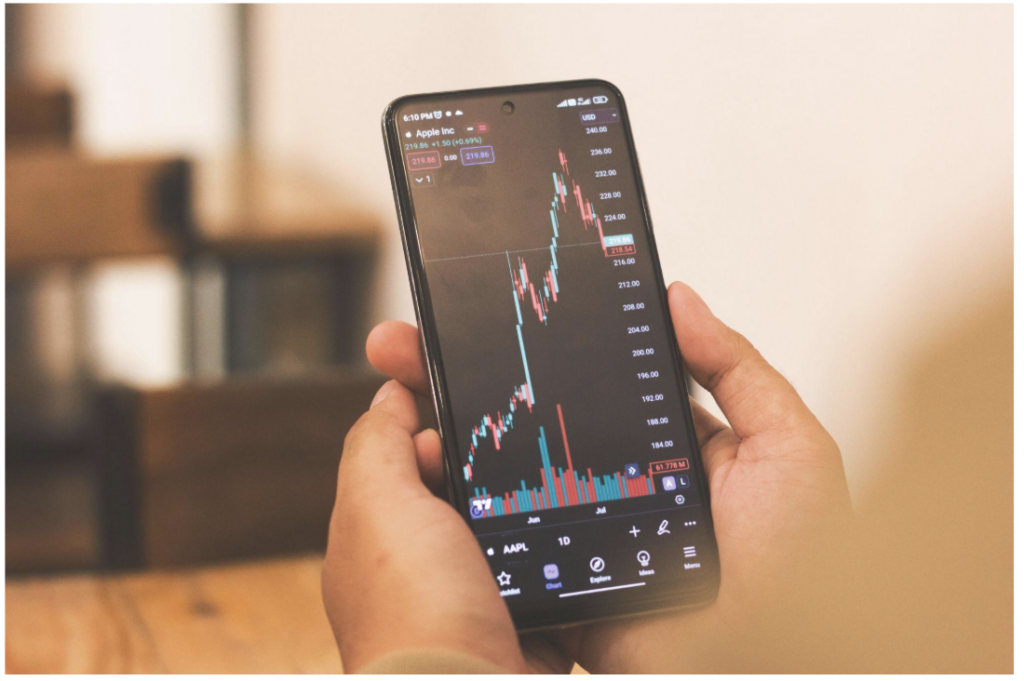
For multi-currency investments, the tools available to individual investors have started to catch up with institutional practice. Where a private office might once have relied on a bank’s trading desk to execute a currency hedge, that same function is now available through a trading app that lets an investor monitor exchange rate movements, set custom alerts, and adjust exposure without waiting for a callback.
OANDA’s mobile platform, for instance, lets users track multiple currency pairs alongside an economic calendar in real time, a modest but meaningful convenience for anyone managing wealth across borders rather than within a single national economy.
That kind of currency awareness doesn’t exist in isolation. It’s part of a broader reallocation. In fact, 60% of the family offices UBS surveyed now plan to change their strategic asset allocation within the next twelve months, up sharply from the 35% who said the same a year earlier. This is the highest figure the bank has recorded since the survey began.
This change marks a break from the buy-and-hold instincts that defined private wealth for decades, replaced by something closer to continuous portfolio maintenance. The asset side of that rebalancing tells its own story
The End of Predictable Portfolios
More portfolios are prioritizing emerging market equities and infrastructure. Real estate, on the other hand, is losing ground — UBS expects real estate to fall from around 11% of allocations to closer to 8% among offices actively rebalancing. Private equity still takes up a major portion of portfolios, though even that allocation is being trimmed slightly in favor of hedge funds and gold, both of which are being used less as speculative bets and more as ballast against geopolitical shocks. Geopolitical conflict, in fact, now tops the list of concerns these offices cite when asked what could derail their strategy over the next year.

Family Offices Take Center Stage
Much of this change is happening inside family offices, the private investment firms that the ultra-wealthy increasingly use in place of a traditional bank relationship. Deloitte’s research on the family office landscape estimates that there were roughly 8,030 such structures globally in 2024, up from 6,130 in 2019, with that number projected to climb to 10,720 by 2030 as the total wealth under their management nearly doubles to $9.5 trillion.
These are not passive holding companies. Many now run in-house investment committees, formal performance reporting, and succession planning frameworks that resemble institutional asset managers more than a private accountant’s back office. What began as a discreet way to keep a fortune out of view has become a genuine alternative to hiring a wealth manager, complete with its own hiring cycles, technology budgets, and, for many, a dedicated currency desk once reserved for banks and multinationals
Alternatives, Access, and a Changing Definition of Diversification
Diversification used to mean owning a handful of different stocks. Nowadays, it looks like a mix of private credit, infrastructure debt, fine art, and a modest but growing allocation to digital assets. Digital assets are currently held by around a quarter of these firms, typically at low single-digit weightings even among those invested.
The appetite for artificial intelligence remains the standout theme. Around 65% of US respondents surveyed by UBS are looking to allocate capital to the sector, even as 71% separately acknowledge the possibility that valuations have run ahead of fundamentals.
These trends show a preference for optionality over conviction. Rather than making one large directional bet, the wealthiest investors are building portfolios that can absorb a shock in a single region or currency without the whole structure coming undone.
The goal is not to predict the next decade, but to survive whichever version of it arrives.
Final Thoughts
None of this suggests the wealthy have found a formula immune to volatility. If anything, the data points to the opposite: no single approach to investing holds up indefinitely. These days, portfolios need to be revisited more frequently than they did a decade ago.
These portfolios are now approached with a willingness to treat currency and geography as variables to be actively managed, rather than settled once at a dinner with the household’s private banker and left alone.