
It all started with a skiing accident.
In the winter of 1991, Nancy Davis was recovering from an icy tumble that left her with a torn ACL when she started to notice feeling loss in three fingertips on her right hand; within days, the whole hand felt numb. It seemed odd, her orthopedist hadn’t told her to expect that, but she figured it must be related to the injury. “I called my doctor’s office and said, ‘I think it’s my knee brace—it’s hitting a nerve; it must be the wrong brace,'” she says. The response: “We want you to go to a neurologist.”
From there, the 33-year-old’s charmed life, she was married to an oil company exec, active in charities as well as on the slopes and tennis court, and a mom to three little boys—descended into a nightmare. “Every three days I was experiencing a loss of sensation in different parts of my body,” she says. “And then I started having double vision. It was creepy.” Six hours in an MRI machine led to a shocking diagnosis, delivered with zero bedside manner. “The doctor hung up all the scans and started pointing with this pointer. Look at that spot on your brain. Look at that one on your spinal column. Oh my God, that one’s really big,” Davis recalls. “Kind of like Darth Vader with this big laser pointer. Then he said, ‘You’re really lucky. You don’t have a brain tumor, but you do have multiple sclerosis. Eventually you won’t be able to walk, but you’ll probably be able to control the remote on your TV set.'”
Davis didn’t know much about MS, a chronic disease of the central nervous system that disrupts communication between the brain and body, causing symptoms including weakness, fatigue, vision problems and potential loss of mobility, but she knew enough to think the doctor might be right. “My whole world came crashing down,” she says. She remembers sobbing in the crowded elevator after leaving his office and later getting little sympathy from her husband. “We were having dinner the night before one of my appointments, and he was telling me how bad his life was, with the economy we have…. Then he said, ‘And now I have a wife with MS.’ The one time I needed some moral support!”
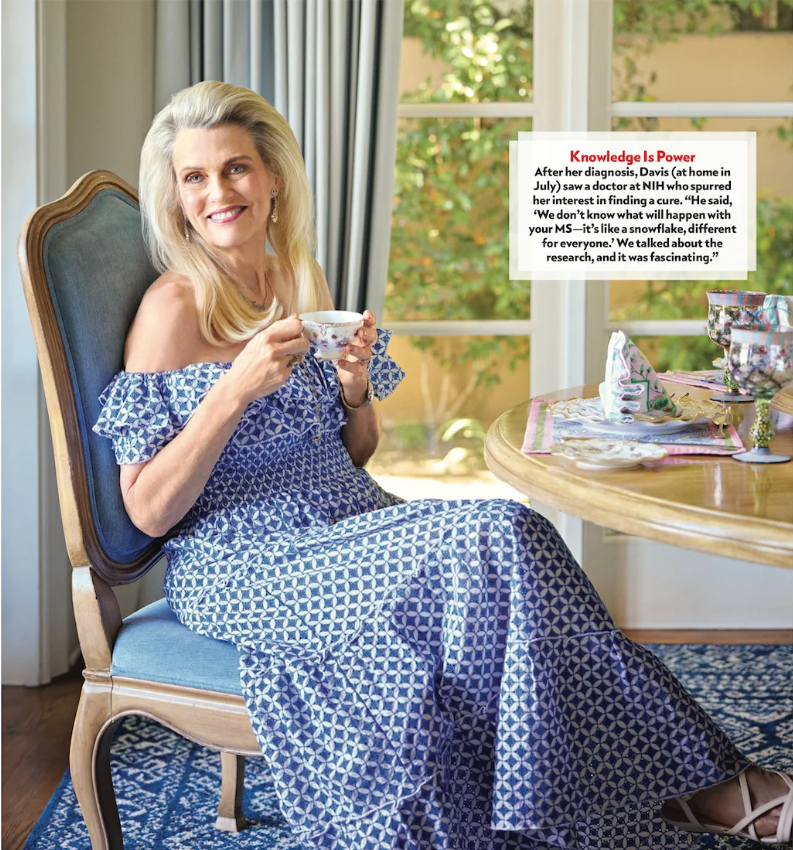
Another woman might have been destroyed by it all, but Davis, now 69, was galvanized. Instead of just one second opinion, she got many. “I was dying to find a doctor who said I didn’t have it,” she says. “I guess I was in denial.” She left her husband, concluding he wouldn’t be the ideal partner for navigating life with a chronic illness. “It was like he had a tattoo that said ‘stress’ across his head.” And she found a cause: searching for a cure for her disease.

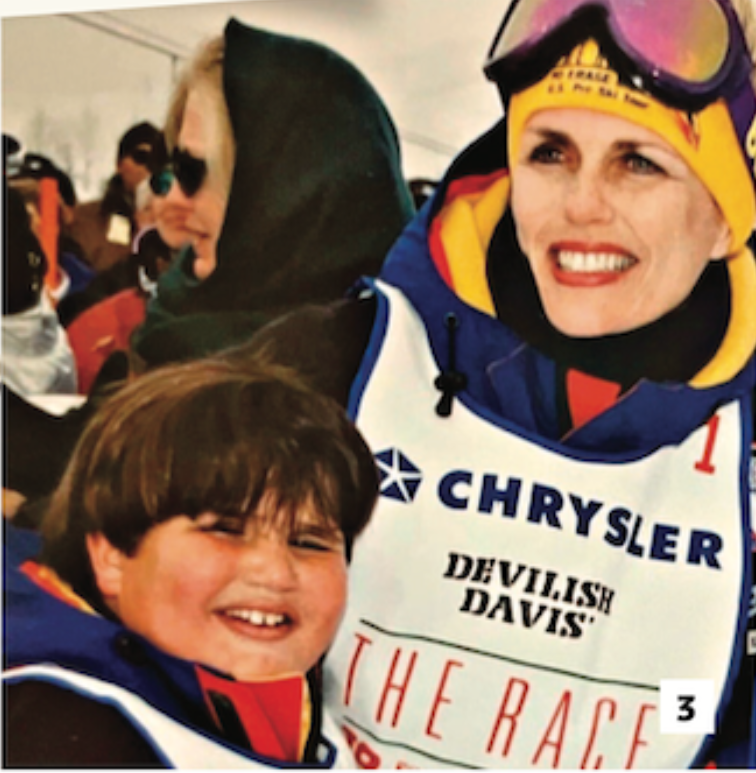
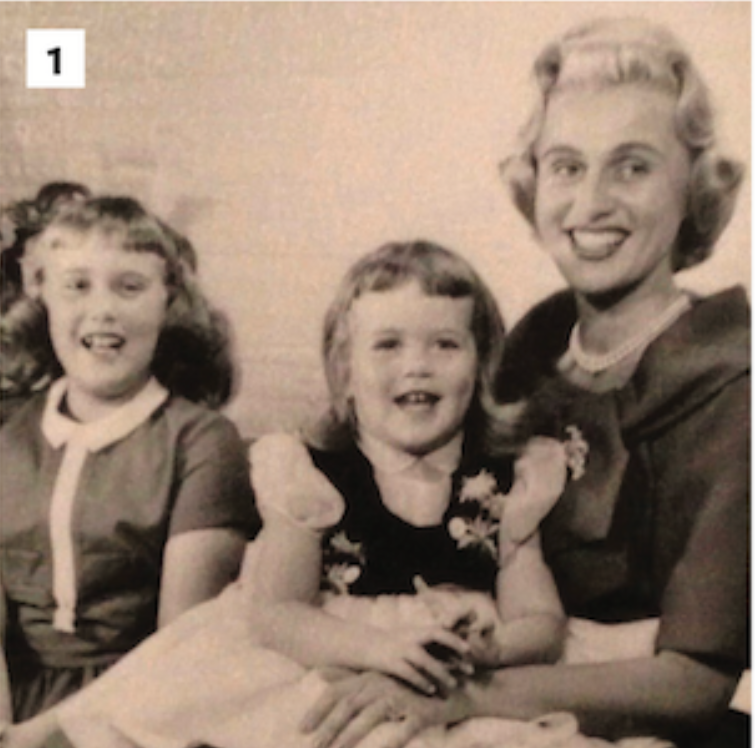
In 1993, she founded the Race to Erase MS, a foundation that raises funds and brings together physicians and scientists from the country’s top research centers to coordinate efforts to find treatments. The group has raised $58 million since its inception, helping researchers discover new drugs that have transformed the outlook for patients, who currently number around 1 million in the U.S. When she was first diagnosed, Davis says, “I asked what I could do to keep this from getting worse, and the doctor said, ‘There isn’t anything. It’s a very difficult disease.’ Now they’ve gotten FDA approval on the 25th drug, and there are new ones coming every year. I don’t take credit for all of them….” Davis comes by her zeal for foundation work naturally. The daughter of Marvin Davis, an oil magnate turned Hollywood mogul (at one time he owned 20th Century Fox), she grew up in Denver and at 19, after her 7-year-old sister was diagnosed with diabetes, helped her “very philanthropic” mother, Barbara, start the Children’s Diabetes Foundation. Since its start in 1977, the charity has raised more than $100 million for diabetes research. “I learned how to do auctions and other creative things to raise money that would benefit doctors down the road,” Davis says. She attended the University of Denver planning to be a lawyer, but after marrying and having three children she found herself focused on charity work in L.A., where her family settled.
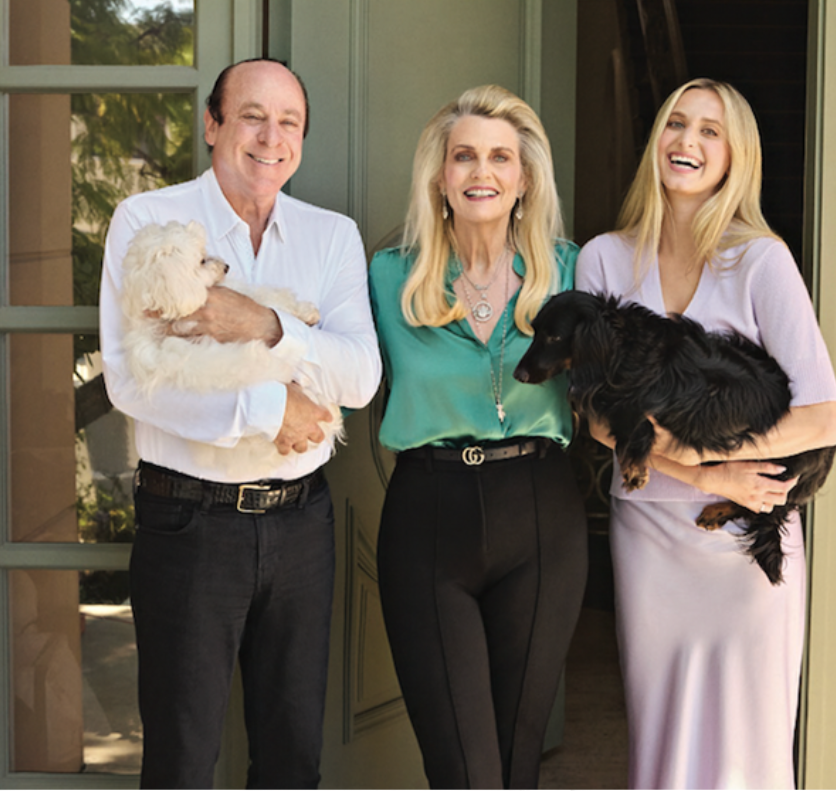
Her diagnosis, traumatic though it was, barely slowed her down. She met and married Ken Rickel, an investment banker and “a normal, nice, even-tempered person” not long after her divorce, and the couple had twin daughters in 2004. Her symptoms came and went, as is typical of relapsing- remitting MS, the most common form of the disease, but the attacks were always manageable. “It was the same things-loss of feeling, my eyesight,” she says. “More recently it’s gotten to be different kinds of attacks, pain that starts in my left foot and moves up. It’s very painful, but I still get out.” Stress may play a role in bringing on symptoms, and she’s had no shortage of that through the years: At 21, her son Jason became addicted to opiates after a back injury.
He got sober and suggested his mom help him start a charity; they founded Cure Addiction Now in 2018. But two years later Jason died suddenly, at age 35. “It was a double pulmonary embolism,” says Davis, who was devastated. “The smartest, best kid. I knew an attack would come after he died, and it did. You just do your best to get through it.” For her, getting through attacks means visiting her longtime homeopath. It’s the only treatment she has ever tried in her 36 years with MS, despite her enthusiasm for all the new drugs. “I know it sounds crazy, but I do the homeopathic because it works for me,” she explains. “I have a brilliant homeopath who gives me these drops, and after about four days I feel amazing. If I was diagnosed today, there’s no way I wouldn’t be on one of the new drugs. But if it’s not broken…” What do the doctors think? Says David.
A. Hafler, M.D., professor of neurobiology and immunology at Yale School of Medicine: “Homeopathy is a belief structure rather than evidence- based. Whatever you believe in, I’m fine with that as long as it doesn’t hurt you. That said, we have treatments that basically approach curative, and the sooner you get on them, the more effective they are.” Hafler, who works with Davis’s foundation but hasn’t treated her, adds, “I’ve certainly seen patients with benign MS who do extremely well for 40 years; the problem is you don’t know if you’re going to be one of them. Nancy thankfully has done very well.”
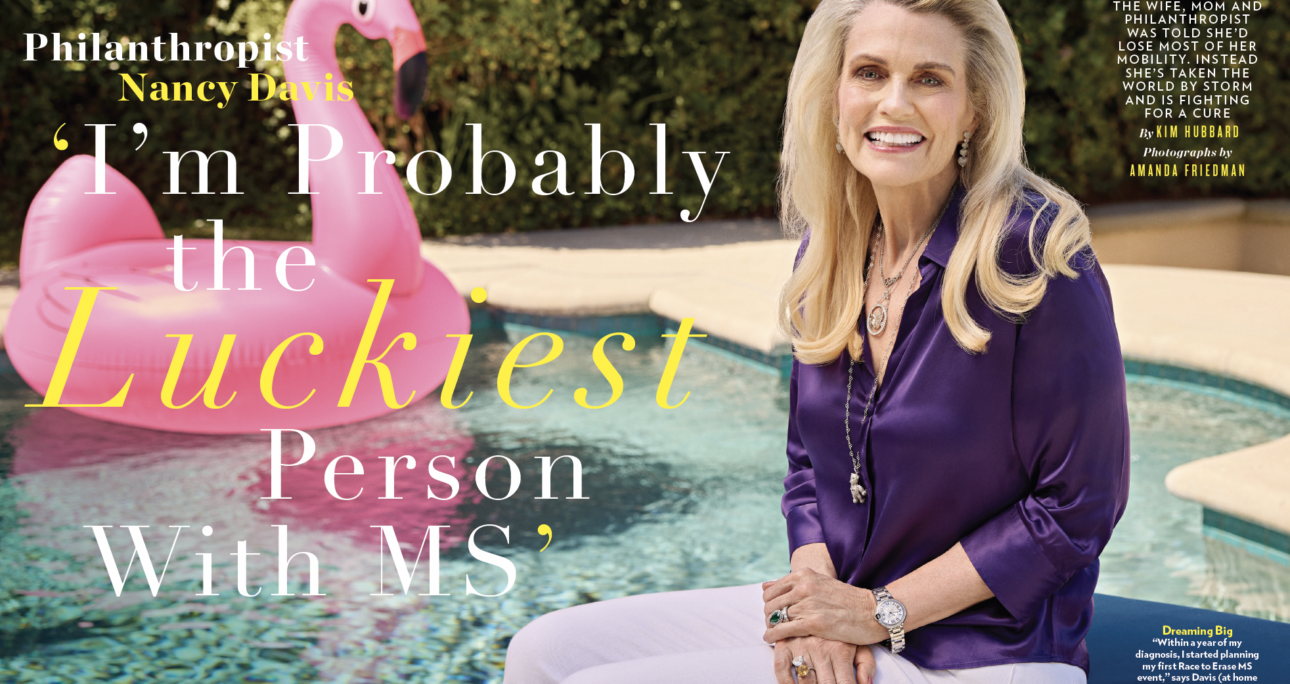
These days Davis remains physically active (“I do lots of steps every day”), enjoys playing with her grandchild (“I love the being-a-grandma thing”) and is as devoted as ever to her two foundations- her annual star-studded Race to Erase MS gala in L.A. raised around $1.8 million this year.
She’s written a soon-to-be- published book on grief-“a gift for my son, basically” and is making a film on addiction called The Call. “My doctors look at my MRIs, which don’t look so good, and they don’t understand how I’m walking and functioning the way I am,” she says. “They all want to study me.” At this rate she’s feeling confident she’ll be around not just long enough to play with more grandchildren but also to see her biggest wish ful- filled. “There’s this major energy that we are absolutely going to find a cure for MS. It’s not some dream that’s going to take forever. We’re there.”
MS: Is a Cure Within Reach?
NEW TREATMENTS HAVE DRAMATICALLY REDUCED ATTACKS FOR MANY PATIENTS
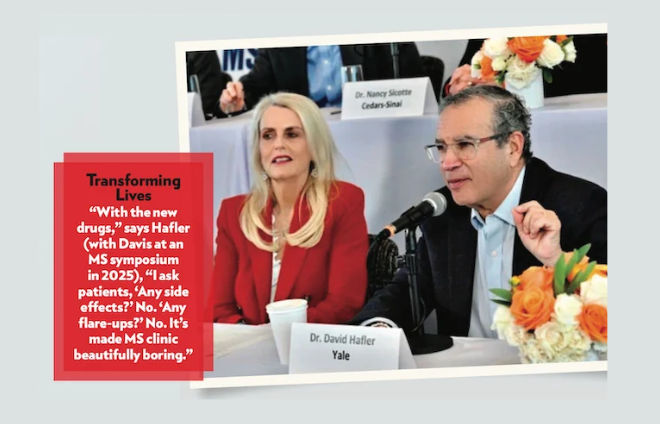
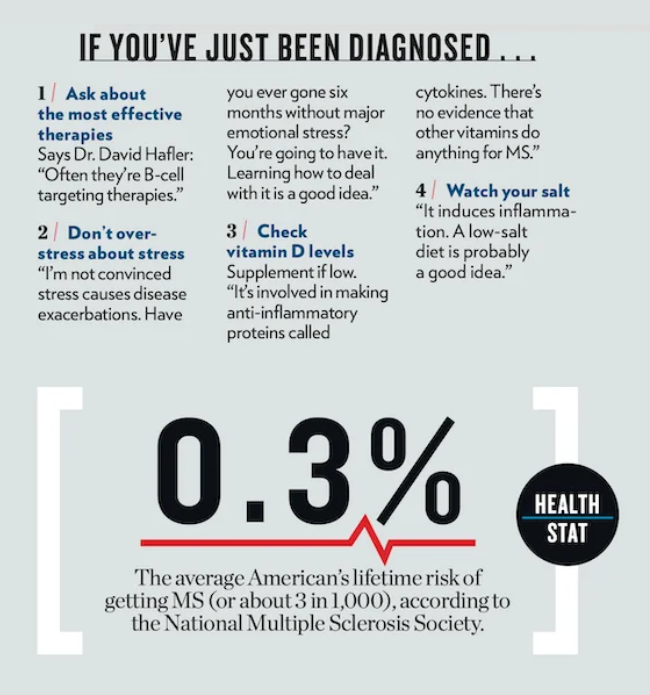
If you ask David A. Hafler, M.D., professor of neurobiology and immunology at Yale School of Medicine and a world- renowned expert on multiple sclerosis, something approaching a cure is already here. “Cure’ is a dramatic word,” he says, “but the B-cell depletion drugs that have been around for a decade are about 98 percent effective in stop- ping new flare-ups” in patients with the relapsing-remitting form of the disease-which is about 85 percent of patients at initial diagnosis. The other forms of MS-primary progressive, characterized by worsening from the start without a clear pattern of remissions; and secondary progressive, which some cases of RRMS can eventually turn into-do not respond as well to those medications. Luckily “there are other new drugs coming out for the progressive forms.”
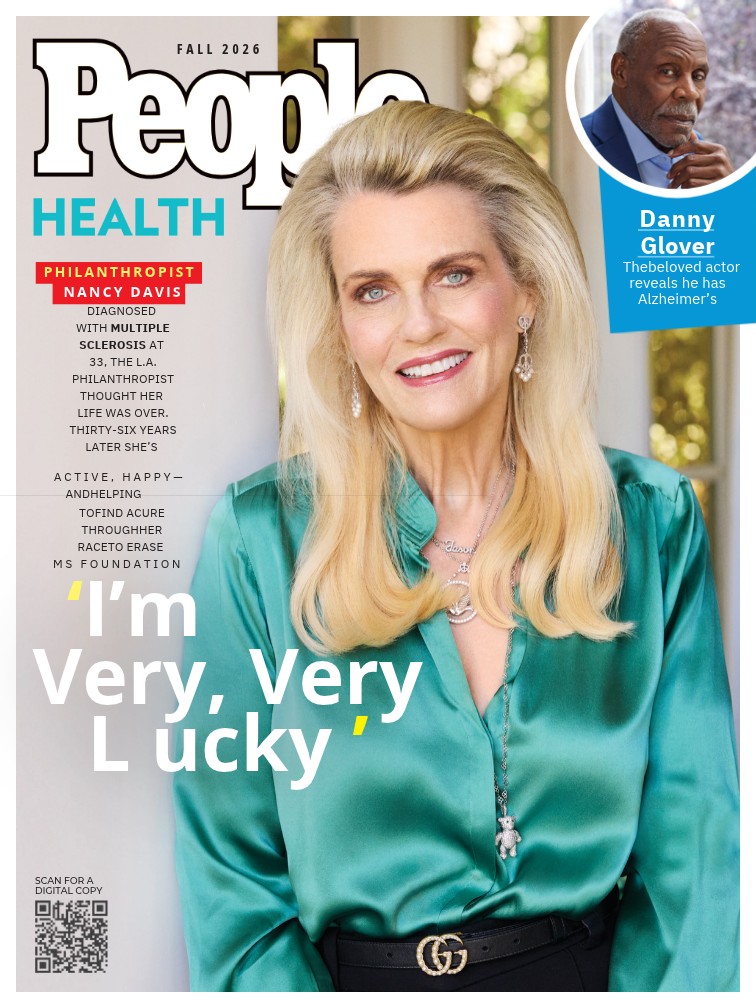
Originally featured in People Magazine’s Fall 2026 Health Issue, Nancy Davis graces the cover with her inspiring story of resilience, advocacy, and her unwavering commitment to finding a cure for multiple sclerosis. Read more celebrities stories here