
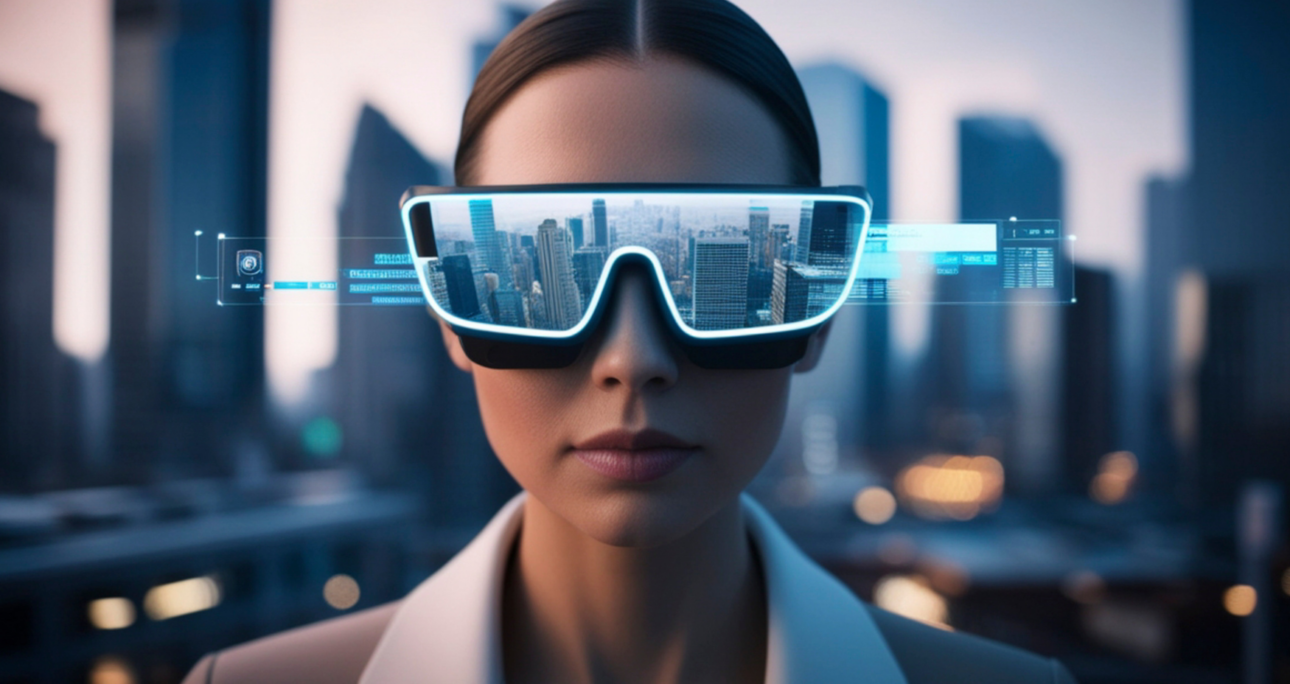
There is a tension that anyone who has tried to document a meaningful experience will recognize. The moment you reach for your phone, something shifts. The concert becomes something you are filming rather than attending. The view from the summit becomes a photograph rather than a thing you are standing inside. The meal, the conversation, the street you have never walked before: all of it acquires a slight remove the instant a screen comes between you and it. This is the live it or capture it dilemma, and it has followed photography from the film era through the smartphone era without ever being fully resolved. Smart glasses represent the most serious attempt at a solution the technology has produced so far, not by eliminating the choice but by making it possible to do both at the same time without either suffering for the other. The six ways below are where that resolution is showing up most clearly in real life.
They Capture What You Are Actually Looking At
The most fundamental difference between smart glasses and a phone camera is perspective. A phone captures what you point it at. Smart glasses capture what you are looking at, which sounds like the same thing until you consider how rarely those two things actually coincide during a meaningful experience. When you raise a phone to film a performance, you are looking at the screen. When you wear smart glasses at the same performance, you are looking at the stage, and the camera is recording exactly that. The footage that results from the two approaches is different in a way that goes beyond technical quality: one is a record of the fact that you were there, and the other is a record of what being there actually felt like. For anyone who has watched back phone footage from an experience they remember vividly and felt the gap between the two, the eye-level perspective of smart glasses produces something closer to what the memory holds.
They Remove the Social Friction of Visible Recording
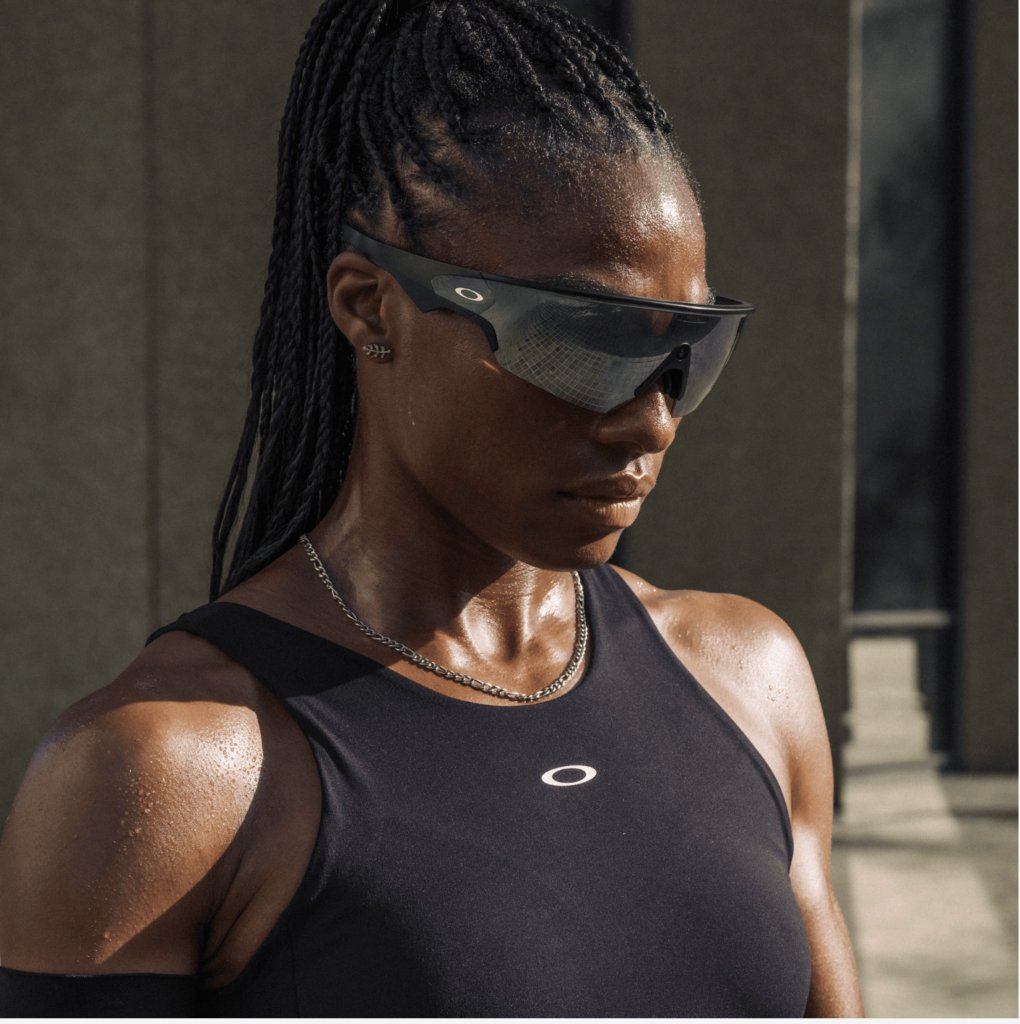
Pulling out a phone to record something changes the social dynamic of a room in ways that are difficult to fully account for until you have experienced the alternative. People adjust. They perform slightly, or they become self-conscious, or they ask you to put it away, or they simply change the way they are behaving in response to the visible presence of a camera. Smart glasses document the same moments without any of those signals. The camera is in the frame, running quietly, and the room behaves the way rooms behave when nobody thinks they are being recorded. That difference is not just aesthetic: it changes the content itself. The conversation that happens when nobody is aware of a camera is a different conversation from the one that happens in front of one, and for anyone whose content or memories depend on capturing genuine rather than performed moments, that distinction matters considerably. Among the current options in this space, Oakley Meta sunglasses approach this from an eyewear foundation, with frames that read as a considered pair of sunglasses rather than a recording device, which is what keeps the social dynamic of a room intact.
They Keep Your Hands Free for the Experience Itself
There is a physical dimension to the live it or capture it dilemma that tends to get less attention than the psychological one. A hand holding a phone is a hand that is not doing something else: not holding a child’s hand, not carrying a drink, not gesturing in a conversation, not climbing a rock, not doing any of the physical things that are actually part of the experience being documented. Smart glasses return both hands to the experience without removing the documentation. A parent at a school event can watch and clap and be present without choosing between those things and having a visual record. A hiker can use both hands on a technical section without stopping to film it from a safe vantage point. A traveler can move through a market with full physical engagement while the glasses capture what they are seeing. The experience and the documentation happen simultaneously rather than taking turns, which changes the character of both.
They Produce More Honest Footage Over Time
One of the less obvious consequences of phone-based documentation is that it selects for moments that look good rather than moments that are good. The decision to raise the phone is itself an editorial decision, and it is made in the moment based on what seems worth capturing rather than what is actually significant. Smart glasses, worn consistently across an experience, produce a record that includes the in-between moments, the transitions, the ordinary details that turn out to be the most evocative when you watch them back years later. The meal is not just the plated dish; it is the conversation that accompanied it. The trip is not just the landmarks; it is the taxi ride and the side street and the unexpected thing that happened on the way to somewhere else. Consistent capture through smart glasses over the course of a day or a trip produces a record that is richer and more honest than anything that could be assembled from deliberately chosen phone shots, precisely because no selection was being made in real time.
They Make Audio Part of the Record Without Separate Equipment
Visual documentation tends to dominate the conversation around capturing experiences, but audio is often what makes footage emotionally resonant when you watch it back. The ambient sound of a place, the voices of the people you were with, the music playing in the background of a moment you want to remember: these are the elements that make footage feel alive rather than flat, and they are also the elements most commonly lost when documentation happens through a phone held at arm’s length or propped against something at an awkward angle. Smart glasses with built-in microphones capture audio from the position of the wearer’s head, which means the sound recorded is the sound the wearer was hearing rather than a distant approximation of it. Combined with the eye-level visual perspective, this produces footage that recreates the sensory experience of a moment more accurately than almost any other documentation method available to a solo person without a production crew.
They Change the Relationship Between Experience and Memory
There is a body of research suggesting that the act of photographing something reduces how well it is remembered, because the brain partially outsources the work of encoding the memory to the camera. The phone does not just interrupt the experience: it may actually diminish the memory of it. Smart glasses complicate this finding in an interesting way, because the experience of wearing them is closer to simply being present than to actively photographing something. The wearer is not making the same cognitive decision to document at each moment, because the documentation is continuous rather than deliberate. Whether this produces better memory encoding than phone photography is an open question, but the anecdotal evidence from people who have worn smart glasses consistently across meaningful experiences tends to point in a clear direction: they remember more, and the footage they have is richer, and the two things together produce a relationship with the experience that feels more complete than what phone documentation typically leaves behind.
Conclusion
The live it or capture it dilemma has never had a perfect resolution, and smart glasses do not offer one either. What they offer is a significantly better approximation of doing both than anything that came before them. Eye-level capture, reduced social friction, hands-free documentation, honest continuous footage, integrated audio, and a less interruptive relationship with memory and experience: these are real improvements over phone-based documentation, and they add up to something that changes how a person moves through the experiences worth remembering. The choice between living and capturing has always felt like a false one, because both matter. Smart glasses are the first technology that makes it feel genuinely optional rather than structurally unavoidable.