Image editing used to mean hours hunched over Photoshop, wrestling with layers and masks and adjustment curves. Today, AI has completely rewritten that story. Image-to-image AI platforms can transform a photo into a polished piece of art, swap styles, change backgrounds, enhance details, or reimagine an entire scene — all in seconds. Whether you’re a content creator, graphic designer, marketer, or hobbyist, these tools are changing what’s possible without a professional editing background.
The market is crowded, though, and not every platform delivers on its promises. To save you the trial-and-error, here are the seven best image-to-image AI platforms for fast, high-quality editing right now.
1. Pollo AI
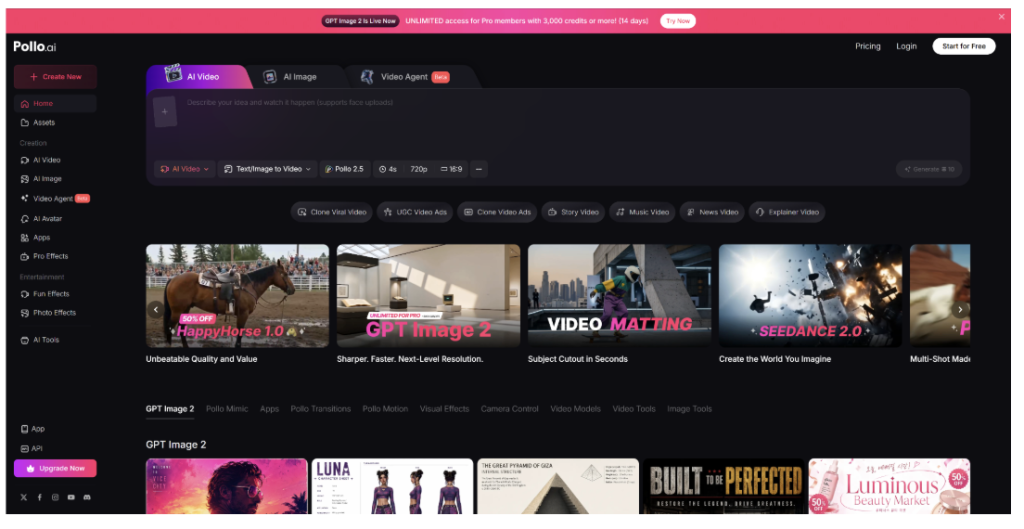
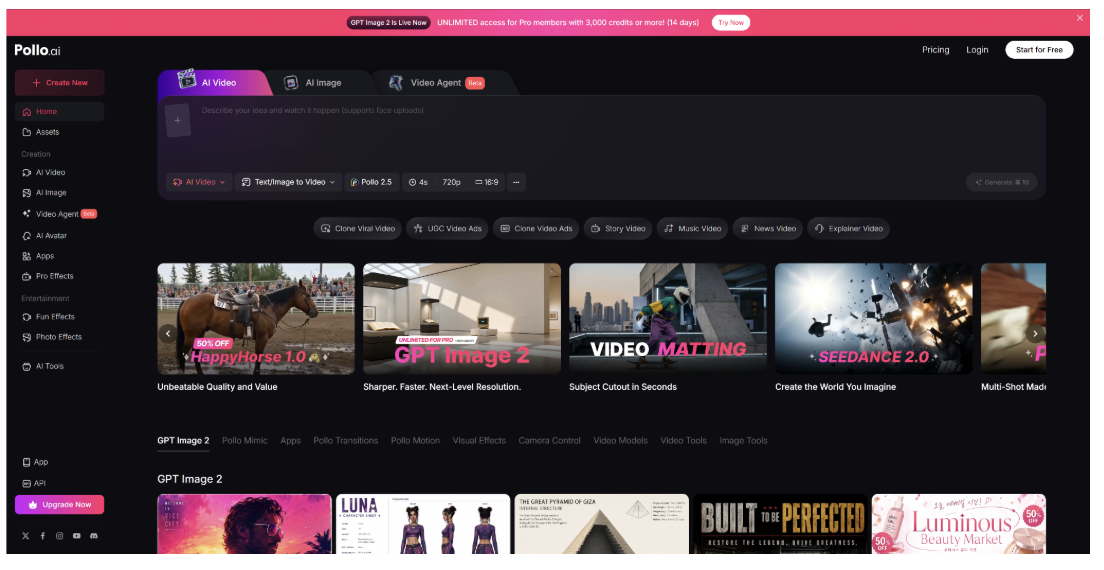
Pollo AI is one of the most versatile and accessible AI creative platforms available today, making it the top pick for anyone who wants powerful image to image editing without a steep learning curve. The platform brings together a comprehensive suite of AI tools — including image-to-image transformation, text-to-image generation, and AI video creation — all under one clean, intuitive interface.
What makes Pollo AI stand out is the sheer range of creative control it offers. Users can upload a reference image and use text prompts to guide the transformation, adjusting style, mood, color palette, and composition with impressive precision. The results are consistently high quality, with outputs that feel intentional and polished rather than randomly generated. The platform supports a wide variety of artistic styles, from photorealistic rendering to anime, illustration, and painterly aesthetics.
Pollo AI also aggregates access to some of the most powerful AI models available, meaning you’re not locked into a single generation engine. For creators who want a one-stop shop for fast, professional-grade AI editing, Pollo AI is the clear first choice.
2. Remaker AI
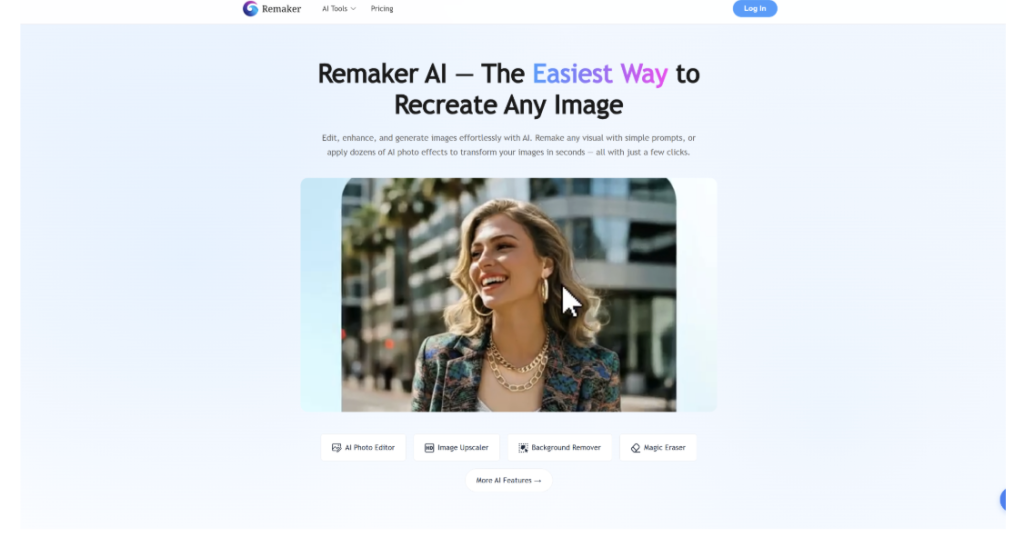
Remaker AI has built a strong reputation specifically around face-focused image-to-image editing, and it delivers on that promise with impressive precision. The platform’s face swap technology is among the most accurate in the category, allowing users to seamlessly replace faces in photos while preserving natural lighting, skin tone, and expression. Beyond face swapping, Remaker AI offers a broader suite of image editing tools including AI photo enhancement, background replacement, and style transformation.
The interface is clean and straightforward, designed to get users from upload to output as quickly as possible without unnecessary complexity. Remaker AI is particularly popular among content creators, social media managers, and anyone working in e-commerce who needs to produce polished visual content at speed. The platform supports batch processing, which is a significant advantage for professionals handling high volumes of images. Free access is available with usage limits, and paid plans unlock faster processing and higher resolution exports.
3. Stable Diffusion
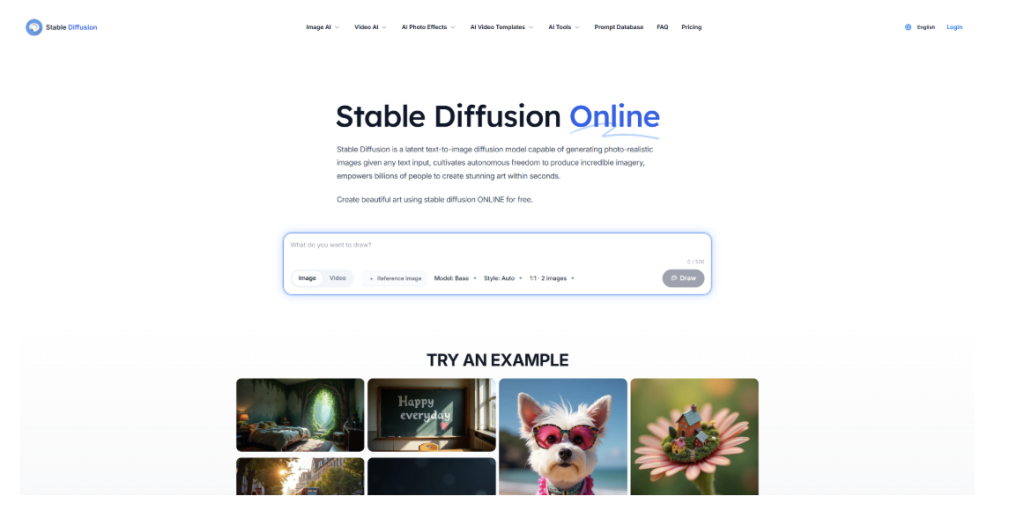
Stable Diffusion is the gold standard for open-source image-to-image AI, and for users who want maximum control and zero creative restrictions, nothing else comes close. Through interfaces like Automatic1111 and ComfyUI, users can run Stable Diffusion locally or via cloud services, accessing the full power of the model with granular control over every parameter.
The image-to-image pipeline in Stable Diffusion allows users to upload a reference image and use a combination of prompt guidance and denoising strength to control how much the AI transforms the original. A low denoising value keeps the output close to the source; a high value gives the AI more creative freedom to reimagine the scene entirely. This level of control is unmatched in the consumer AI space and makes Stable Diffusion the preferred tool for power users, developers, and professionals who need precise, reproducible results. The trade-off is a steeper setup process compared to web-based platforms.
4. Adobe Firefly
Adobe Firefly brings enterprise-grade AI image editing to one of the most trusted names in creative software. Integrated directly into Adobe’s ecosystem — including Photoshop and Express — Firefly makes image-to-image transformation feel like a natural extension of an existing professional workflow rather than a separate tool you have to learn from scratch.
The Generative Fill feature is the crown jewel of Firefly’s image-to-image capabilities. Users select any area of an image and describe what they want to replace or add, and the AI fills the selection with contextually appropriate, photorealistic content that blends seamlessly with the surrounding image. Style reference features also allow users to upload an image and apply its aesthetic to new generations. For professionals already working within Adobe’s suite, Firefly is the most seamlessly integrated AI editing solution available.
5. Midjourney
Midjourney has built one of the most devoted user bases in the AI image space, and its image-to-image capabilities are a significant reason why. While it began as a text-to-image tool, Midjourney’s image prompting and style reference features have made it a genuinely powerful option for image-to-image transformation as well.
Using the platform’s image prompt feature, users can upload a reference image alongside a text prompt to guide the generation. The AI uses the visual information from the uploaded image to influence composition, color, and mood while applying the stylistic direction from the text prompt. The results carry Midjourney’s signature aesthetic — rich, detailed, and cinematic — which makes it particularly popular among concept artists, game designers, and creative directors. Access is through Discord or the web app, and the quality of outputs at higher subscription tiers is genuinely exceptional.
6. Runway ML
Runway ML has positioned itself as the creative professional’s AI platform, and its image-to-image tools reflect that ambition. The platform offers a range of transformation features including style transfer, image variation generation, and inpainting — all wrapped in an interface that feels built for serious creative work rather than casual experimentation.
What sets Runway apart is its broader ecosystem. The platform is equally strong in AI video generation, which means creators who work across both still and moving image formats can keep their entire workflow in one place. The image-to-image tools specifically benefit from Runway’s investment in model quality, producing outputs with strong detail retention and coherent style application. It’s a platform that rewards users who take the time to explore its full feature set, and it’s particularly well-suited to creative agencies, filmmakers, and multimedia artists who need professional-grade results consistently.
7. Canva AI
Canva has long been the go-to platform for non-designers who need professional-looking visual content fast, and its AI-powered Magic Edit feature extends that accessibility into the image-to-image editing space. Magic Edit allows users to select any part of an uploaded image, describe what they want to change, and let the AI handle the transformation — all within Canva’s familiar drag-and-drop environment.
The results are solid for general use cases — swapping backgrounds, changing clothing colors, adding or removing objects, and adjusting scene elements — though the outputs don’t quite match the raw quality ceiling of dedicated AI image platforms like Pollo AI or Midjourney. What Canva trades in technical depth, it more than makes up for in convenience. The integration with Canva’s broader design tools means you can edit an image with AI and then immediately drop it into a social media post, presentation, or marketing asset without switching platforms. For marketers, small business owners, and content creators who prioritize speed and simplicity, Canva AI is an excellent practical choice.
Final Thoughts
The image-to-image AI space is moving fast, and the tools listed here represent the best of what’s available right now across different use cases and skill levels. If you want the most well-rounded starting point with broad tool access and proven reliability, Pollo AI is the place to begin. If artistic style transfer is your focus, DeepDream Generator delivers a distinctive and time-tested experience. And if you need raw power and total control, Stable Diffusion remains the benchmark for serious users.
The best tool is ultimately the one that fits your workflow — so try a few, compare the outputs, and let the results speak for themselves.