

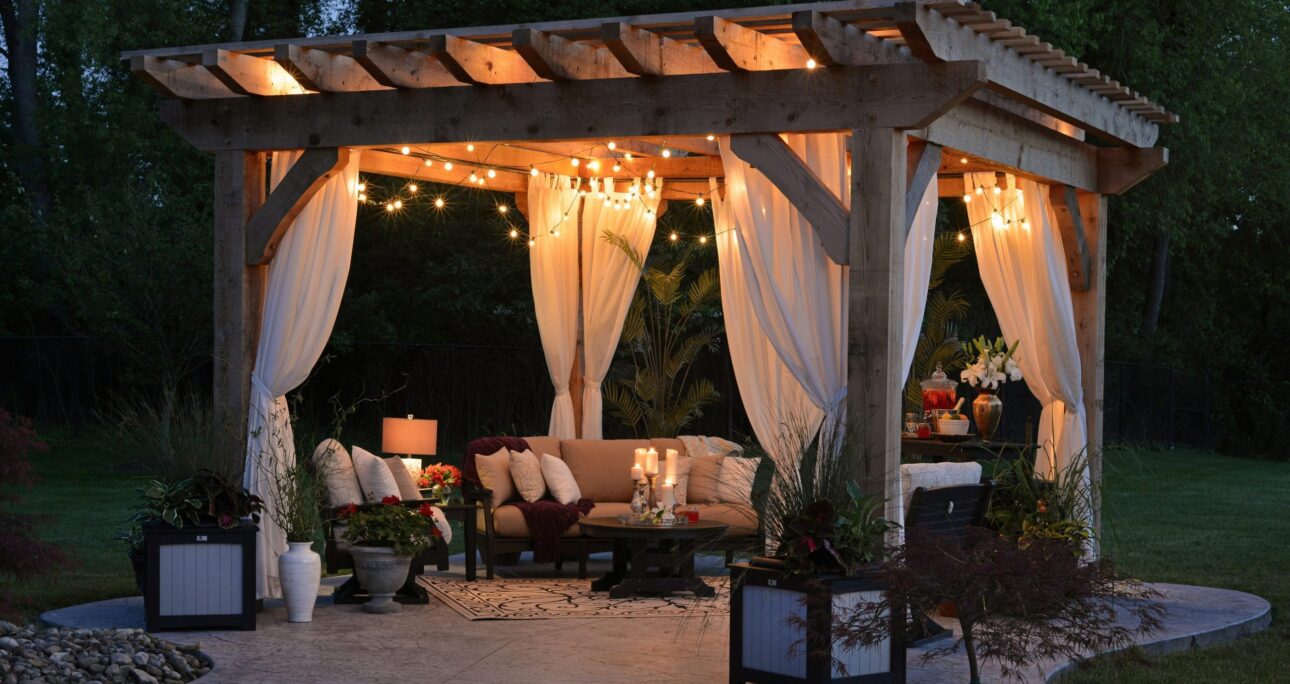
Elevating Outdoor Living: The Strategic Guide to High-End Shade Solutions
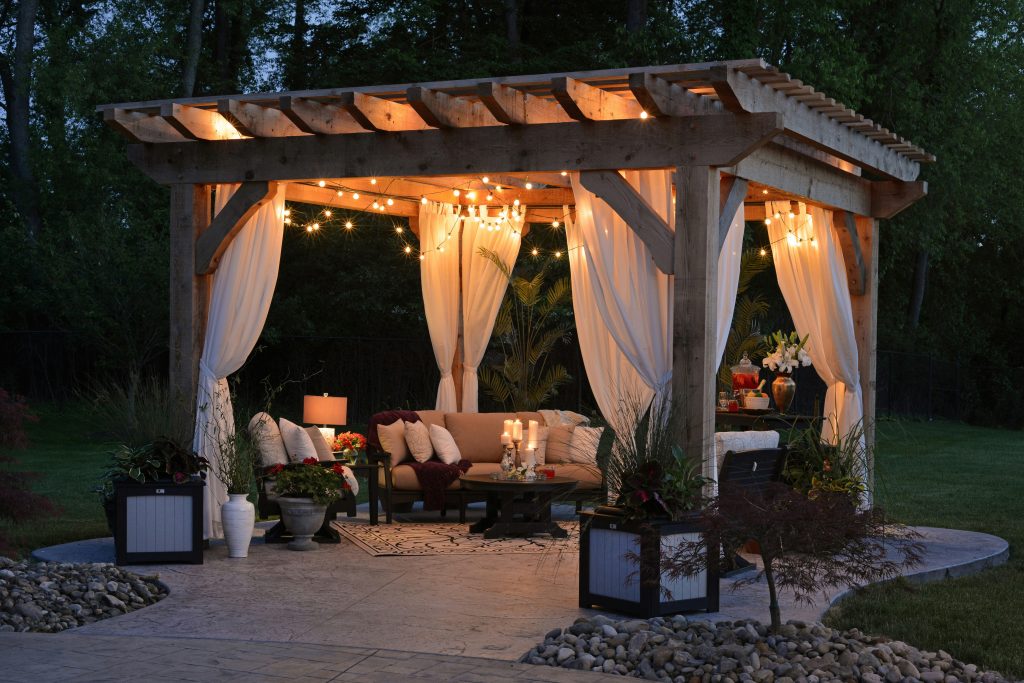
Creating a functional outdoor sanctuary requires more than just a few chairs and a grill; it demands a thoughtful approach to climate control and architectural integration. As homeowners increasingly view their backyards as true extensions of their interior living space, the demand for sophisticated overhead protection has surged. A well-designed overhead feature does more than provide relief from the sun; it defines the “room” outdoors and protects expensive patio furniture from UV degradation. The primary hook for a modern backyard transformation is shifting the focus from simple coverage to architectural synergy—ensuring the structure looks like an original part of the home rather than an afterthought.
Selecting the Right Material for Longevity
When choosing the skeleton of your outdoor retreat, the debate usually centers on wood versus aluminum. Wood offers an organic warmth and a high-end, heavy-timber aesthetic that synthetic materials struggle to replicate. Expert carpenters often recommend Western Red Cedar or treated Douglas Fir because these species contain natural oils that resist rot and insect infestation. However, the “why” behind choosing a wood shade structure over metal involves a trade-off: while wood provides a timeless, premium feel, it does require periodic staining or sealing every three to five years to maintain its structural integrity and rich color against the elements.
Tailoring Light Control to Your Lifestyle
Standard pergolas offer a fixed amount of shade, but many modern homeowners require more flexibility for different times of day. This is where personalized fabric or louvered additions come into play. Design consultants suggest that incorporating custom patio shades allows for a “retractable” lifestyle, giving you the ability to block the low-hanging afternoon sun without losing the breeze. The pro of this approach is total environmental control, while the potential con is the increased mechanical complexity. By choosing high-quality, weather-resistant textiles, you can ensure that these additions don’t sag or fade after a single season of intense exposure.
Architectural Integration and Home Value
A shade feature should never look like a kit purchased from a big-box store and bolted onto the siding. Professional architects emphasize that the most successful installations mimic the roofline, trim colors, and material palette of the existing residence. For instance, matching the stain of your overhead beams to your front door or window casings creates a sense of intentionality. While a custom-built unit has a higher upfront cost than a DIY kit, the return on investment is significantly higher because it is appraised as a permanent structural improvement rather than a temporary fixture.
Navigating the Decision-Making Process
Deciding between a solid roof pavilion and an open-slat pergola depends largely on how you intend to use the space during inclement weather. A solid roof allows for outdoor television setups and upholstered sofas that stay dry during a drizzle, but it can make the adjacent interior rooms of your house feel darker by blocking natural light. Landscape architects often advise clients to track the sun’s path for a full day before committing to a footprint. If your goal is primarily evening entertaining, an open structure with integrated lighting might be more appropriate than a heavy, solid-roofed building that requires significant gutter work and drainage planning.
Final Considerations for Your Investment
Investing in a professional-grade shade solution is a move that pays dividends in both daily comfort and long-term property appeal. By moving away from generic umbrellas or temporary gazebos, you create a dedicated zone for relaxation that withstands heavy winds and intense heat. While the planning phase requires careful attention to local building codes and material sourcing, the result is a durable, beautiful environment. Ultimately, the best choice is one that balances the tactile beauty of natural materials with the functional necessity of modern, adjustable shade components to create a space that is usable three hundred days a year.