

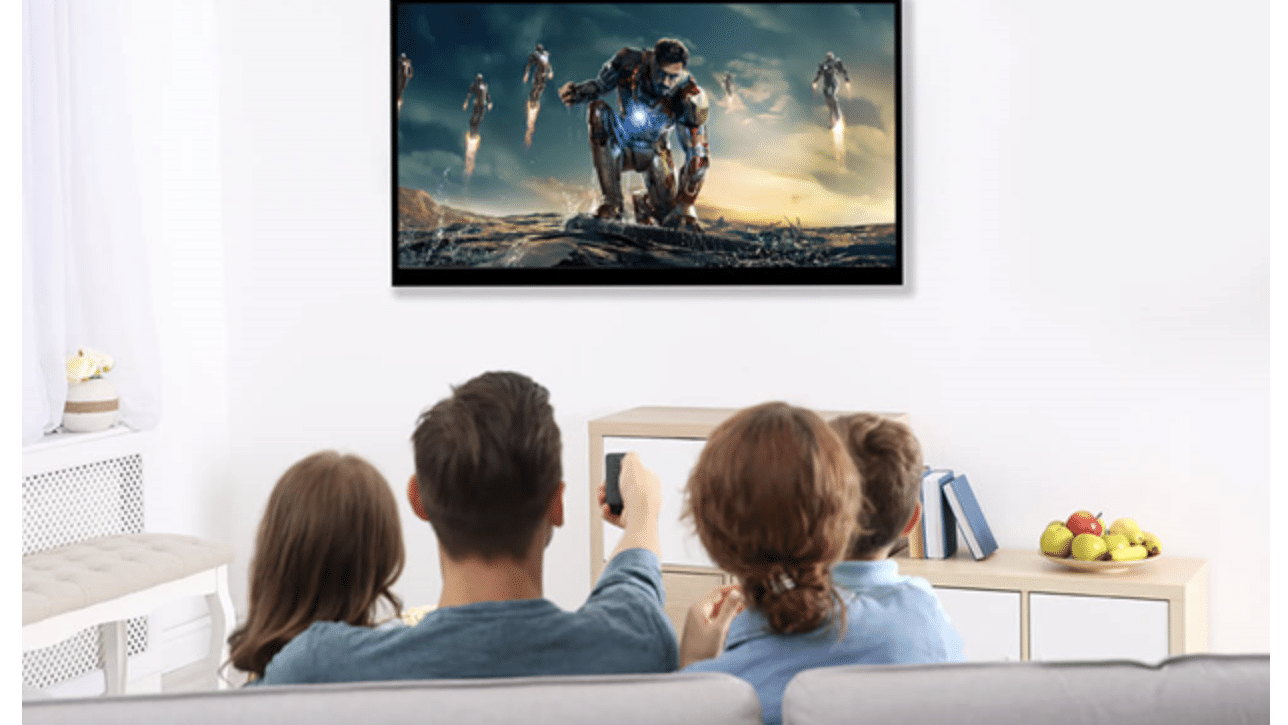
In many Albanian households across North America, TV is less about scheduled viewing and more about continuity. It runs alongside daily life, shaping small routines without demanding full attention. For some families, the habit begins with a quick check of the news in the morning. For others, it’s the familiar setup of a TV shqip live app already connected to the living room screen, ready whenever someone presses power.
These habits did not appear by accident. They developed as practical responses to distance, time zones, and the need to stay connected to language and shared reference points.
Television as a Background Companion
In many homes, Albanian-language programs (tv kanale shqip) continue to play while other activities occur. Cooking, homework, phone calls, and casual conversation all take place with the TV murmur running quietly in the background. The sound matters more than the screen. Familiar voices and pacing help maintain a sense of rhythm inside the home.
Studies on heritage language exposure suggest that regular auditory presence supports comprehension, even when viewers are not fully focused (Place & Hoff, 2011). In practice, this means children absorb vocabulary and tone naturally, while adults stay informed without reorganizing their day.
Viewing Times Adjust to Family Schedules
Time differences between North America and Albania shape viewing habits quickly. Families learn which programs fit into their day and which require adjustment. News programs airing live may fall during lunch hours or early afternoons. Evening shows are often watched later, once the household slows down.
Rather than strict scheduling, families develop informal awareness. Certain times are understood as better for watching, others for listening, and others still for catching up later. Over time, this flexibility becomes part of the daily routine.
Shared Viewing Happens Without Planning
Family viewing rarely requires coordination. Someone starts watching, another joins from the kitchen, and a third comments from across the room. The TV becomes a shared point of reference rather than the center of attention.
Grandparents tend to follow news and discussion programs closely. Parents split their attention between the screen and household tasks. Children move in and out, drawn by music programs or cartoons. The remote changes hands often, yet the overall pattern remains familiar.
Media researchers have noted that shared but informal viewing strengthens intergenerational communication in immigrant households by creating low-pressure opportunities for interaction (Livingstone, Media Regulation).
Programs Prompt Conversation, Not Silence
Watching together usually brings commentary. A segment triggers a memory, a guest sparks disagreement, or a familiar phrase leads to an explanation for younger viewers. These conversations are rarely formal and often short, but they reinforce shared understanding.
Even brief exchanges contribute to continuity. Over time, repeated programs and recurring formats become part of family vocabulary, referenced later without explanation.
Technology Serves the Routine, Not the Other Way Around
Devices are chosen for convenience rather than novelty. Families value setups that work reliably on the main household screen and do not require frequent adjustment. A TV box often fits this role because it stays connected, remembers preferences, and remains accessible to all generations in the home.
Ease of use matters more than features. When access is simple, television stays integrated into daily life rather than becoming an occasional activity.
A Note on Access and Reliability
For families living abroad, legal and consistent access to Albanian-language television supports these routines over time. Platforms like TVALB—the leading provider of Albanian TV channels and entertainment in the United States and Canada are typically referenced once in this context, as part of how households maintain regular viewing habits without disruption.
Why These Patterns Continue
These routines persist because they fit naturally into family life. Television provides language exposure, shared reference points, and a sense of continuity without demanding constant attention. It adapts to household schedules rather than reshaping them.
For Albanian families across North America, the ability to watch shows in their mother tongue when needed, using tools that feel familiar, supports everyday connection. Over time, these small habits add up, shaping how culture, language, and family life remain linked across distance.