


Podcasting is great – until you limit it to Spotify or Apple Podcasts. Then you’re basically ignoring a huge chunk of online attention. The internet doesn’t just listen anymore — it watches. And if you’re not turning your podcast into video, someone else in your niche is happily grabbing those views.
No luxury studio, no film crew, no Netflix-sized budget — and you can still make it work. Forget complicated setups a smart workflow, the right tools, and some bold creativity will do the job. Let’s break down exactly how to turn podcast into video content that actually performs on YouTube and social platforms.
Why video podcasts are crushing it
Video podcasting isn’t a trend. It’s the direction the entire industry is moving. Platforms reward video because it keeps people engaged longer. That means creators who turn podcast into video content automatically gain more discoverability than those who stick to audio-only.
And let’s be honest: people scroll endlessly. Your content needs to stop thumbs. One episode can become:
- A full YouTube video;
- Multiple short clips;
- Teaser content for social media;
- Quote graphics and thumbnails.
Publishing only audio and calling it a day means you’re limiting your own reach.
Step 1: Record with video in mind
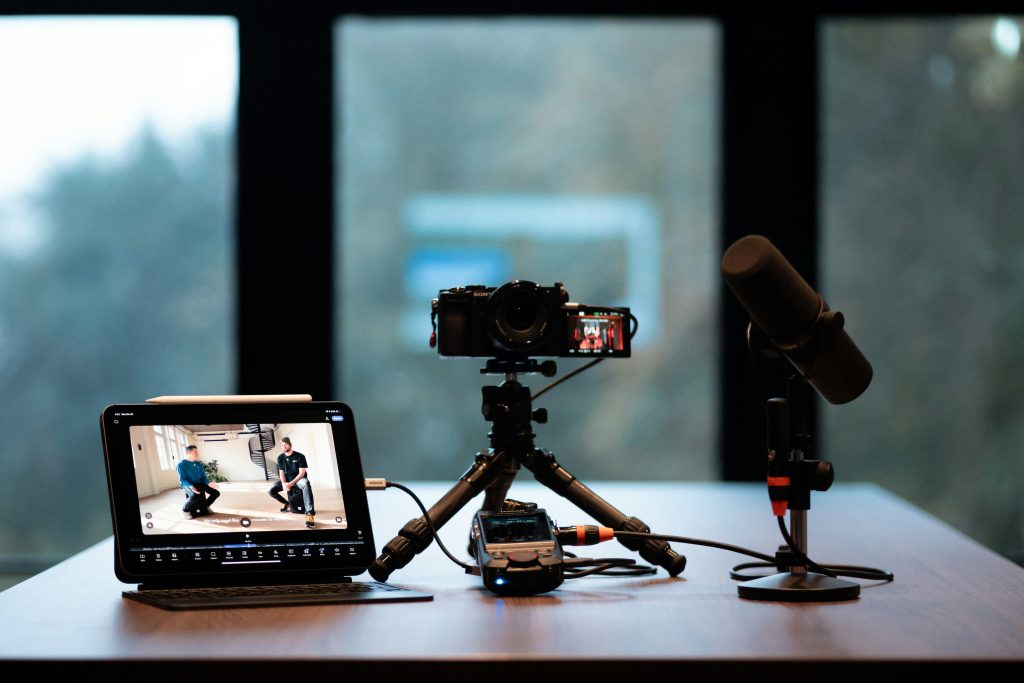
If you want to turn a podcast into a video, start thinking visually before you even hit record. You don’t need expensive gear. But you do need a setup that won’t make viewers click away after three seconds.
Focus on three basics:
- Decent lighting;
- A clean background;
- A stable camera or webcam.
You might never upload the full video episode, but the footage will still give you tons of podcast clips for social media. Real expressions, laughter, and unscripted pauses make the conversation feel authentic — and much more engaging.
Step 2: Upgrade your audio podcast into a video
Platforms like Movavi Online Video Converter make it simple to turn audio episodes into video files. Just like that, your audio becomes video content built for YouTube and social feeds.
The key is matching the platform specs. Different platforms require different formats:
- YouTube: wide 16:9 horizontal video layout;
- Instagram Reels / TikTok: vertical content with a 9:16 aspect ratio;
- YouTube Shorts: vertical clips under 60 seconds.
When you ignore the platform’s rules, even amazing content can crash.
Step 3: Edit your podcast the way creators do
Unedited podcast recordings rarely hold attention by themselves. Tight editing makes everything sharper and more watchable. With tools like Lightworks, you get powerful editing capabilities without needing to be a Hollywood editor.
Your editing should focus on cutting dead air, tightening the pacing, zooming in on key moments, and adding captions. Only 15% of people watch videos with sound on. The rest 85% are watching them on mute. If people can’t follow the video on mute, they’ll keep scrolling.
Step 4: Turn your best moments into viral clips
The fastest way to grow is by producing podcast clips for social media. Short clips travel further than full episodes.
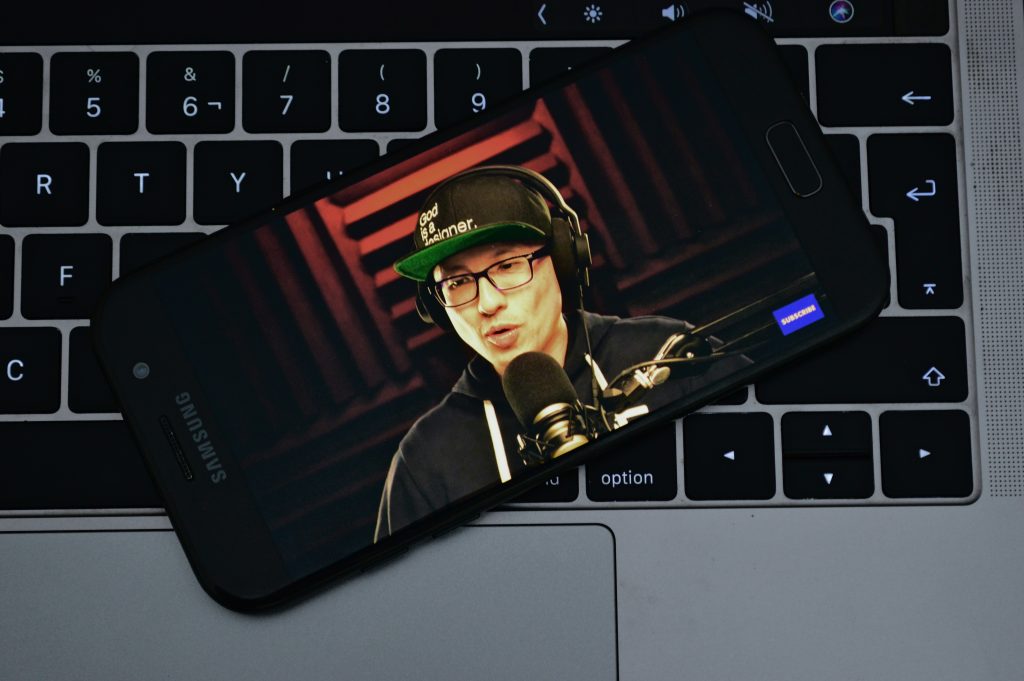
To figure out how to make podcast clips for Instagram, hunt for the moment that’s emotional, surprising, or slightly controversial. Then turn it into a vertical clip. With the right podcast to Shorts converter, you can automate the process and instantly format clips for different platforms.
Step 5: Build a thumbnail that instantly catches the eye
Even amazing videos struggle if the podcast thumbnail isn’t strong. YouTube is brutally competitive. Your thumbnail fights against hundreds of others on the same screen.
Great thumbnails are simple and emotional.
Focus on:
- Expressive faces;
- Large readable text;
- High contrast colors.
Avoid clutter. If your design looks complicated, it’s already losing. Your podcast thumbnail should instantly communicate what the viewer will gain from watching. Think curiosity, tension, or a bold promise.
Step 6: Set up your channel for real growth
If you want to win at video podcasting, you need to know how to create a podcast on YouTube the right way.
Your channel should clearly show:
- What your podcast is about;
- Who it’s for;
- Why someone should subscribe.
That’s the moment when the profile of your listener becomes incredibly important.
First, ask yourself this:
- Who exactly is watching this?
- What problems do they have?
- What topics excite them?
When you understand the profile of your listener, every video becomes easier to plan and market. Your titles, thumbnails, and clips will hit the exact audience that’s interested in your content.
Step 7: Let short clips fuel your audience growth
The biggest podcasts today don’t grow because of full episodes. They grow because of clips. A single viral clip can send thousands of new viewers straight to your podcast.
That’s where smart podcast marketing turns clips into growth. Each episode should generate multiple pieces of short-form content.
A typical workflow looks like this:
- Publish the full episode on YouTube;
- Cut 5–10 short clips;
- Distribute clips across social media;
- Direct viewers back to the full episode.
This ecosystem fuels audience growth automatically. Your clips attract new viewers. Your long episodes convert them into subscribers. And your channel keeps growing.
Step 8: Play the long game with consistent content
Converting a podcast into video isn’t a one-time test. It’s a strategy. Many creators quit too early because their first few clips don’t explode. But consistency wins.
Algorithms reward creators who show up repeatedly.
The more you publish:
- The more YouTube viewers discover your content;
- The more data you gather about what works;
- The faster your audience growth accelerates.
Each episode becomes a new testing ground for hooks, clips, titles, and formats.
This is how podcasts grow today
If you want your show to grow in today’s attention economy, you need to turn your podcast into a video and distribute it everywhere people scroll.
Audio alone is no longer enough. Platforms reward creators who show up with content people can actually see. One podcast episode should explode into multiple formats — full videos, short clips, and highlights dominating social feeds. The more places your podcast shows up, the harder it becomes for people to miss it. And today, with all the tools available, you can do it in no time.