

The Convenience of Using an eSIM for International Travel
The days of fumbling with tiny plastic SIM cards at airport kiosks are fading into memory. A new standard in mobile connectivity has arrived, one that exists entirely within the structure of a smartphone. This technology, known as an embedded SIM or eSIM, is changing how people stay connected when they cross borders.
For the modern traveler, an eSIM for international travel represents a shift from physical logistics to digital ease. It eliminates the need to search for a local carrier upon arrival in a new country. Instead, connectivity can be arranged before departure, with a few simple taps on a screen.
A Shift from Physical to Digital
The core advantage of an eSIM lies in its purely digital nature. Unlike a traditional SIM card, which is a physical piece of plastic that must be inserted into a device, an eSIM is built directly into the phone’s hardware. This small but significant change removes the risk of losing or damaging a physical card during a trip.
Travelers no longer need to carry a tiny pin to eject the SIM tray or worry about storing their home SIM in a safe place. The process becomes a software-based action. It allows a person to download a mobile plan directly to their device from anywhere with an internet connection.
Instant Activation Before Departure
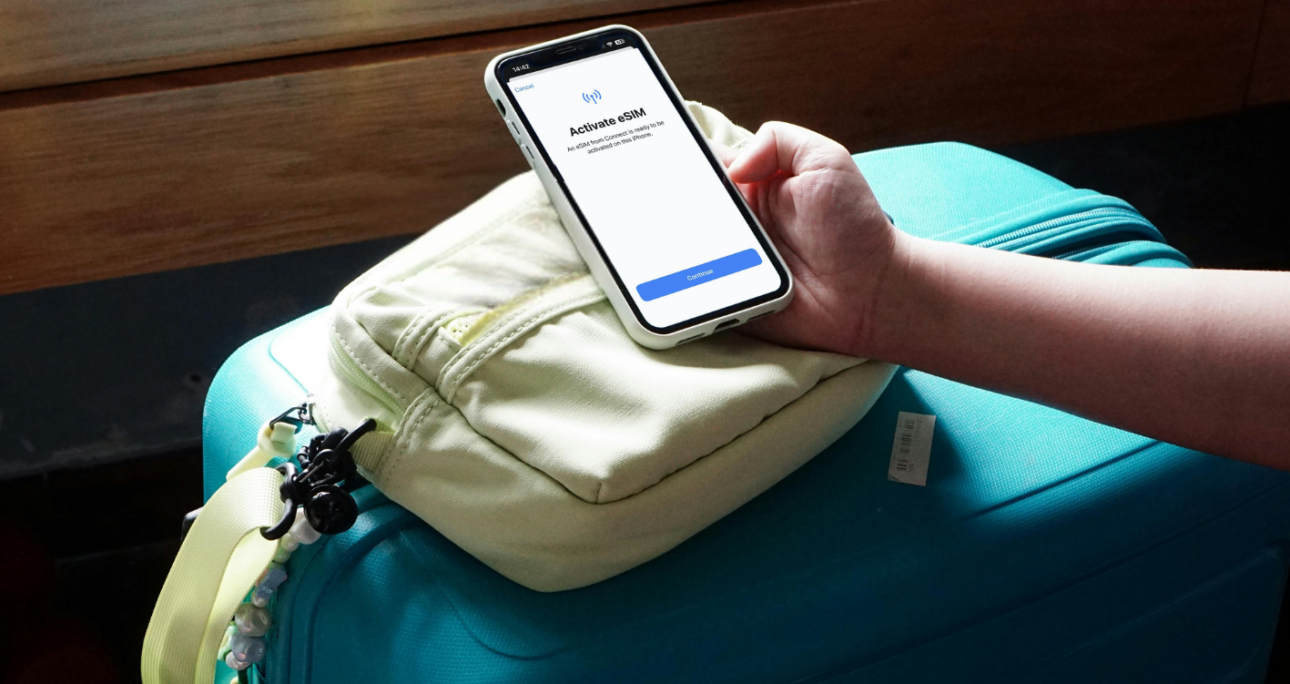
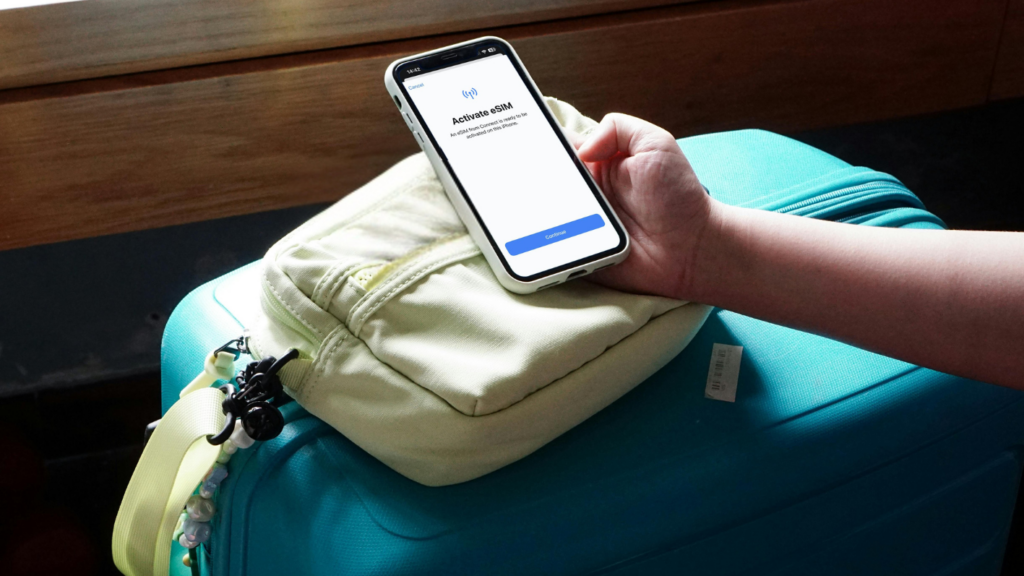
One of the greatest conveniences for a traveler is the ability to set up connectivity before the journey even begins. A person can purchase an eSIM data plan from a provider’s website or app while still at home, sitting on their own couch. The plan is delivered as a QR code or through a direct app installation.
The phone’s settings can recognize and activate. This preparation means that the moment the plane lands, the device is ready to connect to a local network. There is no rush to find a store, no waiting in line, and no language barriers to navigate for a simple data connection.
Seamless Switching Between Networks
Travel itineraries often involve multiple countries, which used to mean multiple SIM cards. With an eSIM, a traveler can store several profiles on a single device and switch between them with ease. For instance, a trip that begins in France, moves to Switzerland, and ends in Italy can be covered by one regional plan or by separate profiles for each country.
The phone’s settings allow for a quick change from one profile to another without ever opening the SIM tray. This flexibility keeps a person connected seamlessly as they move from one border to the next. They do not face any disruption in service.
Cost Control and Local Rates
Using an eSIM provides a clear path to avoiding the high costs of international roaming plans from a home carrier. Instead of paying daily fees that add up quickly, a traveler can purchase a local or regional data package at a fraction of the cost. These packages are often tailored to specific trip lengths, such as 7 days or 30 days, with clear data limits and transparent pricing. There are no surprise charges on a monthly bill at the end of the trip.
Dual SIM Functionality for Convenience
Modern smartphones with eSIM capability often support dual SIM functionality, meaning a physical SIM and an can be active at the same time. This feature offers a practical solution for staying reachable on a primary phone number while using a local data plan. A traveler can keep their home number active for calls and texts, such as for banking verification codes or family contact, without incurring roaming data charges. Meanwhile, the eSIM provides the high-speed data needed for maps, ride-sharing apps, and restaurant searches.
A Practical Option
Beyond the direct user experience, the eSIM offers benefits that appeal to a sense of practicality and environmental consciousness. It eliminates the need for plastic SIM cards, their packaging, and the waste associated with single-use plastics. For frequent travelers, it also removes the clutter of collecting and storing old SIM cards from past trips.
The technology simplifies the entire process into a digital transaction. It aligns with a preference for minimalism and efficiency. It represents a small but meaningful step toward reducing the physical footprint of global travel.
The transition to eSIM technology marks a significant improvement in how international travelers manage their mobile connectivity. It replaces the physical hassles of traditional SIM cards with a system that is digital, flexible, and easy to control. As more devices support this technology, it is quickly becoming the standard for staying connected abroad. For the modern traveler, the eSIM is not just a new option, but a genuinely more convenient way to explore the world.