

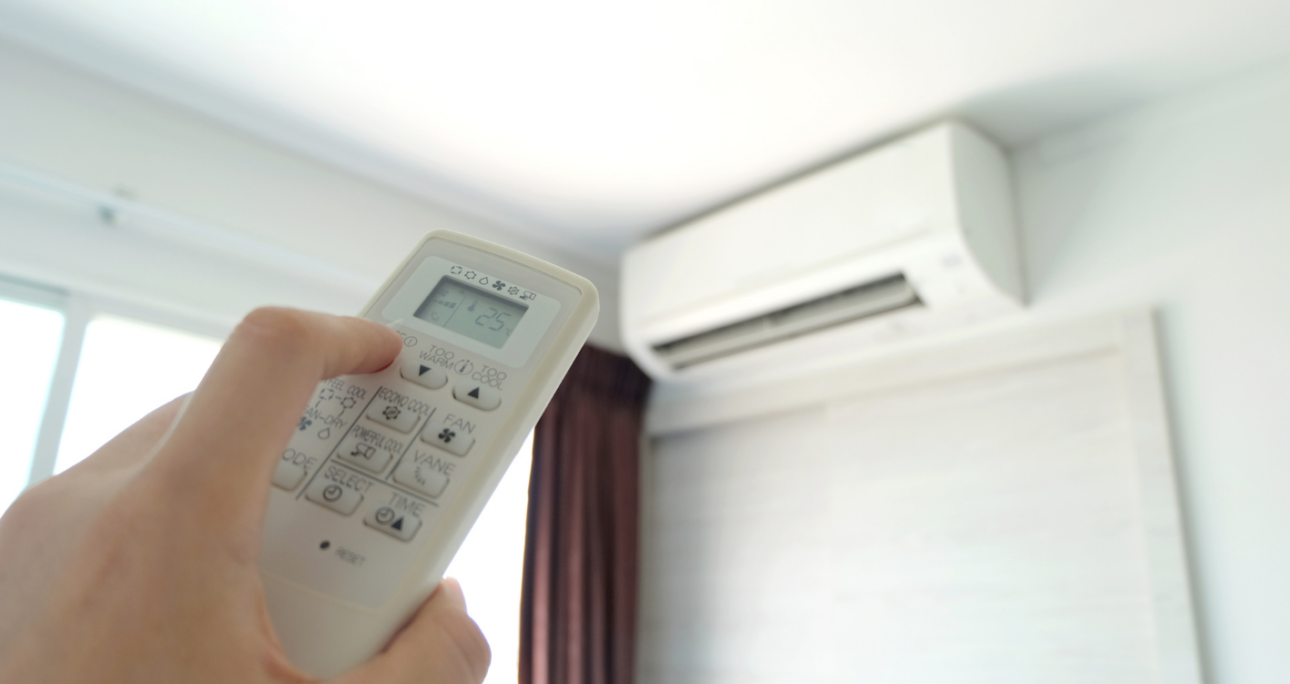
People expect a cooled room to feel comfortable once the thermostat reaches the set point. In humid climates, that expectation often fails in quiet ways. The system cycles normally, and the temperature reading looks correct, yet the air still feels heavy. Nothing seems obviously broken. The space just never reaches the kind of comfort people expect.
It starts with small adjustments. The thermostat gets lowered a degree or two. Then it gets lowered again a few days later. The system runs longer, but the difference in comfort stays modest. The house cools on paper while the air continues to feel thick.
Humidity often sets the real limit.
Cooling Slows When Air Starts Wet
Air conditioners remove moisture as part of normal operation. With high humidity, more time goes into drying the air before cooling becomes noticeable. The equipment runs longer without producing the expected relief.
The pattern becomes noticeable during warmer parts of the day. Air from the vents feels cool. However, the room never quite settles. The temperature reading drops at a steady pace.
The air still feels damp.
Lower thermostat settings rarely change much. The system just stays on longer.
Certain Rooms Show the Problem First
Moisture does not spread evenly through a house. Some rooms hold humidity longer. This is especially true in areas with weaker circulation. Those rooms begin to feel uncomfortable even while the rest of the house seems acceptable.
Bedrooms near the ends of duct runs often show the difference first. Upper floors follow during extended warm periods. The main living area may remain comfortable at the same time.
Moving from one room to another makes the contrast easier to notice. One space feels normal enough. Another feels warmer than expected.
The effective cooling area becomes smaller.
Airflow Creates Short-Term Relief
Fans improve comfort for a while by moving air across the skin. Evaporation increases and the cooling effect feels immediate. The improvement depends on constant movement.
Once the air stops moving, the heavy feeling returns. The moisture has not gone anywhere.
People sometimes respond by adding more fans. Circulation spreads cooled air but does not remove humidity.
Mechanical cooling still has to handle that part.
Moisture Sources Stay Overlooked
Indoor humidity builds from everyday activity. Cooking and laundry both release moisture that can stay suspended for hours. These sources rarely attract attention.
Heating equipment can add more. Running a propane heater introduces water vapor into the air, which may linger long after the heat is turned off.
Cooling systems must remove that extra moisture before comfort improves again.
The connection often goes unnoticed.
Cooling Has Real Boundaries
Every cooling system operates within a humidity range where it performs best. Once moisture rises past that range, comfort improves more slowly. It happens even if the equipment runs continuously. The temperature still reaches the setting.
The room never quite feels stable.
Some days feel cooler at the same thermostat setting simply because humidity drops. The equipment has not changed.
Humidity defines how large a space can feel effectively cooled. Temperature alone does not decide it.
Also read: Creating a Home That Feels Collected, Warm, and Intentional With This Luxury Brand