

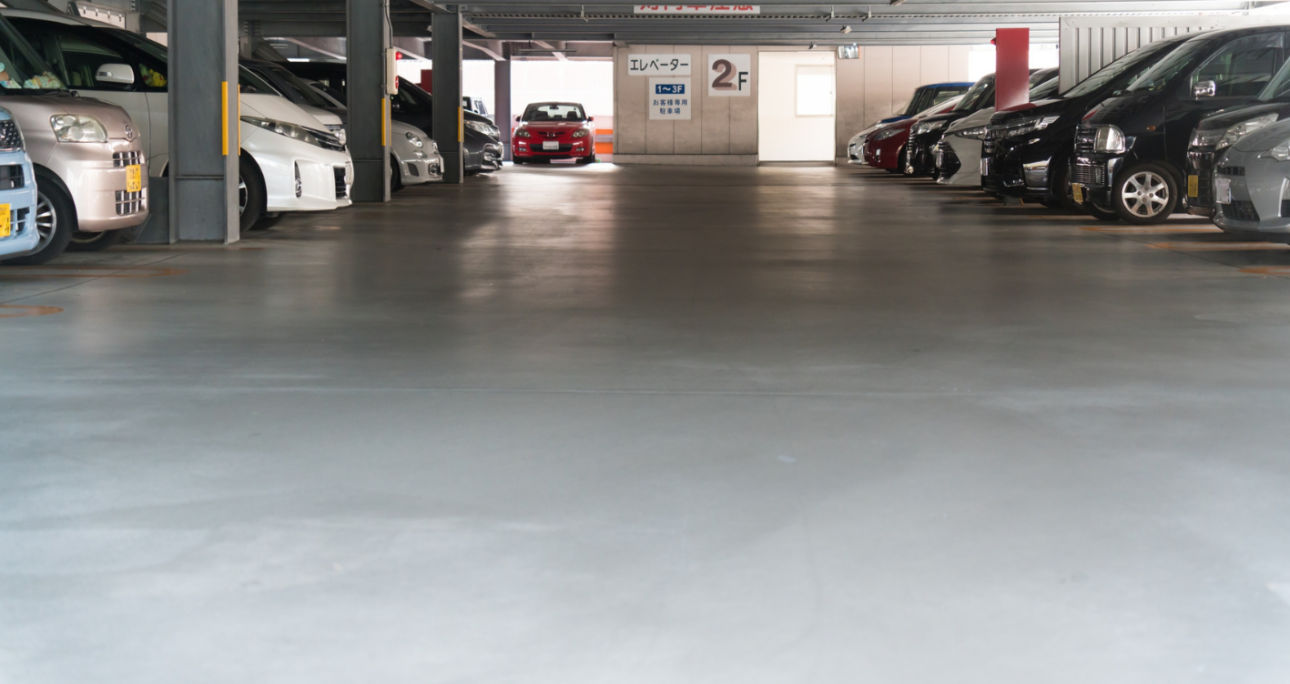
People don’t usually say, “I skipped it because parking looked bad.” What happens instead is quieter. They hesitate when they picture the trip, arrive later than planned, or leave early because getting out feels like it will take too long. In places like Tampa, where busy corridors overlap with dining and nightlife, that hesitation shows up often enough to affect turnout.
Interest gets someone to consider an event. Access decides whether they actually follow through.
Arrival Pressure Builds Before The Entrance
The experience starts on the road leading in. If cars slow down near the venue and drivers can’t tell where to turn or queue, that uncertainty spreads. One person brakes and a short line becomes a longer one. It doesn’t take much for a simple arrival to feel disorganized, especially when several guests reach the area at the same time.
Once that feeling sets in, people adjust on the fly. Some park farther away just to avoid the wait. Others give up on the closest lot and try a different block, which adds time before they even step inside.
Parking Expectations Change How Guests Commit
When people expect a hassle, they treat the event differently. Instead of planning to stay for the full program, they keep it flexible. That shows up in shorter visits and earlier exits, even when the event itself is going well.
You can see it in the way guests time their arrival. A few come early to secure a spot. Others come late to avoid the rush, which shifts the energy at the start and spreads arrivals out more than intended.
Shared Lots Make Availability Feel Unpredictable
Many venues rely on parking that’s also used by nearby businesses. Restaurants and other events all pull from the same supply, and that demand changes throughout the day. A lot that looks open in the afternoon can be full an hour later.
Guests don’t see capacity numbers or agreements between properties. They see whether a space is open when they arrive, and that single moment shapes their impression of the venue.
Distance From The Lot Affects Comfort
A longer walk isn’t just a matter of minutes. In Tampa heat, it changes how the arrival feels, especially for guests dressed for an event. If the path isn’t clear or shaded, that short walk can feel like an obstacle.
When people anticipate that kind of walk, some decide it isn’t worth it. Others come but feel uncomfortable before the event even begins, which affects how long they stay.
Traffic Flow Determines How Smoothly People Settle In
The layout around the venue matters as much as the lot itself. Narrow entries or intersections that back up during peak hours all slow things down. Those delays don’t stay outside. They affect check-in timing and how quickly the room fills.
When multiple events run in the same area, those slowdowns stack. What should be a steady stream of arrivals turns into bursts, with gaps followed by sudden crowds.
Clear Directions Reduce Second-guessing
Guests rely on simple cues when they’re close to the venue. Signs and visible entry points help them decide quickly. Without that guidance, drivers hesitate or stop to check directions. This adds to congestion.
Providing clear parking instructions ahead of time helps more than most people expect. It reduces the number of small decisions guests have to make when they’re already close.
Parking Cost Influences Attendance More Than Expected
Fees don’t need to be high to matter. When people weigh travel time, effort, and cost together, parking becomes part of the overall value of attending. For optional events, even a modest fee can tip the balance.
This tends to show up in casual or drop-in events where commitment isn’t fixed. Guests who might have come for a short time decide to skip instead.
Accessibility Affects Who Feels Able To Attend
Not every guest approaches arrival the same way. Accessible spaces, short paths to the entrance, and clear routes all affect who can attend comfortably. If those aren’t considered, attendance narrows without it being obvious during planning.
Timing Can Either Ease Or Increase Pressure
The same venue can feel easy or difficult depending on when the event is scheduled. Midday traffic and nearby activities all affect how quickly spaces fill and how long it takes to move through the area.
Slightly changing the start time can ease that pressure, but only if those patterns are understood ahead of time.
Local Knowledge Helps Avoid Common Bottlenecks
Working with teams familiar with event venues in Tampa often brings attention to parking earlier in the process. They know which areas stay manageable during busy hours and which ones back up even with moderate demand.
That insight helps narrow choices to venues that will hold up once guests start arriving, not just ones that look good in photos.
Attendance Reflects the Full Arrival Experience
Guests don’t separate the event from the process of getting there. If arrival feels smooth, it fades into the background. If it feels difficult, it becomes part of the story they remember.
Parking access doesn’t guarantee attendance, but it shapes how many people show up and how long they stay once they do.
Also read: 6 Things Every Event Venue Should Offer Clients