

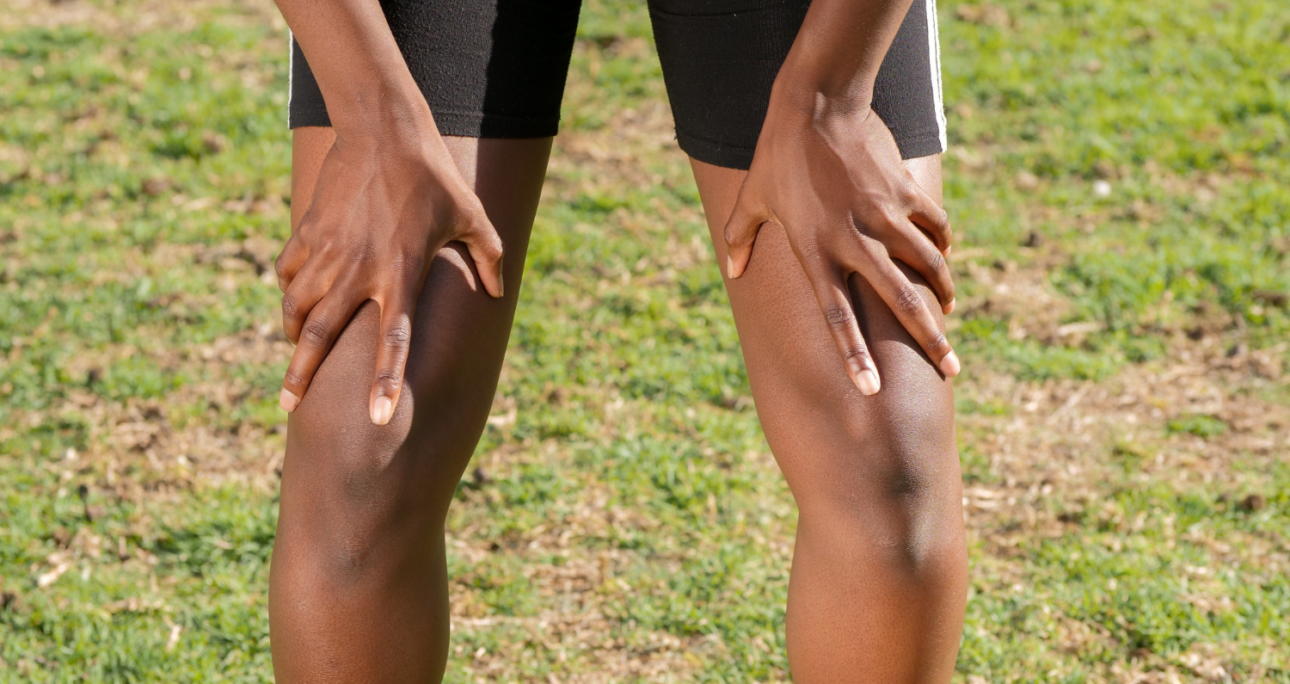
Age changes how a body moves. Knees usually give the first hints. You feel a sudden tightness when getting up from a deep couch. You notice a low ache after a quick stroll around the block. A sharp click sounds off while climbing a set of stairs. These small symptoms accumulate over time. Joint stability dictates how much freedom you have during a normal day. When knee joints lose flexibility, simple chores turn into deliberate, calculated chores.
You have to look closely at joint mechanics if you want to stay active. Bones, connective tissue, and fluid form a delicate shock-absorbing system. Time shifts how that system functions. Cartilage wears thin. Natural moisture drops. Supporting muscles lose strength when they are not challenged. You protect your independence by maintaining mechanical efficiency rather than attempting to turn back the clock.
Mechanical Shifts Inside the Joint Capsule
Joints function much like heavy-duty mechanical hinges coated in a dense lubricant. Cartilage acts as the primary buffer between hard bone surfaces, taking the brunt of every footfall. Years of constant motion gradually grind down this soft cushion. Friction builds up in tiny increments.
Synovial fluid handles another huge part of the workload. This viscous liquid coats internal surfaces, allowing smooth movement without grinding. The human body manufactures less fluid as years pass; the liquid itself loses weight and thickness. Reduced fluid volume translates into direct pressure on exposed bone.
Muscles near the joint experience major shifts as well. Strong quadriceps and hamstrings keep the kneecap aligned while distributing weight during motion. Weakness across these main muscle groups leaves the joint unprotected against sudden twisting forces. Every step sends raw impact straight into structural cartilage instead of spreading that energy across the whole leg.
Restoring Cushioning and Managing Friction
Dry joint surfaces create immediate pain during basic daily movement. Fluid preservation becomes a core priority for long-term health. Rebuilding smooth movement across cartilage helps slow structural wear when natural fluid degrades.
Medical treatments frequently address this moisture drop right inside the joint space. Viscosupplementation offers a practical way to rebuild fluid cushioning with targeted hyaluronic acid formulas. Medical practices regularly rely on a reputable Hyalgan online supplier to help patients manage chronic joint friction and maintain physical mobility. Injecting specialized hyaluronic acid coats internal tissue, easing friction during daily activity and providing relief when standard lifestyle changes fall short.
Hydration across the rest of the body plays a big role too. Cartilage needs water to maintain its shape under heavy pressure. Chronic dehydration robs joint tissue of essential moisture, making cartilage brittle and vulnerable to micro-tears during routine effort.
Daily Choices That Support Joint Function
Regular physical activity keeps joints operational far longer than complete rest. Inactivity actually increases stiffness: synovial fluid requires physical motion to circulate through the joint cavity.
- Low-impact exercises like swimming, stationary cycling, or water walking keep fluid moving without pounding hard ground.
- Targeted strength drills for quads, hamstrings, and calves create a supportive muscular frame around the knee joint.
- Controlled mobility routines protect full range of motion, stopping stiffness from setting in permanently.
Light activity supports soft tissue without adding unnecessary wear. Pain acts as a warning to adjust your routine, not a command to stop moving completely. Balance remains the most critical factor.

Weight Factors and Cumulative Impact
Body weight exerts a heavy force on lower limbs. Walking on a flat sidewalk places a load on your knees equal to three or four times your actual body weight. Running or taking steep stairs multiplies that mechanical load even more.
Small changes in total body weight deliver huge benefits for joint health. Dropping a few pounds removes hundreds of pounds of cumulative pressure from knee cartilage every single day. Less weight means less structural friction during routine chores.
Alignment affects how well your body handles these physical forces. Flat feet, irregular gait habits, or weak hips throw off natural joint alignment. Weight shifts unevenly across cartilage surfaces, wearing down one side faster than the other. Proper footwear and custom supportive inserts help distribute those forces evenly.
Controlling Inflammation Through Smart Nutrition
Systemic inflammation speeds up the breakdown of soft tissue. What you eat every day influences joint comfort from the inside. Processed snacks, excessive sugar, and refined cooking oils spark internal reactions that irritate sensitive joint lining.
Nutrient-dense foods fight off stress inside tissue. Wild fish packed with omega-3 fatty acids helps soothe localized inflammation inside joint cavities. Dark greens, berries, seeds, and walnuts supply key nutrients needed for ongoing tissue upkeep.
Collagen creation slows down naturally over time. Meals rich in vitamin C, zinc, and lean proteins provide raw materials your body uses to rebuild connective structures. Lowering internal inflammation creates a better environment for knees to remain quiet and comfortable.
Adapting Workout Routines Over the Years
Long-term physical freedom requires an adaptable mindset. Workouts that felt effortless ten years ago might demand tweaks today. Adjusting exercises to match current joint capacity protects long-term mobility without risking sudden injuries.
Consistency works far better than intensity when maintaining joint health. Short daily walks, simple leg lifts, and easy mobility work protect joints better than intense, irregular workouts followed by long recovery periods. Patience keeps your daily routine sustainable.
Attention to bodily signals prevents major setbacks. Swelling, sharp pain, or sudden joint instability requires immediate care and professional testing. Catching minor mechanical issues early prevents them from turning into permanent physical restrictions.
Long-Term Maintenance Approaches
Physical joint changes occur naturally, but severe pain and loss of movement do not have to be inevitable outcomes. Active management combines smart daily motion, proper nutrition, sensible load control, and targeted medical help when required.
Every positive decision adds up to a smoother, more comfortable stride. Protecting knee function keeps your lifestyle open, active, and independent for years down the road. Movement remains comfortable when your joints get the care, strength, and internal moisture they require every step of the way.