

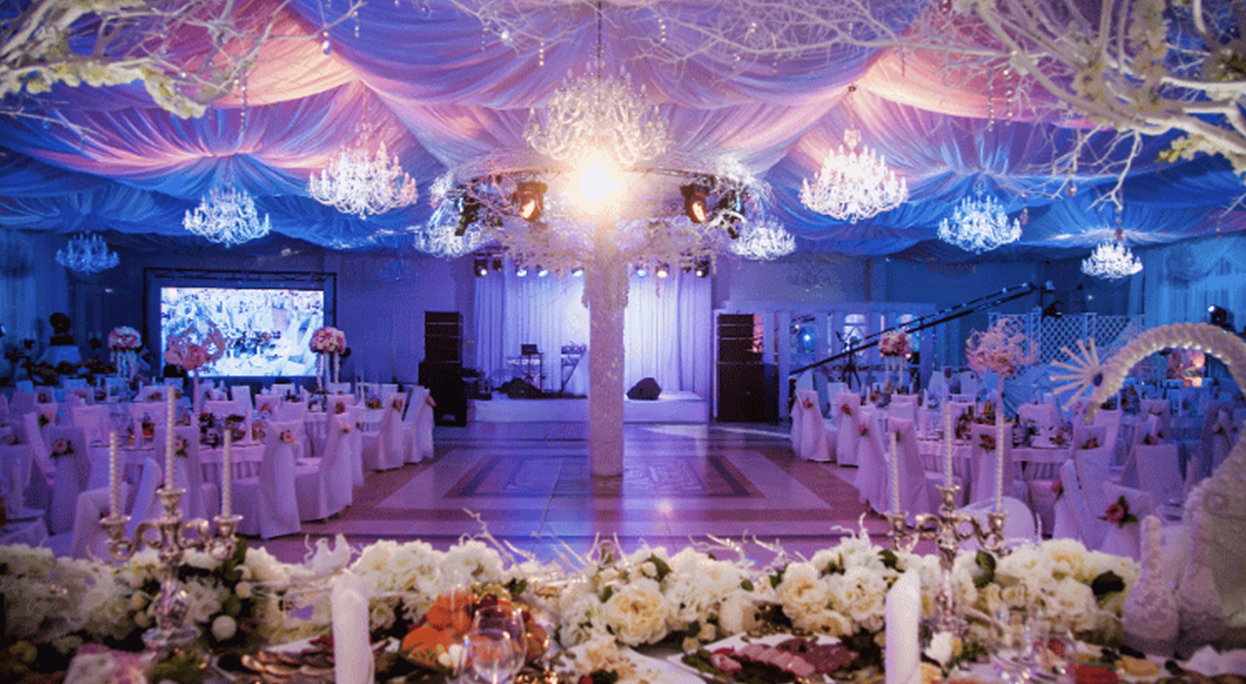
Luxury wedding décor can transform a venue, but creating that polished look involves far more than choosing pretty flowers and tablecloths. From large floral installations to lighting and custom-built features, several design choices can quickly become major expenses.
No single price tag fits every luxury wedding. Venue size, guest count, location, season, design complexity, and the amount of labor involved all affect the final bill. Understanding where the money typically goes makes it easier to set priorities and decide which details deserve a larger share of the décor budget.
Floral Design and Installations
Flowers often take up a considerable portion of a luxury décor budget because they appear throughout the celebration. Bouquets and boutonnieres are only the beginning. Couples may also want ceremony arrangements, aisle flowers, centerpieces, bar decorations, floral arches, staircase installations, and flowers around signs or seating charts.
The type of arrangement matters, too. A low table centerpiece is generally less complicated than an elaborate suspended installation that needs to be assembled safely above guests. Fresh flowers also need careful storage, transportation, preparation, and installation, adding labor behind the scenes.
Couples trying to manage costs can identify two or three places where flowers will have the strongest visual impact. A dramatic ceremony backdrop or reception installation can become a focal point without treating every corner of the venue the same.
Tablescapes and Place Settings
At a luxury reception, the table itself becomes part of the décor. Linens, chargers, dinnerware, flatware, glassware, candles, menus, place cards, and centerpieces all contribute to the finished appearance.
Guest count has a particularly strong effect here. A small increase in the cost of each place setting becomes much more noticeable when repeated across dozens of tables.
One practical approach is to spend more on items guests will notice immediately and keep supporting details understated. Couples sourcing decorative pieces themselves can also browse retailers such as Jamali Garden for vases, candleholders, and other tabletop décor. Buying selected pieces can make sense when they can later be reused at home, given to family, or incorporated into another event.
Before purchasing anything, though, check what the venue or caterer already supplies. Paying for decorative glassware or table accessories only to discover the venue package already includes suitable options is an avoidable expense.
Lighting Can Change the Entire Room
Lighting is sometimes treated as a practical requirement rather than décor, but it can completely alter how a reception space feels after sunset. Candlelight, chandeliers, pendants, uplighting, pin spotting, and other lighting choices can draw attention to architectural features while making tables and floral arrangements more prominent.
Complexity is what can push this part of the budget upward. Hanging fixtures may require specialist installation, additional equipment, venue approval, and significant setup time. The existing infrastructure of the venue also affects what is practical.
Ask to see the space at roughly the same time of day as the wedding reception. A ballroom that looks bright during an afternoon tour may feel entirely different in the evening. Seeing the natural and installed lighting firsthand can prevent unnecessary additions.
Furniture, Lounge Areas, and Bars
Standard venue furniture may work perfectly well, but luxury weddings often bring in additional pieces to support the overall design. Dining chairs, sofas, cocktail tables, bar fronts, shelving, rugs, and side tables can help create a more distinctive setting.
These expenses extend beyond the rental price. Delivery, collection, setup, breakdown, and moving bulky pieces through a venue may all contribute to the total.
Instead of replacing every chair and table, concentrate specialty furniture in high-traffic areas. A thoughtfully arranged cocktail lounge, for example, may have more impact than upgrading furniture guests barely notice elsewhere.
Bars deserve similar consideration. A custom bar can act as a strong visual feature, but an existing venue bar may simply need flowers, candles, or a decorative backdrop to fit the broader design.
Custom Structures and Personalized Details
Some of the most memorable luxury décor is made specifically for the wedding. This might include a ceremony structure, escort-card display, stage backdrop, custom signage, monograms, dance-floor graphics, or an installation built around the venue’s architecture.
These features tend to cost more because they involve design and fabrication, not just selecting an existing rental. Installation can also require additional planning, especially when structures must meet venue rules or be removed within a limited timeframe.
Before committing to a custom feature, ask what purpose it serves:
- Does it create a major focal point?
- Will guests interact with it?
- Will it appear prominently in photographs?
If the answer is no, the money may have a greater effect elsewhere.
Labor, Delivery, and Setup Are Easy to Overlook
Décor budgets are not only about physical objects. Someone has to pack, transport, unload, assemble, arrange, dismantle, and remove those objects.
A complicated design may involve florists, rental teams, lighting specialists, fabricators, and venue staff working within a narrow setup window. Difficult access can add another layer of work. Stairs, small elevators, long loading routes, or strict venue schedules can turn a seemingly straightforward installation into a time-consuming job.
When comparing proposals, look beyond the cost of the décor itself. Ask what delivery, installation, breakdown, collection, and staffing include. Knowing the full scope makes different quotes much easier to compare fairly.
How to Prioritize a Luxury Décor Budget
Luxury does not require filling every available space. In many cases, a restrained design with a few carefully chosen focal points feels more sophisticated than a room crowded with competing details.
Start by deciding what guests will encounter first and remember most. That could be the ceremony backdrop, reception tables, lighting, dance floor, or an impressive floral feature. Allocate more of the budget to those areas, then simplify secondary spaces.
It also helps to consider the venue before designing around a trend. A location with attractive architecture, gardens, dramatic windows, or distinctive lighting already provides part of the experience. Working with those features can reduce the need to cover or replace them.
Final Thoughts
The biggest luxury wedding décor expenses usually come from complexity, scale, repetition, and labor. Flowers, tablescapes, lighting, furniture, custom installations, and setup can all command a substantial share of the budget when used extensively.
A clear design hierarchy makes spending easier to control. Choose the details that matter most, find out what the venue already provides, and account for installation costs before committing to individual pieces. With thoughtful priorities, couples can create a refined, memorable setting.