
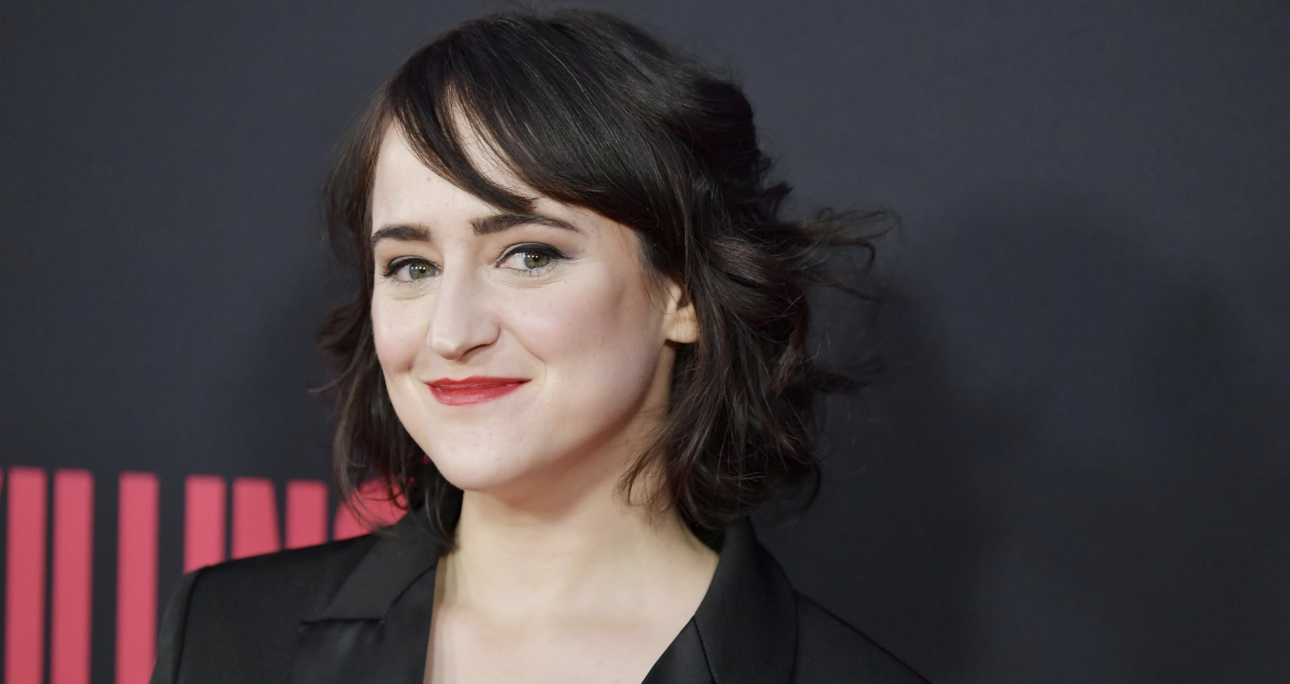
Mara Wilson remains one of the most beloved figures from 1990s cinema. For millions who grew up watching her, she will forever be the brilliant, telekinetic girl who outsmarted Miss Trunchbull, or the youngest Hillard daughter who melted hearts alongside Robin Williams. Yet the real story of Mara Wilson is far richer than any single role. It is a story of early fame, profound loss, deliberate reinvention, and a fierce commitment to storytelling on her own terms.
Today, Mara Wilson is an author, audiobook narrator, voice actor, and outspoken advocate. She has largely stepped away from traditional on-screen Hollywood roles, not because the industry rejected her, but because she refused to reshape herself to fit its narrow expectations. Her path offers a rare and inspiring alternative to the usual child-star narrative of burnout or forced reinvention.
Early Life and Sudden Stardom
Born Mara Elizabeth Wilson on July 24, 1987, in Burbank, California, she was the fourth child of Suzie (née Shapiro) and Mike Wilson. Her mother was Jewish and her father Catholic of Irish descent. The family lived a relatively ordinary life until young Mara showed interest in acting after watching her older brother appear in commercials.
At just five years old, she began landing commercials herself. By age six she had her breakthrough: the role of Natalie Hillard in the 1993 comedy Mrs. Doubtfire. Sharing the screen with Robin Williams, Sally Field, and Pierce Brosnan, the little girl with the gap-toothed smile held her own with remarkable ease and charm. The film was a massive commercial success, and Mara Wilson suddenly became a recognizable face.
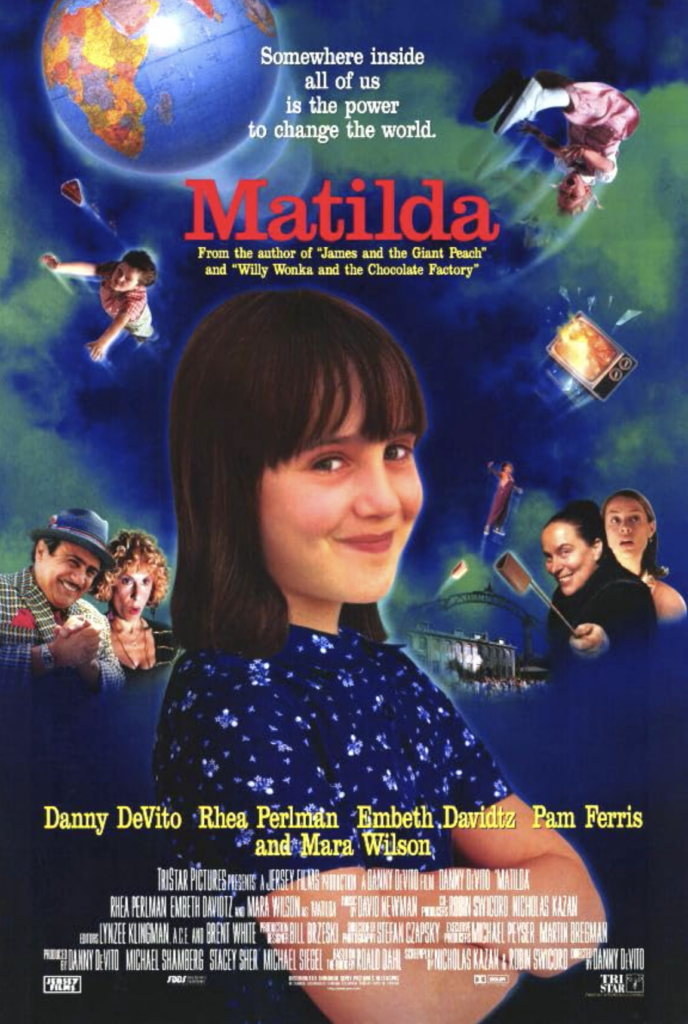
The following year she starred as Susan Walker in the 1994 remake of Miracle on 34th Street opposite Richard Attenborough. Then came the role that would define her public image for decades: the title character in Danny DeVito’s 1996 adaptation of Roald Dahl’s Matilda. Filming the movie coincided with one of the most difficult periods of her young life. Her mother, Suzie, had been diagnosed with breast cancer and died in April 1996, when Mara was only eight. The loss left a deep mark that later influenced her decision to step back from the spotlight.
Matilda was a critical and commercial hit that cemented Mara Wilson as one of the defining child stars of the decade. She followed it with A Simple Wish (1997) and Thomas and the Magic Railroad (2000). By the time she was thirteen, she had already experienced more professional highs and personal lows than many adults.
Choosing a Different Path
Unlike many child actors who chase continued fame into their teens and twenties, Mara Wilson made a conscious choice to pause. The combination of her mother’s death, the pressures of public scrutiny, and the discomfort of being sexualized by media and online strangers while still a child took a toll. She has spoken openly about discovering inappropriate images of herself online after Googling her name at age twelve, an experience that left lasting scars and later fueled her advocacy against the exploitation of children, including the dangers of AI-generated child sexual abuse material.
She attended Idyllwild Arts Academy and later earned a BFA from New York University’s Tisch School of the Arts, focusing on writing and performance. For more than a decade she largely stayed away from film and television, choosing instead to write, study, and rebuild a private sense of self.
When she returned to acting in the 2010s, it was on her own terms: primarily voice work, web series, podcasts, and eventually audiobooks. She has voiced characters in BoJack Horseman, Big Hero 6: The Series, and Helluva Boss, and appeared in projects such as the podcast series Vam PD. These roles allowed her to perform without the intense visual scrutiny that comes with on-camera work.
The Power of the Written and Spoken Word
Mara Wilson has always identified as a storyteller first. In interviews she has said that even as a child on set, she spent downtime in her trailer writing plays and stories. That impulse found full expression in her adult career.
Her 2016 memoir, Where Am I Now?: True Stories of Girlhood and Accidental Fame, offered a witty, honest, and often moving account of growing up famous. It explored the disorientation of early celebrity, the grief of losing her mother, and the process of figuring out who she was beyond the cute kid on screen. A later book, Good Girls Don’t, continued her exploration of identity, family, and the expectations placed on girls and women.
In recent years she has become one of the most respected and prolific audiobook narrators working today. She has estimated that she has recorded around seventy titles across a wide range of genres, literary fiction, romance, horror, speculative fiction, and more. Among her notable credits are several works by Chuck Tingle, including Camp Damascus, Bury Your Gays (for which she shared in an Audie Award), Lucky Day, and Fabulous Bodies. She has also narrated books by Katherine Applegate and many others.
Wilson has described audiobook narration as liberating. “I love that you can be anything,” she has said. In the recording booth she has played criminals, nuns, Tinkerbell, and countless other characters. For someone who once felt confined by the limited roles available to women of her age, appearance, and background, the ability to inhabit any voice is profoundly freeing. She has called it the best job she has ever had.
Advocacy and Authenticity
Beyond her creative work, Mara Wilson is a vocal advocate on several fronts. She has been open about her diagnoses of OCD, anxiety, depression, and postural orthostatic tachycardia syndrome (POTS). She discusses mental health with honesty and without stigma, encouraging others to seek help.
She is also outspoken on LGBTQ+ issues (she came out as bi/queer in 2017), reproductive rights, and the protection of children online. In a January 2026 Guardian op-ed, she wrote powerfully about her own experience with non-consensual sexualized images and the new threats posed by artificial intelligence. She has used her platform to call for stronger safeguards so that other children do not endure what she did.
Wilson has made clear that she is not interested in forcing herself back into conventional Hollywood leading roles. In multiple 2026 interviews she explained that there are not always parts written for women who look and sound like her at her age, and that she would have to change significantly to fit the industry’s preferred mold, something she has no desire to do. Instead, she continues to tell stories in the ways that feel true to her: through writing, voice performance, and public conversation.
Why Mara Wilson Still Matters
More than thirty years after Matilda first hit theaters, Mara Wilson’s cultural presence endures for reasons that go far beyond nostalgia. She represents a model of what it can look like to survive child stardom with integrity intact. She rejected the pressure to remain perpetually “cute” or to chase relevance at any cost. She prioritized education, mental health, creative fulfillment, and personal authenticity.
In an era when many former child actors still struggle with public expectation and private pain, Wilson’s trajectory feels quietly radical. She turned the skills she developed as a performer, empathy, timing, emotional range, and a deep love of narrative, into a sustainable adult career that does not require her to contort herself for the camera.
Fans who once watched a little girl make objects fly across a classroom or share scenes with Robin Williams now find her in a different medium: reading aloud the stories of others with warmth, intelligence, and precision, or writing her own with the same sharp observation that made her performances so memorable.
Mara Wilson never really left storytelling. She simply claimed the right to tell stories in the forms and at the pace that work for her. That decision has allowed her to grow up in public on her own terms, an achievement rarer and more impressive than any childhood role.
For anyone who ever felt like the smart, sensitive kid who didn’t quite fit the mold, or for anyone navigating the aftermath of early success, her journey remains a quiet source of encouragement. The magic was never only in the telekinesis. It was in the courage to keep writing the next chapter, even when the cameras stopped rolling.