
In early 2026, a tiny Japanese macaque captured the world’s attention in a way few animals ever have. Known simply as Punch the monkey, this baby primate at Japan’s Ichikawa City Zoo turned personal hardship into a global story of perseverance. Rejected by his mother shortly after birth, forced to navigate a complex social hierarchy alone, and relying on a stuffed orangutan for comfort, Punch the monkey became a symbol of resilience that millions followed online. His story offers more than cute videos; it reveals insights into primate behavior, the power of human empathy, and the unexpected ways the internet can rally around the vulnerable.
This blog explores the full tale of Punch the monkey, from his difficult beginnings to his ongoing progress, the science behind the behaviors that worried fans, and the broader lessons his journey holds. Whether you first saw him clutching his plush companion or watching him wave at visitors, understanding the complete picture of Punch the monkey deepens the emotional connection many already feel.
Who Is Punch the Monkey?
Punch the monkey, also called Panchi-kun in Japan, is a Japanese macaque (Macaca fuscata), often nicknamed a snow monkey. Born on July 26, 2025, at Ichikawa City Zoo in Chiba Prefecture near Tokyo, he entered the world during a challenging heat wave. His mother rejected him soon after birth, a rare but documented occurrence in macaques that can stem from physical exhaustion, inexperience, or environmental stress.
Without maternal care, infant macaques face steep odds. They depend on their mothers for warmth, milk, protection, and critical social learning. Zoo staff stepped in immediately, hand-rearing Punch through bottle-feeding and constant monitoring. By January 2026, keepers began reintroducing him to the troop living in the zoo’s “Monkey Mountain” enclosure. That transition marked the start of the story that would soon go viral.
Punch’s name carries a lighthearted cultural nod. Keepers reportedly drew inspiration from the famous Japanese manga artist known as Monkey Punch, creator of the Lupin III series. The moniker stuck, and within months “punch the monkey” became a searchable phrase that triggered everything from news coverage to Google Easter eggs featuring animated hearts and the little macaque himself.
The Early Struggles That Defined Punch the Monkey
Maternal rejection left Punch the monkey at a severe disadvantage. In wild and captive macaque groups, infants learn social rules by observing and interacting under their mother’s protection. Without that shield, Punch ranked at the bottom of the dominance hierarchy. Higher-ranking individuals sometimes redirected aggression toward him, chasing, tackling, or dragging him briefly, behaviors that looked alarming to human viewers but fit typical primate social dynamics.
Videos of these interactions spread rapidly. One widely shared clip showed an older macaque pulling Punch across the ground before the infant scrambled back to his stuffed toy. Fans expressed heartbreak, flooding comments with messages of support under hashtags such as #HangInTherePunch and #GanbarePanchi. Many worried the troop was “bullying” him. Experts, however, offered context: Japanese macaques maintain strict ranks, and low-status animals often absorb redirected aggression when mid-ranking individuals face pressure from above. Punch’s isolation made him an easy target, yet the zoo monitored closely and reported no serious injuries.
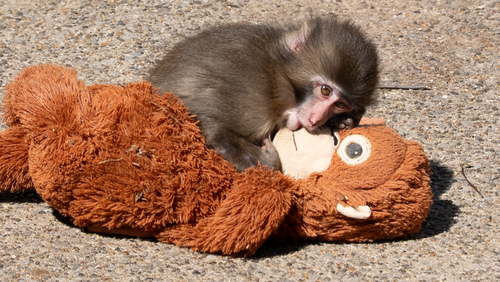
To ease his loneliness and encourage physical development, keepers provided soft comfort objects. Punch formed an intense bond with one in particular, an IKEA Djungelskog orangutan plush. He dragged it everywhere, hugged it while sleeping, and retreated to it after stressful encounters. The toy became his surrogate companion, offering security during a period when real social bonds remained fragile. This attachment, more than anything else, humanized Punch the monkey for millions. People saw a small creature seeking comfort the same way children cling to blankets or stuffed animals after rejection or loss.
How Punch the Monkey Became a Global Sensation
By February 2026, footage of Punch the monkey with his plush companion and navigating troop life exploded across X, TikTok, Instagram, and news outlets. The combination of vulnerability, cuteness, and quiet determination proved irresistible. Visitors to the zoo surged. Monthly attendance reportedly more than doubled as people traveled specifically to see the famous infant. IKEA’s Djungelskog toy sold out in multiple countries, with secondary markets seeing inflated prices and the company leaning into the moment with warm messaging about found family.
The phenomenon extended beyond social media. Google introduced a playful animation when users searched “punch the monkey,” filling screens with hearts and illustrations of the macaque. Celebrities and everyday fans shared updates. The story appeared in major publications worldwide, sparking discussions about animal welfare, zoo practices, and why certain animals trigger such strong protective instincts.
Neuroscientists offered explanations for the intense emotional response. Features associated with baby animals, large eyes relative to face size, rounded features, and clumsy movements, activate caregiving circuits in the human brain almost instantly. Punch the monkey’s situation amplified this: he was not only baby-cute but also visibly seeking connection after rejection. Viewers projected their own experiences of loneliness or resilience onto him, turning a zoo animal into a shared emotional experience.
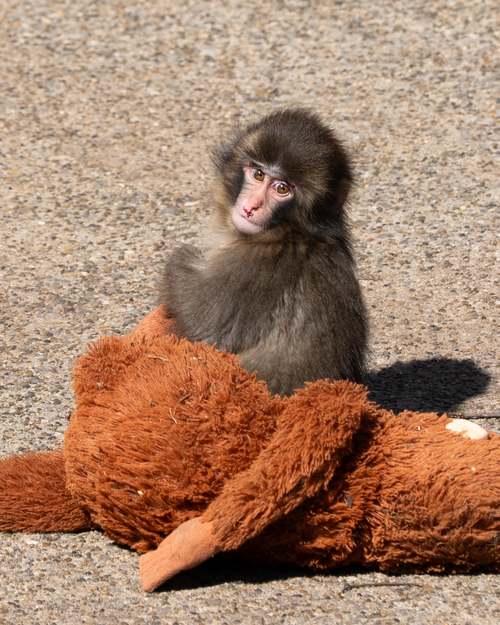
Understanding the Behavior: Was Punch the Monkey Really Being Bullied?
One of the most debated aspects of the Punch the Monkey story involved the physical interactions with other macaques. Clips of him being chased or dragged prompted calls for separation. Primate behavior specialists pushed back with important nuance.
Japanese macaques live in hierarchical groups where rank influences nearly every interaction, access to food, grooming partners, and space. Aggression is often ritualized and redirected rather than purely malicious. A mid-ranking female under threat from a higher-ranking individual may briefly displace her stress onto a lower-ranking animal like Punch. This pattern is common and usually does not escalate to serious harm when monitored by experienced keepers.
Zoo staff emphasized that reintegration remained the priority. Removing Punch permanently would deprive him of essential species-typical social learning. Over time, positive signs emerged. Punch began approaching other young monkeys, receiving grooming, and relying less exclusively on his plush toy. By March 2026, keepers reported encouraging milestones: he played without the toy, communicated more effectively with peers, and even began waving at human visitors, likely an imitation of the crowds who constantly gestured toward him.
These developments aligned with expert expectations. Hand-reared primates can integrate successfully when given time, environmental enrichment, and careful management of social introductions. Punch the monkey’s progress demonstrated that patience and professional care can overcome early setbacks.
Recent Progress and Continuing Interest in Punch the Monkey
As of mid-2026, updates on Punch the monkey remain largely positive. He continues living with the troop and shows increasing social confidence. Keepers note improved communication with other macaques and reduced dependence on the orangutan plush. Visitors still flock to the enclosure, though the zoo has implemented measures to reduce stress, including designated viewing zones.
The commercial and cultural ripple effects persist. The story inspired merchandise, memes, and even discussions about animal celebrity ethics. Some voices raised valid concerns about the pressure of constant attention on a young animal and the risk of anthropomorphism distorting welfare decisions. Others celebrated the attention for highlighting zoo conservation efforts and the emotional intelligence of primates.
Punch the monkey’s tale also prompted reflection on similar cases. Maternal rejection occurs in various species; successful hand-rearing and reintroduction stories offer hope and practical models for wildlife professionals. His visibility has quietly educated the public about macaque social complexity and the importance of patient, science-based animal care.
Lessons Humans Can Learn from Punch the Monkey
Beyond the cuteness and drama, Punch the monkey delivers several lasting takeaways. First, resilience often looks quieter than we expect. Progress for him arrived gradually, through small interactions, shared space, and repeated opportunities rather than dramatic overnight change. Second, connection takes many forms. A plush toy provided critical emotional scaffolding until living relationships could form. Third, hierarchies and social challenges exist across species; understanding context prevents us from mislabeling natural behavior as pure cruelty.
For parents, educators, and anyone navigating social dynamics, Punch’s story gently reminds us that early disadvantages need not define an entire life. Support systems, whether human caregivers, enrichment objects, or patient peers, can bridge difficult periods. The global outpouring of affection also illustrated the internet’s capacity for collective empathy when a narrative feels authentic and emotionally clear.
At the same time, the phenomenon underscores the responsibility that comes with viral animal fame. Zoos must balance public interest with animal welfare. Media coverage should prioritize accurate behavioral context over sensational clips. Fans can best support animals like Punch by valuing professional expertise over demands for dramatic interventions.
The Broader Impact on Animal Welfare Conversations
Punch the monkey arrived at a moment when public interest in animal cognition and welfare continues to grow. His story humanized complex topics: dominance hierarchies, surrogate attachment, and the ethics of captive social groups. It encouraged casual observers to look past surface-level “bullying” narratives and consider scientific explanations. In doing so, it elevated discussions that specialists have long studied but that rarely reach mainstream audiences with such emotional force.
The IKEA plush connection added another layer. A mass-produced toy became a symbol of comfort, prompting conversations about enrichment in zoos and the psychological needs of hand-reared animals. When companies respond thoughtfully, through donations or restrained marketing, they can reinforce positive messages rather than pure commercialization.
Conclusion: Why Punch the Monkey Continues to Matter
Punch the monkey began life with significant disadvantages. Rejected by his mother, navigating a demanding social world without the usual support, and relying on an unlikely plush companion, he could easily have remained a quiet zoo story. Instead, his quiet determination and the transparency of the zoo’s updates turned him into a shared cultural moment. Millions watched, worried, celebrated small victories, and projected their own hopes onto a seven-month-old macaque.
As he grows and integrates further, Punch the monkey stands as a living example that early hardship does not preclude belonging. His journey highlights the sophistication of primate social lives, the value of patient professional care, and the surprising ways digital communities can unite around compassion. The next time you see a video of a small macaque waving or playing with peers, remember the full arc: from isolation and a stuffed orangutan to emerging friendships and global recognition.
Punch the monkey’s story is still unfolding. By following it with curiosity rather than pure sentimentality, we honor both the animal and the valuable insights his life has offered the watching world. Hang in there, Punch, your fans are still watching, still rooting, and still learning from the quiet strength of one determined little monkey.