
Singapore Knows Exactly What It’s Doing With Culture
Walk Singapore’s streets and you’ll feel it instantly: this is a place that treats culture like an essential service. The skyline may be futuristic, but the soul is carefully archived, staged, and shared.
It’s not accidental cool — it’s a considered, citywide exhibition. The result is a destination that feels both impeccably planned and refreshingly alive.
Culture As An Operating System
While many cities leave arts funding to whim and weather, Singapore programs it like infrastructure. Heritage boards, arts councils, and city planners cooperate so that galleries, theaters, and historic districts work in concert.
The government’s support doesn’t sand the edges — it gives artists and institutions room to take risks with confidence. What you get is a polished stage with plenty of creative mess in the wings.
Neighborhoods That Tell The Story
Chinatown isn’t a souvenir pit stop here — it’s a living archive of migration and trade, wrapped in five-foot ways and shophouse pastels. Little India dazzles with flower garlands and spice-scented corridors, where temples sit steps from sari shops and street art.
In Kampong Glam, Islamic heritage meets indie design, with textiles, calligraphy, and cafés tucked beneath elegant terracotta roofs. Over in Joo Chiat, Peranakan motifs bloom on ceramic tiles and wedding-cake facades, making an ordinary stroll feel like an open-air museum.
Art In The Everyday
Singapore excels at slipping culture into your commute and your lunch hour. MRT stations double as galleries, public sculptures punctuate business districts, and design thinking infuses everything from signage to seating.
Hawker centers deliver culinary heritage with white-tablecloth precision, proving that craftsmanship thrives at every price point. Even the city’s green spaces, think cloud forests and supertrees, are choreographed experiences, blurring art, science, and spectacle.
The Civic District’s Quiet Drama
Down by the river, the Civic District layers architecture like chapters in a well-edited book. British colonial neoclassicism converses with glassy modernism across walkable plazas and shaded promenades.
Museums, theaters, and government buildings share axes and sightlines, so an afternoon of art glides into an evening performance without a taxi scramble. It’s urban planning as cultural concierge.
National Gallery Singapore: The Past And Future Under One Roof
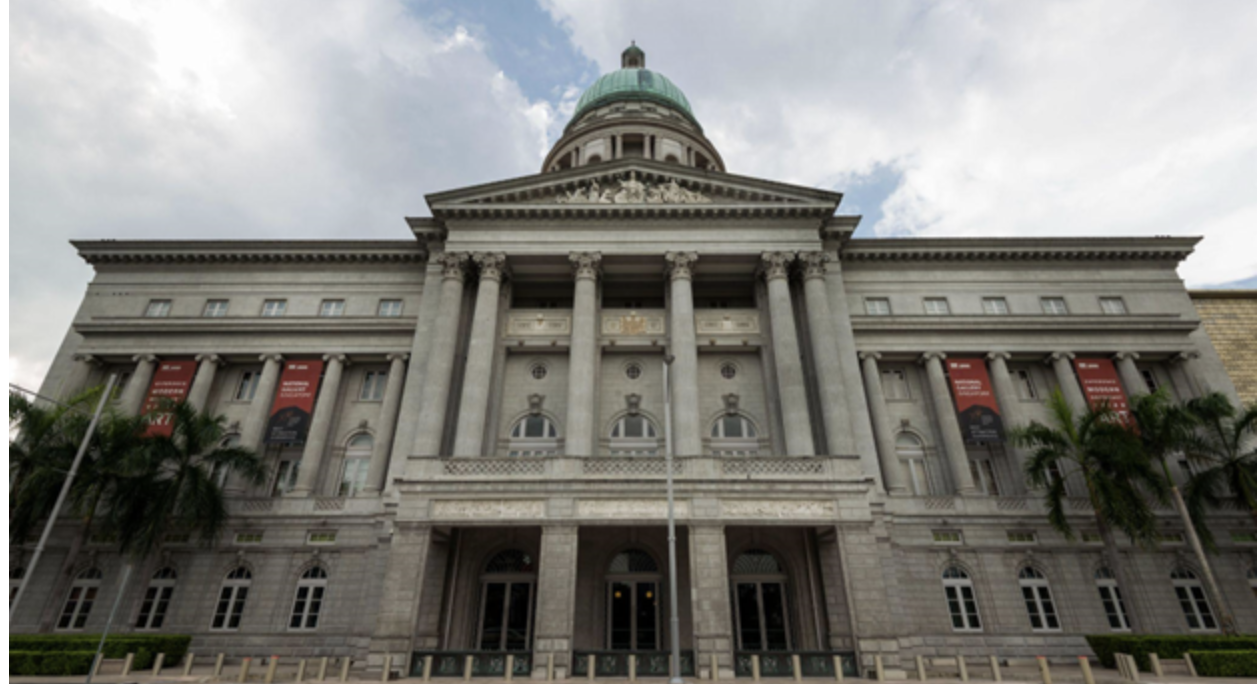
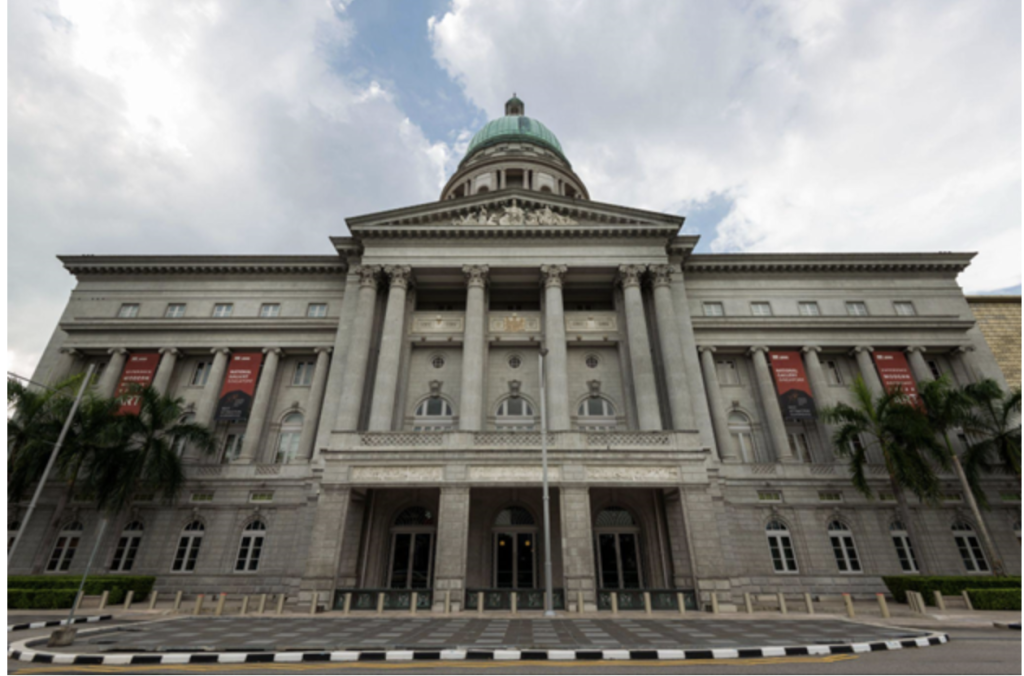
Housed in the former Supreme Court and City Hall, National Gallery Singapore is a masterclass in adaptive reuse. Its soaring atrium and latticed roof knit two monuments together, inviting you to look up as much as you look around.
It ranks among the best museums in Singapore, standing out for both its architectural presence and its collection of Singaporean and Southeast Asian modern art.
Inside, you’ll find the world’s largest public collection of modern Southeast Asian art, presented with the confidence of a capital and the curiosity of a crossroads.
The galleries tell a regional story that’s rarely given center stage. From early 20th-century pioneers to post-independence experimentation, the exhibitions trace how modern art in the Malay Archipelago evolved under colonialism, war, and nation-building.
Singapore’s own trajectory anchors the narrative, placing local icons beside counterparts from across the region.
There’s a tactile intelligence to the programming. Multimedia rooms encourage lingering, labels read like well-written essays, and education spaces welcome families without dumbing anything down.
On the roof, a panoramic terrace turns the skyline into part of the exhibition, with domes and courtyards revealing new angles on history.
Come for the blockbusters, stay for the slow-burn discoveries. The building’s details, courtroom woodwork, restored neoclassical/Art Deco-style corridors, hidden courtyards, reward patience.
You leave with a re-mapped understanding of Southeast Asia, and with it, a richer sense of Singapore’s place in the world’s cultural circuitry.
Festivals That Keep The Beat
If the Gallery is a keystone, the festival calendar is the pulse. Singapore Art Week splashes across the city each January, bringing pop-ups, open studios, and installations to neighborhoods you might otherwise miss.
The Singapore International Festival of Arts weaves theater, dance, and boundary-pushing collaborations into a high-caliber lineup. Night Festival throws a luminous net over heritage buildings, turning facades into canvases and streets into stages.
Gillman Barracks And The Edges Of The Scene
For a different mood, Gillman Barracks repurposes military quarters into a leafy contemporary cluster. Galleries here champion regional voices and provocative experiments, with weekend strolls turning into long conversations under the rain trees.
It’s where you feel the market’s hum but also the artist’s heartbeat. Cafés spill into courtyards – openings run late — the city’s polish loosens, just enough.
Design, Taste, And The Everyday Standard
“Good enough” isn’t the Singapore way, and that extends to cultural touchpoints large and small. Museum cafes serve dishes you’ll remember — museum shops edit their offers with taste rather than clutter.
Wayfinding is a craft, not an afterthought, and accessibility is baked in, not bolted on. Even airport arrivals feel curated, priming you to expect intentionality in everything that follows.
Food As Cultural DNA
To understand local identity, eat your way through a hawker center at breakfast, lunch, and supper. Laksa, satay, kaya toast, and nasi lemak tell stories of trade winds and intermarried communities.
The “UNESCO hawker culture” accolade isn’t just a title, it’s a lived tradition that families pass down with pride. And when chefs elevate those flavors in sleek dining rooms, it’s not nostalgia – it’s continuity.
Where To Start If You’re Short On Time
If you’re narrowing down the best museums in Singapore, start in the Civic District, where several of the city’s leading institutions sit within walking distance.
Begin with National Gallery Singapore, widely considered one of the leading museums in Singapore for its scale, architecture, and focus on Southeast Asian art. From there, you can build out your route depending on your interests, whether that’s history, design, or contemporary exhibitions nearby.
A walk along the river ties it all together, with cultural landmarks and performance spaces like the Esplanade close at hand. Even with limited time, this area offers a concentrated look at why Singapore’s museum scene stands out globally.
Why It Works
Singapore doesn’t confuse efficiency with sterility, or heritage with stagnation. It treats culture as a living system that needs care, funding, and thoughtful design.
Curation happens at the city scale, where transit, public space, and programming align to make engagement effortless. It’s a model that champions both the blockbuster and the intimate, the institution and the street.
The Visitor’s Payoff
As a traveler, you benefit from that alignment. You’ll see more, understand more, and move between experiences with minimal friction.
The city gives you context everywhere, on plaques, in audio guides, and through the choreography of neighborhoods. That gentle guidance never feels didactic – it feels like the city whispering, “Look here. Now look again.”
A Model American Cities Can Borrow
For US cities wrestling with cultural sprawl and uneven support, Singapore offers a playbook. Invest in institutions but also in connective tissue: design standards, clear signage, and calendars that invite participation.
Reimagine historic buildings for art and learning, then cluster them to create cultural gravity. Most of all, treat culture not as a luxury line item, but as the architecture of civic pride.
Leaving With A Different Map
When you fly out, you won’t just carry photos of a gleaming skyline. You’ll carry a reframed map of Southeast Asia’s creative history, and a new respect for how policy can nurture wonder. Singapore shows that when a city knows exactly what it’s doing with culture, the visitor feels both guided and free. That balance is the real spectacle, and the memory that keeps calling you back.