

How to Make Your Home Look Stylish on a Budget
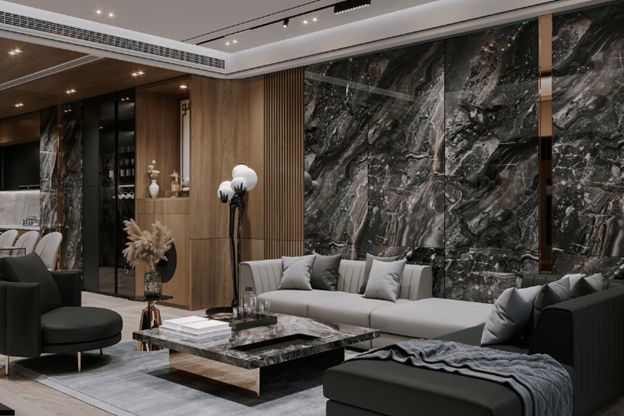
Creating a stylish home doesn’t have to mean draining your savings or investing in high-end designer pieces. Many beautifully decorated homes rely more on thoughtful choices than expensive purchases. A well-designed space is often the result of small improvements that work together to create a cohesive, inviting atmosphere.
The good news is that anyone can create a polished look without spending a fortune. With a little creativity and careful planning, it’s possible to refresh your living space using affordable upgrades that make a noticeable difference. From smart furniture placement to simple decorative accents, even small changes can shift the feel of an entire room.
If you’re looking to refresh your home while staying within a reasonable budget, the following strategies can help you create a space that feels stylish, intentional, and uniquely yours.
Focus on Decluttering and Layout First
Before buying anything new, take a close look at what you already have. Many homes feel crowded or chaotic simply because items are not arranged in a way that allows the space to breathe.
Start by removing unnecessary clutter. Decorative pieces, books, and small objects can accumulate over time and make a room feel busy. Keep the items that truly contribute to the look you want, and store or donate the rest.
Next, reconsider your furniture layout. Rearranging existing pieces can dramatically improve the flow of a room without costing anything.
Consider these simple adjustments:
- Move larger furniture pieces away from walkways to create open paths.
- Position seating so it naturally encourages conversation.
- Use rugs to define areas in open spaces.
- Place lamps strategically to improve lighting and mood.
These changes may seem minor, but they often reveal opportunities to style a room more thoughtfully.
Use Wall Art to Add Character
Bare walls can make even well-furnished rooms feel incomplete. Artwork is one of the easiest ways to add personality and depth to your home without making major purchases.
Instead of filling walls randomly, choose pieces that reflect your personal style and complement the room’s color palette. Even one statement piece can transform the atmosphere of a space.
When selecting artwork, consider:
- Size and scale relative to your wall
- Color coordination with existing furniture
- The mood you want the room to convey
A carefully chosen piece from The GOAT Wall Art can act as a focal point that anchors the entire room. For homeowners searching for affordable pieces that still feel modern and visually striking, browsing collections such as https://thegoatwallart.com/ can provide inspiration for building a cohesive gallery wall or introducing a bold centerpiece above a sofa or bed.
When art becomes part of the room’s design rather than an afterthought, the space immediately feels more intentional.
Upgrade Small Details That Make a Big Difference
Sometimes the smallest updates have the greatest visual impact. Instead of replacing furniture, focus on upgrading the details that people notice up close.
Swapping out inexpensive accessories can subtly modernize your space without requiring a full redesign.
Examples include:
- Replacing cabinet handles or drawer pulls
- Updating lampshades
- Adding decorative trays for coffee tables
- Using coordinated throw pillows
- Changing curtain rods or curtain styles
These adjustments work because they create visual consistency. When several small elements match the overall style of the room, the space feels curated rather than improvised.
Textures also play an important role. Mixing materials such as linen, wood, ceramic, and metal adds depth and warmth to your decor without requiring large purchases.
Create Layers With Lighting
Lighting is often overlooked when decorating on a budget, yet it plays a huge role in how a room feels.
Many homes rely only on a central ceiling light, which can make a room appear flat or harsh. Layering multiple light sources creates a softer, more inviting atmosphere.
Aim to include three types of lighting:
- Ambient Lighting: general room illumination
- Task Lighting: focused light for activities such as reading
- Accent Lighting: decorative light that highlights certain areas
Floor lamps, table lamps, and wall-mounted lights can all contribute to this layered effect.
Warm light bulbs also help create a cozy environment. Cooler lighting tends to feel clinical, while warmer tones add comfort and visual warmth to a space.
A few thoughtfully placed lights can dramatically improve the mood of a room without requiring structural changes.
Incorporate Affordable Statement Pieces
Every well-designed room typically has one or two elements that draw attention. These pieces give the space character and help everything else feel intentional.
Statement pieces don’t need to be expensive. What matters is their visual presence within the room.
Some affordable examples include:
- Oversized artwork
- A bold mirror
- A unique coffee table
- A patterned rug
- Sculptural lamps
Artwork is particularly effective because it adds personality without taking up floor space. By anchoring a room with one standout element, the rest of the decor can remain simple and budget-friendly.
Add Personality Through Plants and Textiles
Stylish homes rarely feel sterile. Instead, they include natural textures and organic elements that make the environment feel lived-in and welcoming.
Houseplants are an excellent example. They introduce color, life, and movement into a room while remaining relatively inexpensive.
Popular options for beginners include:
- Snake plants
- Pothos
- Peace lilies
- Rubber plants
These plants are generally low-maintenance and adapt well to indoor environments.
Textiles also play a powerful role in creating a layered look. Throw blankets, cushions, and area rugs soften the visual edges of furniture and bring warmth to a room.
Try mixing different fabrics while keeping a consistent color palette. This helps the room feel cohesive even when the individual items are affordable.
Together, plants and textiles create a balance between structure and softness that makes any space feel more inviting.
Final Thoughts
A stylish home is rarely about spending large amounts of money. Instead, it reflects thoughtful decisions about layout, color, lighting, and personal expression.
Simple steps such as decluttering, rearranging furniture, introducing artwork, and upgrading small decorative elements can significantly change how a space looks and feels. Adding layered lighting, natural textures, and a few carefully chosen statement pieces further enhances the overall design without stretching your budget.
When you approach decorating with creativity rather than cost in mind, your home begins to reflect your personality in meaningful ways. Over time, these small improvements accumulate, turning ordinary rooms into spaces that feel comfortable, intentional, and visually engaging.
Also Read : Creating a Home That Feels Collected, Warm, and Intentional With This Luxury Brand