
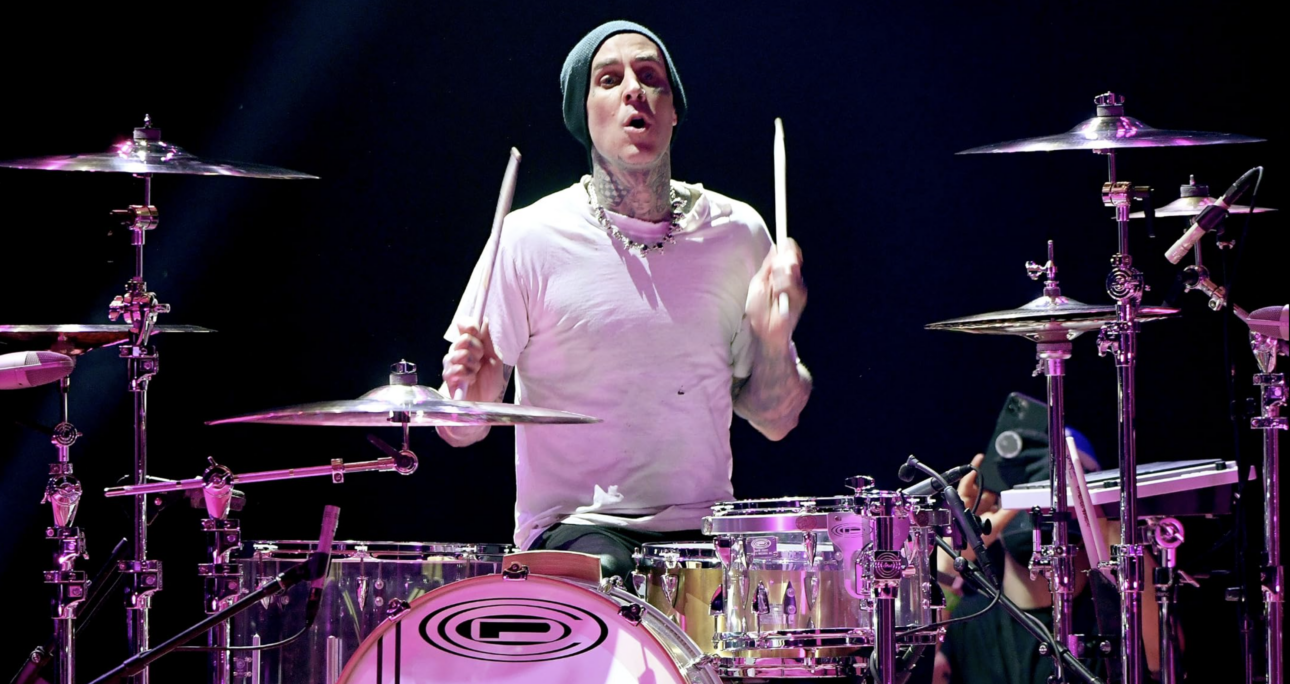
The Travis Barker plane crash of September 19, 2008, remains one of the most harrowing survival stories in modern rock history. On that night, the Blink-182 drummer boarded a private Learjet in South Carolina after a performance and came within moments of dying in a fiery runway overrun that killed four of the six people on board. The accident left Barker with life-altering burns covering most of his body, triggered years of post-traumatic stress, and permanently changed how he approached life, music, and travel. Nearly two decades later, the Travis Barker plane crash continues to shape conversations about private aviation safety, survivor resilience, and the long road from near-death back to the stage.
What Happened That Night in Columbia, South Carolina
After performing with collaborator Adam “DJ AM” Goldstein as TRV$DJAM at a concert near the University of South Carolina, Barker, Goldstein, Barker’s assistant Chris “Lil Chris” Baker, and security guard Charles “Che” Still boarded a chartered Learjet 60 (registration N999LJ) at Columbia Metropolitan Airport. The destination was Van Nuys Airport in California. The two pilots were Captain Sarah Lemmon, 31, and First Officer James Bland, 52.
Just before midnight, during the takeoff roll, one or more tires failed. The aircraft continued down the runway past the decision speed (V1), the pilots attempted to reject the takeoff at a high speed of about 144 knots, and the jet overran the end of the runway. It crashed through the airport boundary fence, crossed a five-lane highway (South Carolina Highway 302), and came to rest against an embankment, where it erupted in flames.
Four people died: both pilots and the two members of Barker’s entourage. Barker and Goldstein were the only survivors. They managed to escape the burning aircraft by opening a door and sliding down the wing. Covered in jet fuel and on fire, they ran, tore off burning clothing, and eventually stopped, dropped, and rolled. A local resident who witnessed the wreckage found them nearby. Both men told first responders that four others were still inside.
Injuries, Hospitalization, and the Immediate Aftermath
Barker suffered second- and third-degree burns over approximately 65 percent of his body (some accounts cite closer to 70 percent). He spent about 11 weeks in burn centers, primarily in Augusta, Georgia, undergoing numerous surgeries, reports range from 16 to more than 26 procedures, including multiple skin grafts and blood transfusions. At points, doctors questioned whether he would walk or play drums again. His high tolerance to opioids, developed from earlier pain management and substance use, complicated anesthesia and recovery.
Goldstein sustained severe burns, particularly to his head and arms, and was hospitalized for a shorter period. The pair became each other’s primary support as they processed the trauma. Eleven months later, in August 2009, Goldstein died of an accidental drug overdose at age 36. Many close to him linked the crash’s psychological toll, pain, anxiety medication, survivor’s guilt, and renewed fear of flying to the circumstances of his death. Barker has spoken about becoming the sole living survivor of the accident and the isolation that brought.
The National Transportation Safety Board (NTSB) investigated the crash thoroughly. The final report identified the primary causes as severely under-inflated tires that failed during the takeoff roll, combined with the decision to abort takeoff after V1. Debris from the tires damaged the hydraulic system, impairing braking. Maintenance issues, including how long it had been since tire pressures were properly checked, and aspects of pilot experience and procedure also factored into the findings. The investigation highlighted design considerations with the aircraft’s systems and contributed to broader discussions about private jet safety protocols, tire maintenance standards, and crew training.
Premonitions, Fear of Flying, and Survivor’s Guilt
Barker has repeatedly described having a bad feeling about the flight. In recent interviews, he has shared that his young daughter Alabama expressed intense anxiety before he left, saying things that later felt prophetic. He already disliked small private planes and had asked about canceling the South Carolina appearance late, only to be told it was not feasible. The last-minute nature of the charter limited the usual questions he preferred to ask about the aircraft and crew.
After the crash, Barker developed severe PTSD. He has described becoming dark, unable to walk down the street without scanning the sky for planes and assuming any aircraft he saw was destined to crash. The images of trying to escape the burning plane and the deaths of friends who were only on the flight because of him haunted him. He refused to fly for 13 years, relying instead on buses, trains, and other ground transportation, which sometimes forced him to miss tour dates or rearrange schedules.
Physical and Emotional Recovery
Recovery was measured in small, hard-won victories. Barker has said that everything doctors told him he could not do, he set out to prove he could. He relearned how to walk, then run. He returned to the drums. He quit the prescription painkillers and heavy marijuana use that had been part of his life, later describing the crash itself as his “rehab.” The forced sobriety, combined with the physical demands of rehabilitation, helped him rebuild both body and mind. He became vegan, prioritized fitness, and channeled energy into music and personal projects.
Therapy helped address survivor’s guilt and PTSD. Over time, the intensity of the flashbacks lessened, though the scars, physical and emotional, remain. Barker has spoken about the dual nature of the experience: the profound loss of friends and the unexpected clarity it brought about what mattered.
Returning to the Sky and a New Chapter
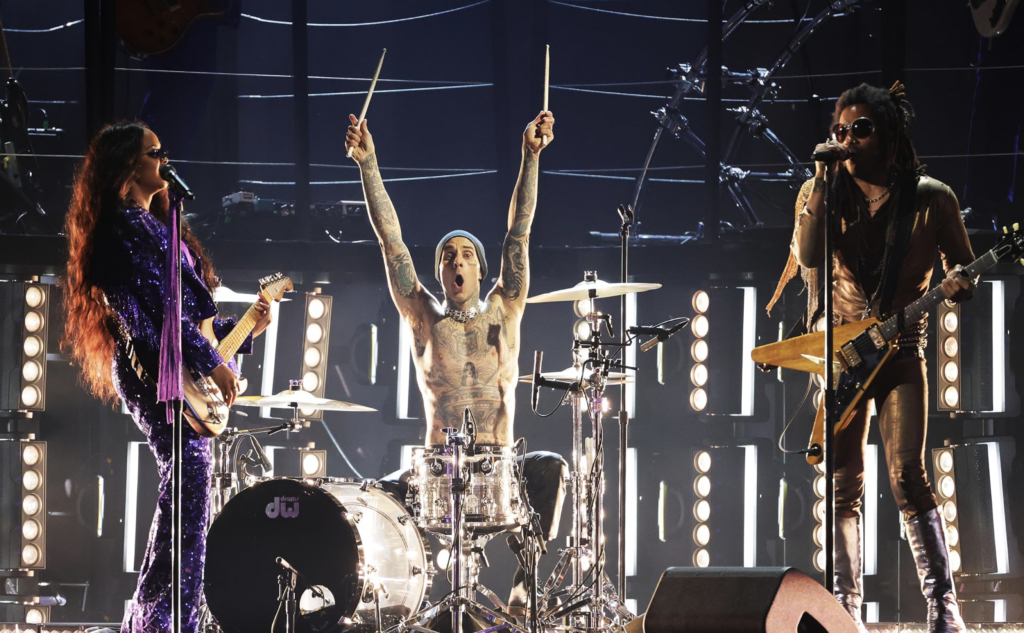
In 2021, more than a decade after the Travis Barker plane crash, he flew again. The support of his then-girlfriend (now wife) Kourtney Kardashian played a significant role in giving him the confidence to confront the fear. He has credited the relationship and his children with providing the hope and motivation to reclaim that part of life. Since then, he has flown multiple times, resumed full touring with Blink-182, and continued expanding his creative work, including production, collaborations, and wellness-related ventures.
A recent documentary, Travis Barker: Louder Than Fear, revisits the crash through police dashcam footage and explores the years that followed. It frames the accident not only as a near-death experience but as a pivotal turning point that tested and ultimately strengthened his resilience. Barker has said he almost died and believes sharing the story can help others.
Lasting Lessons from the Travis Barker Plane Crash
The 2008 accident underscored vulnerabilities in private aviation: the critical importance of proper tire maintenance and pressure checks, adherence to rejected-takeoff procedures, and the need for robust safety systems even on relatively new aircraft. For the public, it became a high-profile reminder that fame and private jets do not eliminate risk.
For Barker personally, the Travis Barker plane crash marked a before-and-after line. It took friends, inflicted permanent physical damage, and imposed years of psychological struggle. It also forced sobriety, renewed focus on family and health, and a deeper appreciation for the second chance he received. He continues to drum at a high level, tour internationally, and live a life that includes air travel once again, something that once seemed impossible.
The story of the Travis Barker plane crash is ultimately one of survival against long odds, the complicated aftermath of trauma, and the possibility of rebuilding. It remains a powerful example of how a single catastrophic night can reshape an artist’s path while leaving an indelible mark on everyone connected to it. Barker’s willingness to discuss the event in interviews and through documentary form keeps the memory of those who did not survive alive and offers insight into the long, nonlinear process of healing after disaster.