
Training at home offers several practical benefits. You can reduce expenses by skipping gym memberships and unused services. Home workouts eliminate the inconvenience of limited operating hours, waiting for equipment, and dealing with poor gym etiquette from other members. For those who feel self-conscious about exercising in public, a home gym provides a private space to focus on fitness goals without distractions.
Building a home gym does not require purchasing everything at once. The key is to start with the basics and expand your equipment as your budget and training needs grow. Begin with protective flooring to safeguard your space—options like Fitness Avenue rubber gym flooring provide impact absorption and protect your subfloor from damage. From there, add versatile equipment that matches your fitness goals. This guide walks you through creating an effective home workout space.
Choosing an Appropriate Space
Not every corner of your home will serve as a suitable gym. Having a small area does not mean you have enough space for an effective workout. A yoga mat beside your washer and dryer, or in a corner of your living room, with minimal equipment, will limit what you can accomplish.
Your workout space should ideally be separate from your regular living area. A spare room, garage corner, or basement section can work well. The separation helps you stay focused during training without interruptions from household activities, pets, or family members.
Consider these factors when selecting your space:
- Adequate floor area for movement and equipment placement
- Ceiling height for overhead exercises
- Ventilation and temperature control
- Access to electrical outlets for any tech additions
If space permits, add motivating elements to your environment. Posters or images that inspire you can help maintain focus during training sessions.
Preparing the Floor
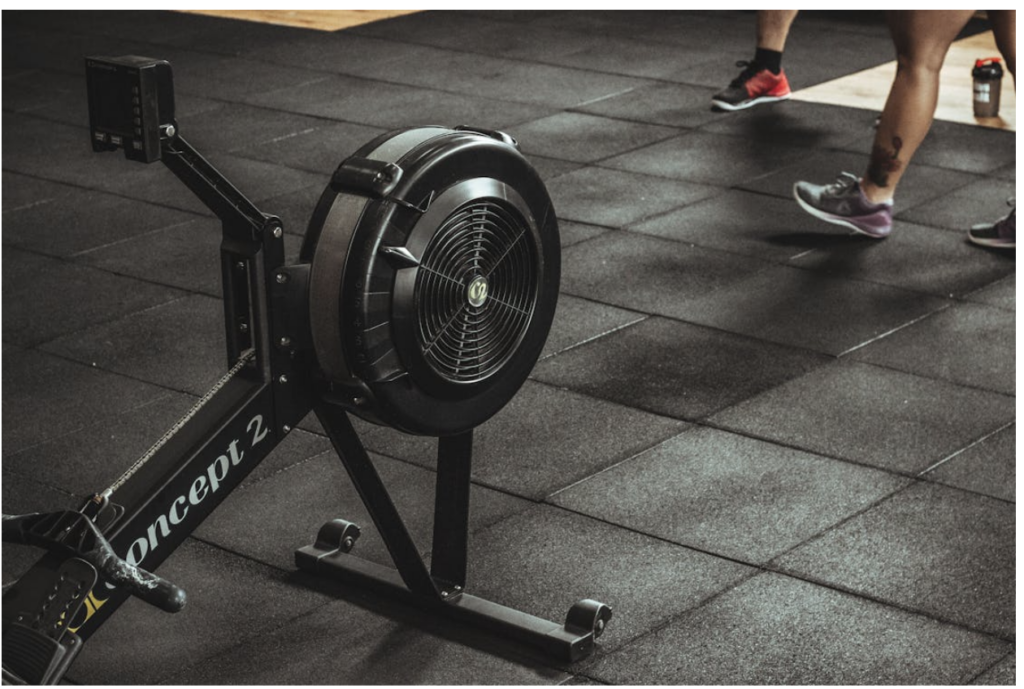
Flooring matters more than many people realize. Protective flooring serves two purposes: it absorbs impact during exercises and protects your subfloor from damage.
Interlocking rubber mats provide an affordable solution for most home gyms. These mats cushion your joints during floor exercises and prevent equipment from scratching or denting your existing floors. If you cannot install permanent rubber flooring, portable mats offer a flexible alternative.
For those training on carpeted floors, choose exercise shoes with strong lateral support and a rubber grip to maintain stability during movements.
Starting with Essential Equipment
You do not need a complete gym setup from day one. Begin with versatile, budget-friendly items that allow you to train multiple muscle groups.
Resistance Bands
Resistance bands are inexpensive and target all muscle groups. Purchase a set with various resistance levels to accommodate different exercises and progression. Both loop bands and bands with handles offer distinct exercise options.
Yoga Mat
A quality mat provides cushioning for floor exercises, stretching routines, and bodyweight movements. This basic item supports everything from planks to ab work.
Jump Rope
Jump ropes deliver effective cardio and high-intensity interval training in minimal space. They improve coordination and cardiovascular fitness without requiring significant investment.
Dumbbells
Start with a few weight options, or invest in adjustable dumbbells that let you adjust resistance levels. Adjustable versions save space while providing the variety needed for progressive overload. A single pair of one weight will limit your exercise options, so aim for a range that challenges you across different movements.
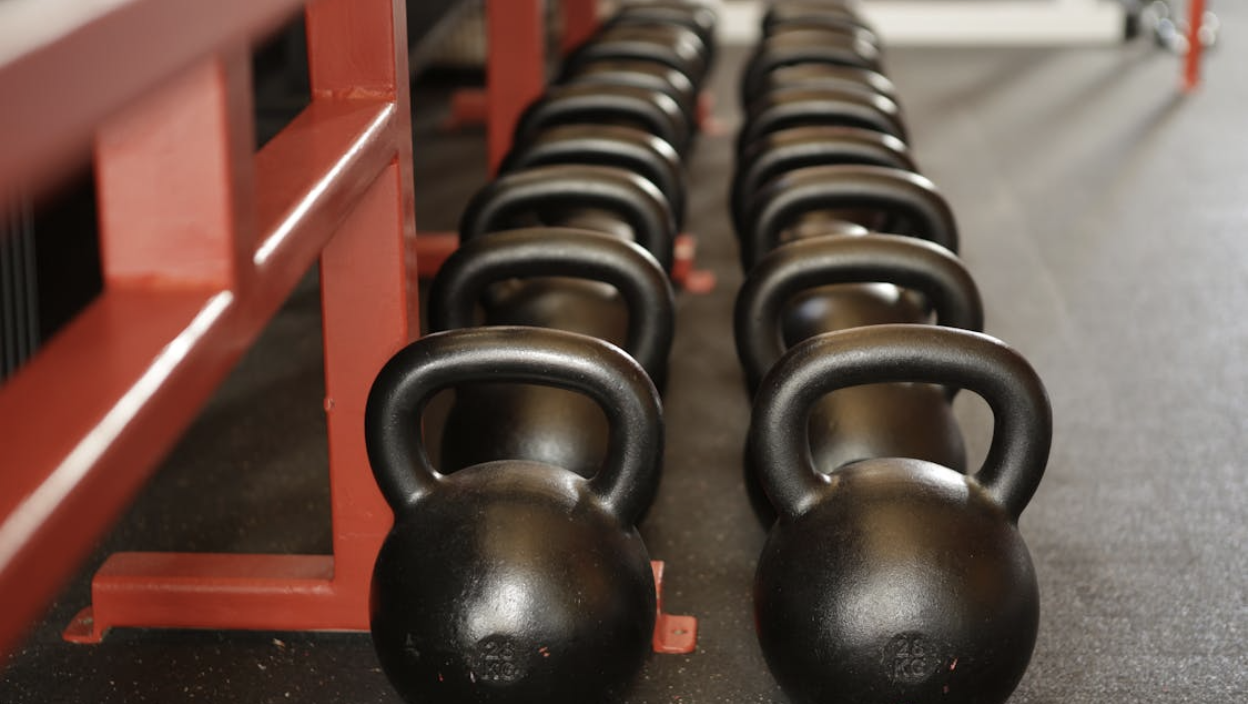
Kettlebell
Kettlebells add variety to strength and cardio training. They perform well for swings, squats, and compound exercises that engage several muscle groups simultaneously.
Adding Intermediate Equipment
Once you have established your foundation, consider adding equipment that expands your exercise options.
Adjustable Bench
A bench opens up seated and lying exercise variations. The ability to adjust angles provides different planes of motion for movements like presses, rows, and flyes.
Pull-Up Bar
Wall-mounted or doorway pull-up bars build back and arm strength. This piece of equipment enables multiple upper-body exercises without taking up floor space.
Power Rack or Squat Stand
For those interested in barbell training, a squat rack or power rack with safety bars allows you to perform squats, bench presses, and rows safely without a spotter.
Barbell and Weight Plates
A barbell setup supports compound lifts and serious strength training. When used with a rack, this equipment lets you perform heavy lifts at home.
Medicine Ball or Sandbag
These tools add dynamic resistance to workouts and support rotational movements that dumbbells cannot replicate.
Foam Roller
Recovery and mobility work should not be overlooked. A foam roller promotes recovery and keeps joints and muscles moving freely between sessions.
Including Functional Additions
Small additions can improve your training experience without requiring significant investment.
- A Bluetooth speaker keeps motivation high during workouts. Music or podcasts help pass the time during longer sessions.
- A tablet or phone mount lets you follow online workout programs or track your workouts. This simple tech addition makes guided training accessible from home.
- A weighted vest adds intensity to bodyweight exercises like push-ups, squats, and lunges. As you progress, this tool helps continue challenging your body without additional equipment.
Following Practical Tips
- Buy secondhand when possible. Weight plates, dumbbells, and benches often appear at garage sales or online marketplaces at reduced prices.
- Focus on your goals. Tailor equipment purchases to match what you want to achieve. Strength training, cardio, and flexibility each require different tools.
- Start small. Build your gym gradually as your budget allows, and your training needs become clearer. You can always add equipment later.
A home gym does not require a large budget or professional setup. With the right space, basic equipment, and a plan for gradual expansion, you can create an effective training environment that supports your fitness goals for years to come.
For more fitness & lifestyle resources, read our latest blog posts here