

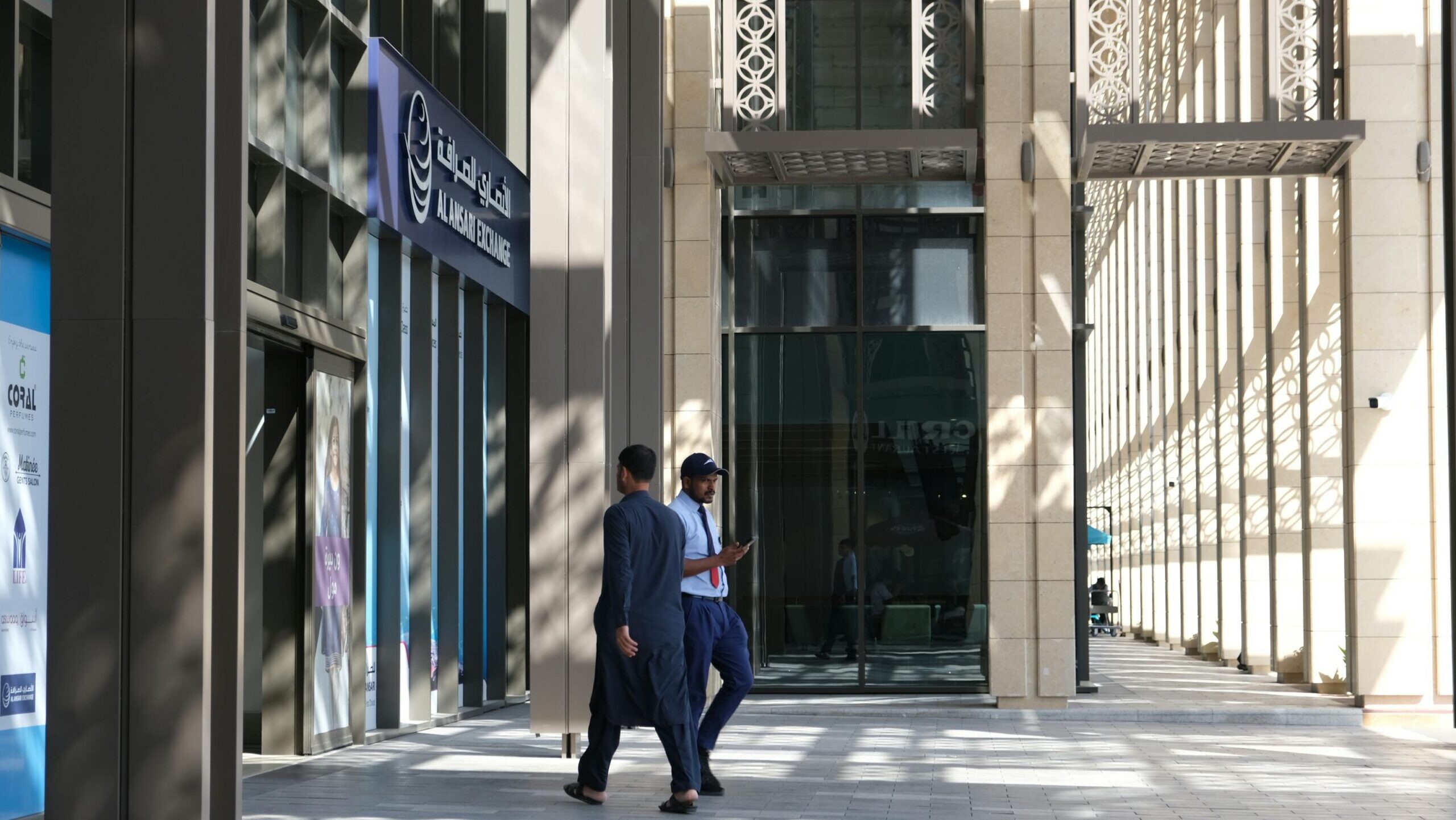
What Dubai’s Business Environment Actually Delivers
Dubai has been talked about for so long, and with such exaggerated language, that it has become difficult to separate myth from mechanism.
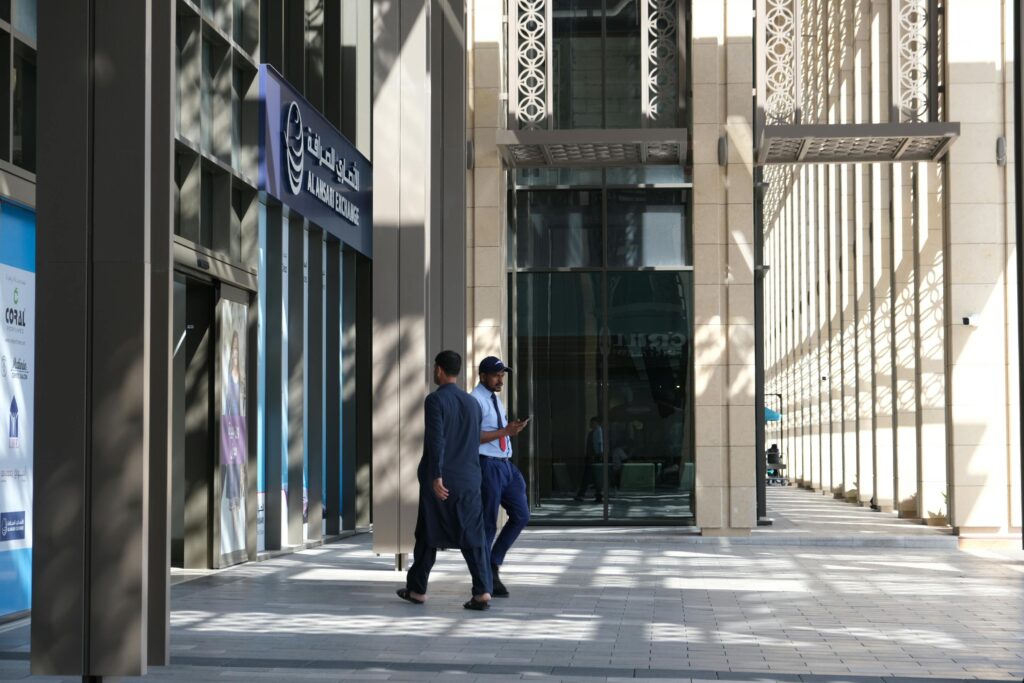
To some, it is a spectacle city—luxury, speed, ambition, glass towers. To others, it is a tax story. Or a real estate story, driven by headlines about properties for sale in Dubai. Or a geopolitical hedge.
But those interpretations miss what actually matters.
Dubai is not a branding exercise. It is an engineered business environment.
It was not built accidentally. It was designed. And because it was designed, it behaves differently from organic, legacy economies that evolved over centuries without coordination.
Dubai does not “feel” like a place where business happens. It functions like one.
Dubai Was Built for Throughput, Not Nostalgia
Most cities grow through layers of history. Dubai was constructed through intent.
It did not inherit centuries of zoning conflicts, fragmented jurisdictions, or decaying infrastructure. It built its systems for movement, speed, and continuity from the beginning.
This matters. A business environment is not about vibes. It is about friction.
- How long does it take to incorporate?
- How predictable is regulation?
- How consistent is enforcement?
- How easy is cross-border operation?
- How fast can people move, work, meet, and transact?
Dubai scores highly on these dimensions not because it is permissive, but because it is structured. It does not rely on cultural inertia. It relies on policy.
The Core Advantage: Predictability
The most valuable thing in business is not opportunity. It is predictability.
Uncertainty kills growth. It slows decision-making. It increases risk premiums. It discourages investment. Dubai’s core advantage is that it minimizes uncertainty.
Rules are explicit. Timelines are short. Expectations are standardized. The legal and regulatory frameworks are designed to reduce ambiguity.
This is why Dubai attracts multinational headquarters, not just entrepreneurs. It is not a place for improvisation. It is a place for planning.
Speed Is Not a Feature—It’s a System
Many cities advertise speed. Few operationalize it. In Dubai, speed is not cultural. It is infrastructural.
Processes are digitized. Government services are centralized. Approvals are streamlined. Systems are integrated. This is not aesthetic modernization. It is throughput engineering.
Businesses that operate across borders understand this immediately. Every day saved on licensing, logistics, or approvals compounds into real advantage.
Speed is not about urgency. It is about removing friction.
Talent Mobility Is Treated as Infrastructure
Dubai does not treat human capital as an abstract concept. It treats it as a logistical asset.
Visa systems are designed to attract, retain, and rotate talent. Work permits are streamlined. Residency is linked to economic participation. This matters because businesses are not abstract entities. They are people.
When people can relocate easily, bring families, access healthcare, and operate without bureaucratic drag, productivity increases. Dubai’s workforce is not accidental. It is curated.
The Geography of Access
Dubai’s location is not symbolic. It is functional.
It sits between Europe, Asia, and Africa. Flights reach most of the world in under eight hours. Trade routes converge here. This matters for physical goods, yes—but also for human networks.
Meetings happen here because it is reachable. Conferences happen here because participants can arrive without friction.
Accessibility is not branding. It is logistics.
The Real Estate Question Is Not About Luxury
Most conversations about Dubai real estate focus on spectacle. That misses the point. Real estate in Dubai functions as business infrastructure.
It is how people anchor operations. It is how firms stabilize presence. It is how executives and employees commit to long-term engagement.
That is why properties for sale in Dubai are not merely lifestyle purchases—they are operational decisions. Businesses require stable bases. Teams require housing. Long-term strategies require physical continuity.
This is not aspirational. It is functional.
Free Zones Are Not Tax Tricks
Dubai’s free zones are often misunderstood as tax loopholes. They are not.
They are controlled environments designed to optimize specific types of business activity: media, finance, logistics, healthcare, technology, trade. Each zone has tailored regulations, ownership rules, and licensing frameworks.
This modular approach allows companies to choose environments that match their operational needs rather than forcing them into one-size-fits-all systems. It is not deregulation. It is specialization.
Capital Moves Where Systems Are Stable
Dubai attracts capital not because it is flashy, but because it is legible.
Investors care about three things: rule clarity, enforcement reliability, and exit pathways. Dubai performs well on all three.
Contracts are enforceable. Ownership structures are explicit. Corporate frameworks are standardized. This reduces perceived risk. And capital always follows reduced risk.
Cultural Diversity Is an Operational Advantage
Dubai is not diverse for marketing reasons. It is diverse because it has built systems that accommodate diversity.
Workplaces are multilingual. Norms are flexible. Professional cultures overlap.
This creates a unique environment where cross-border teams can function without cultural bottlenecks. That kind of environment cannot be improvised. It must be structured.
The Criticism Misses the Mechanism
Critics often accuse Dubai of being artificial. That criticism misunderstands what makes it effective. Artificial systems can be optimized.
Legacy systems often cannot. Dubai did not inherit its constraints. It selected them. That is its real advantage.
What Dubai Does Not Do
Dubai is not a place for ambiguity.
It is not a place for casual compliance. It is not a place for informal arrangements. It is not a place where “we’ll figure it out later” works.
This is not a creative environment in the romantic sense. It is a production environment.
People who thrive here tend to be structured, strategic, and execution-focused.
Risk Is Managed, Not Romanticized
Some business cultures celebrate risk. Dubai manages it. Insurance frameworks are formalized. Legal exposure is clarified. Ownership structures are transparent. This does not eliminate risk. It makes it quantifiable.
Quantifiable risk is manageable.
Growth Is Treated as an Engineering Problem
Many cities talk about growth. Dubai designs for it. Infrastructure is built ahead of demand. Housing stock is planned. Transportation is expanded proactively. This is not luck. It is modeling.
The Long Game Is Clear
Dubai is not experimenting. It is executing a long-term strategy. Diversification away from oil. Investment in technology, logistics, healthcare, education, and tourism. This is not reactive policy. It is directional.
The Psychological Effect of Stability
There is an underrated benefit to predictable systems: they reduce cognitive load. When people do not have to guess how things work, they can focus on what they are building.
That is why founders, executives, and operators often describe Dubai as mentally efficient. They spend less time navigating chaos.
Final Thought
Dubai is not a dream. It is a machine. It is not perfect. No engineered system is.
But it delivers what it promises: speed, structure, predictability, and global accessibility. That is why businesses don’t just visit. They stay. They build. They scale. And they plan for the long term.