

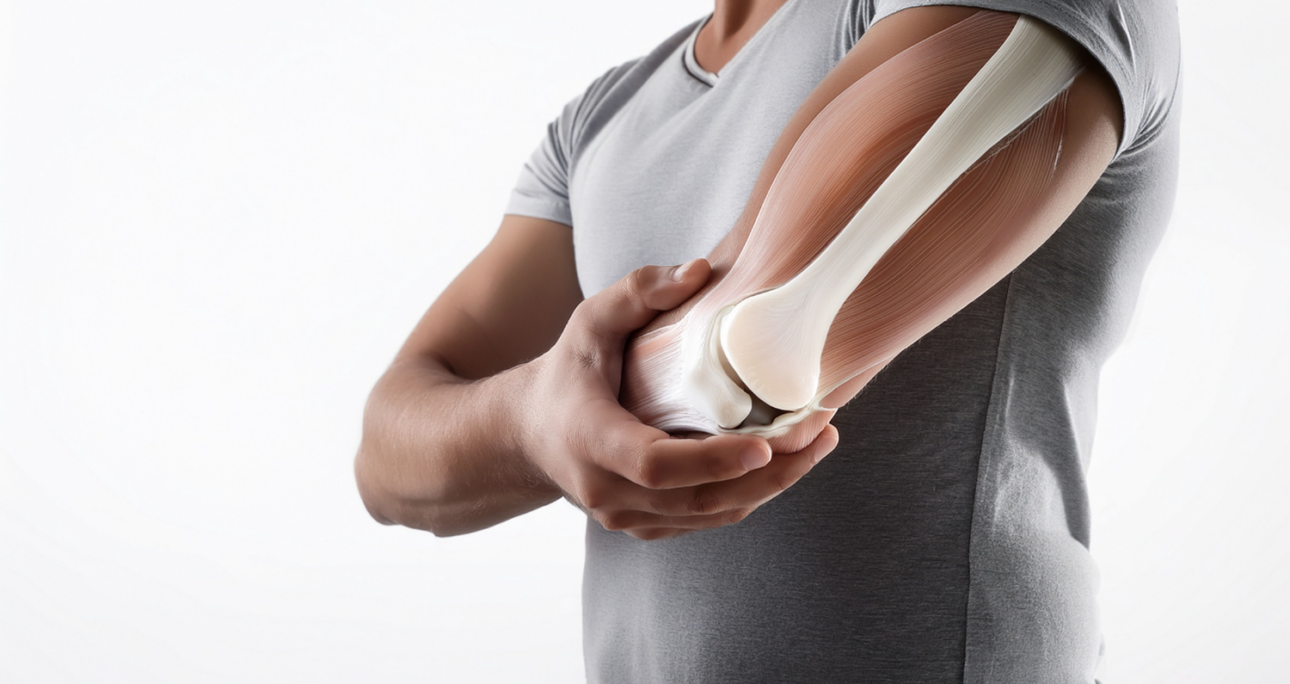
Joints usually get ignored until they start screaming. You skip warm-ups; you sit for nine hours straight; you rush through heavy lifting at the gym because time is short. Friction builds up silently inside cartilage spaces. Most people assume joint degradation belongs strictly to old age, but daily wear tells a completely different story. Constant repetition without adequate recovery breaks down natural padding faster than anyone expects.
Maintaining long-term mobility requires a clear, unfiltered look at how daily habits strain the body. Small adjustments in movement, combined with proper targeted care, change how knees and hips feel years down the line. Balance heavy physical demands with smart, proactive protection.
The Invisible Strain of High-Pressure Routines
Modern schedules place unique demands on the human body. Desk work locks hips into tight angles for hours at a time. Sudden weekend bursts of high-intensity activity shock cold, unprepared tissue. Cartilage lacks a direct blood supply: it relies on fluid movement to stay hydrated and nourished. Static positions starve tissue of fresh nutrients.
Repetitive physical stress compounds over months. You might notice a subtle stiffness on stairs, or maybe a slight ache after short runs around the block. These signals mean natural fluid cushioning inside joint spaces is thinning out. Busy schedules often push people to mask discomfort with quick temporary remedies instead of addressing underlying structural friction.
Painkillers cover up signals. They do not fix mechanical wear. Heavy workloads make it easy to ignore early warning signs until simple tasks become painful chores. Movement needs to stay smooth, lubricated, and supported long before pain forces a full stop.
The continuous grind of daily travel and long commutes adds another layer of silent stress. Sitting in cars or trains for extended periods tightens hip flexors and shuts off glute activation. When you finally stand up and try to move quickly, your lower back and knees absorb forces that your hips should have handled. Over time, this imbalance shifts joint tracking out of alignment, creating micro-tears in soft connective tissue that accumulate without warning.
Direct Interventions and Joint Cushioning Solutions
Rest and basic stretching sometimes fall short when friction reaches a critical threshold. High impact takes a massive cumulative toll on load-bearing frame points. In targeted clinical care, medical professionals turn to specialized hyaluronic acid injections to restore lost volume directly in knee joints. These visco-supplementation treatments work by supplementing degraded synovial fluid: they restore shock absorption directly where cartilage has thinned out over time.
Clinicians and practices sourcing high-purity hyaluronic acid treatments depend on a trustworthy Orthovisc online supplier to ensure consistent quality for patient protocols. Restoring thick, viscous fluid into joint capsules reduces friction immediately during movement. This physical cushion helps active individuals remain mobile while protecting remaining natural cartilage from further mechanical wear.
Medical support functions alongside daily physical habits. Cushioning fluid creates a vital buffer, but personal mechanics dictate how long that relief holds up over time.
Physical Biomechanics and Strategic Protection
How you move shapes how your cartilage holds up. Poor alignment distributes weight unevenly across joint surfaces. A slight turn of the foot or a tilted pelvis concentrates forces on small patches of tissue. Over years, those small concentrated spots wear down to the bone.
Heavy lifting with poor form accelerates this deterioration. Squatting without proper hip depth stresses knee capsules. Running on concrete without adequate support sends shockwaves directly into the lower spine and hips. Correcting form early saves years of unnecessary suffering.
Movement patterns act like tire alignment on a car. Bad alignment destroys tread in months. Proper alignment keeps the system running smoothly across thousands of miles. Pay attention to how your body shifts under heavy weight or high fatigue.
Joints also depend heavily on surrounding muscle groups for stabilization. Weak hamstrings or underactive glutes force knee caps to drag against cartilage grooves out of alignment. Strengthening supporting muscular networks creates a natural bracing system, absorbing heavy kinetic energy before it reaches delicate connective tissues.
Practical Adjustments for Daily Mobility

Protecting joints does not require spending hours on complex movement routines. Focus on high-value physical movements that keep tissue hydrated and resilient throughout chaotic workdays.
- Micro-movement breaks: Stand up every forty-five minutes to reset hip flexion.
- Controlled range of motion: Perform light leg swings and ankle circles before heavy loads.
- Low-impact conditioning: Alternate heavy running with swimming or rowing to give cartilage a break.
Consistency outperforms intensity every single time. Short, targeted mobility work prevents tight muscles from pulling vulnerable structural areas out of proper alignment.
Nutrition, Tissue Recovery, and Long-Term Durability
Cartilage protection extends deep into recovery habits. Sleep supports tissue repair processes across the whole body. Proper daily hydration keeps synovial fluid inside joint cavities thick and functional. Dehydration dries out soft tissues, which makes internal friction much worse during workouts.
Dietary choices support structural tissue health over long horizons. Collagen peptides provide basic building blocks for tissue stability. Omega-3 fatty acids reduce systemic inflammation that degrades cartilage cells. Whole, nutrient-dense foods create an environment where natural repair processes function at their best.
Long-term durability comes down to managing inflammatory responses. Chronic, low-grade inflammation destroys joint structures silently over decades. Reducing processed foods and managing stress levels protects tissue just as effectively as physical therapy.
Micronutrients play an essential supporting role as well. Vitamin C aids direct collagen synthesis inside connective structures, while magnesium relaxes tight surrounding muscular loops that cause uneven joint pull. Deficiencies in these foundational elements make soft tissue fragile and slow to bounce back after tough sessions.
Long-Term Maintenance Strategies
Building a body that lasts requires active planning. Waiting for severe pain to start treatment leaves you playing catch-up. Proactive care keeps tissue thick, hydrated, and resilient.
Combine smart training load management with proper joint protection strategies. Listen to early warning signs like stiffness, clicking, or deep aches. Adjust workouts to accommodate recovery needs instead of pushing through sharp physical discomfort.
Investing in joint care early pays off across decades. You maintain complete freedom of movement, continue favorite sports, and avoid debilitating chronic pain. Simple daily habits, backed by clinical solutions when appropriate, protect your body for the long haul.
Every decade brings shifting physical realities, but mobility does not have to drop off a cliff. Adapting movement habits as life demands change keeps cartilage functional, resilient, and ready for whatever physical challenges come next.