The word clima appears in search bars millions of times every month across Spanish- and Portuguese-speaking regions. People type “clima” when they want to know if it will rain tomorrow, whether next week will be hotter than usual, or how long-term patterns are shifting in their city or country. Yet the term carries far more weight than a simple weather check. Clima refers both to the short-term atmospheric conditions we experience daily and to the long-term averages that shape entire regions, ecosystems, and human societies.
In 2026, understanding clima is no longer optional. Extreme heat events, shifting rainfall patterns, stronger storms, and rising sea levels have moved from scientific projections into everyday reality. This guide explains what clima really means, how it differs from daily weather, why it is changing, and practical ways individuals, communities, and businesses can respond.
What Exactly Is Clima?
Clima describes the typical atmospheric conditions of a place measured over a long period, usually 30 years or more. It includes average temperature, precipitation, humidity, wind patterns, and seasonal cycles. When meteorologists and climate scientists speak of the clima of the Mediterranean, the Amazon, or northern Europe, they refer to these enduring characteristics rather than yesterday’s temperature.
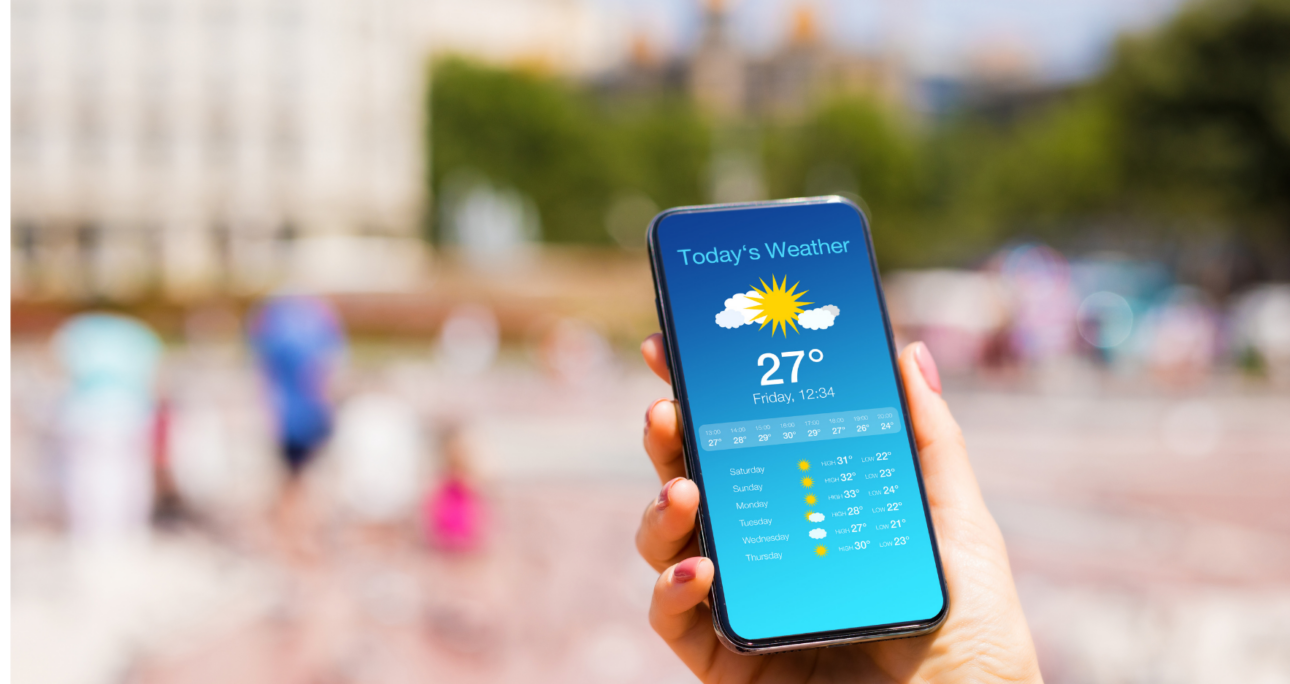
Weather, by contrast, is the temporary state of the atmosphere: today’s rain, this afternoon’s wind, or tomorrow’s heat. Weather changes hour by hour. Clima changes far more slowly, yet those slow shifts produce the most profound consequences.
Think of it this way: weather is the outfit you wear on a given day. Clima is the wardrobe that belongs to the entire season or decade. When the wardrobe itself begins to change, more extreme heat, longer dry spells, heavier downpours, the consequences reach agriculture, health, infrastructure, insurance costs, and daily life.
The Difference Between Weather and Clima
Many people use the two words interchangeably, but the distinction is crucial.
- Weather answers the question: “What is happening outside right now or in the next few days?”
- Clima answers: “What conditions can we normally expect in this region across decades?”
A single unusually hot week does not redefine the clima of a city. A multi-decade rise in average temperatures and a clear increase in the frequency of heatwaves does. Scientists detect changes in clima by analyzing long-term data sets of temperature, precipitation, ocean heat content, ice mass, and atmospheric composition.
In practical terms, when you search for “clima de hoy” or “clima para mañana,” you are looking for weather forecasts. When researchers discuss how the clima of the Andes or the Sahel is shifting, they are examining multi-decadal trends.
Why Clima Is Changing Faster Than in the Recent Past
The primary driver of the current shift in global clima is the rapid increase in greenhouse gases in the atmosphere, mainly carbon dioxide, methane, and nitrous oxide. These gases trap heat that would otherwise escape into space. Human activities, burning fossil fuels for energy and transport, deforestation, industrial processes, and certain agricultural practices, have raised atmospheric concentrations of these gases to levels not seen for hundreds of thousands of years.
The result is a measurable rise in global average temperature. The past decade has consistently ranked among the warmest on record. Ocean heat content continues to climb, ice sheets and glaciers lose mass, and the frequency and intensity of extreme events increase in many regions.
Not every place experiences the same changes. Some areas see more intense rainfall and flooding. Others face prolonged drought. Coastal zones deal with rising sea levels and stronger storm surges. High-latitude and high-altitude regions warm faster than the global average. Understanding local clima trends is therefore as important as grasping the global picture.
How Shifting Clima Affects Daily Life and the Economy
Changes in clima influence far more than outdoor comfort.
Agriculture feels the impact first and hardest. Crop yields depend on reliable seasonal patterns of temperature and rainfall. When those patterns become less predictable, farmers face higher risks of crop failure, increased irrigation needs, and shifting pest ranges. Food prices and supply chains respond accordingly.
Public health is also affected. Heatwaves increase heat-related illness and mortality, especially among the elderly and outdoor workers. Changing temperature and rainfall patterns expand the range of disease-carrying mosquitoes and other vectors. Air quality can worsen during prolonged hot, stagnant periods.
Infrastructure designed for historical clima faces new stresses. Roads, railways, power grids, and drainage systems built for past rainfall intensities may struggle under heavier downpours or extended heat. Coastal defenses require reassessment as sea levels rise.
Businesses and households encounter higher costs through insurance premiums, energy demand for cooling, and supply-chain disruptions. At the same time, new opportunities appear in renewable energy, climate-resilient construction, water management technologies, and sustainable agriculture.
Observing Clima Trends in Your Own Region
You do not need to be a scientist to notice local changes. Useful indicators include:
- Longer or more intense heatwaves
- Shifts in the timing of rainy and dry seasons
- More frequent flash floods or drought periods
- Changes in the flowering or fruiting times of local plants
- Alterations in the presence of certain insects, birds, or fish
- Rising average temperatures recorded by local weather stations over decades
National meteorological services and international organizations publish long-term climate data and regional assessments. Comparing recent decades with mid-20th-century records often reveals clear trends.
Practical Steps to Respond to Changing Clima
While large-scale emissions reductions require policy and industry action, individuals and communities still hold meaningful agency.
At home and in daily life
- Improve energy efficiency through better insulation, efficient appliances, and thoughtful use of heating and cooling.
- Reduce food waste and favor lower-impact dietary choices when possible.
- Choose durable goods and repair rather than replace when feasible.
- Support local water conservation during dry periods.
In communities and workplaces
- Advocate for and participate in urban greening, which reduces heat-island effects and improves local comfort.
- Encourage resilient design in new buildings and infrastructure.
- Support local early-warning systems for extreme weather.
- Engage with municipal climate adaptation plans.
At the larger scale
- Back policies that accelerate the transition to clean energy and protect natural carbon sinks such as forests and wetlands.
- Demand transparency from companies about their climate-related risks and emission pathways.
- Stay informed through reliable scientific sources rather than social-media claims.
Adaptation and mitigation work together. Reducing future emissions limits how severe the changes become. Preparing for the changes already underway protects lives and livelihoods in the meantime.
Clima Literacy as a 21st-Century Skill
In 2026, basic literacy about clima has become as useful as financial or digital literacy. Understanding the difference between short-term weather and long-term climate patterns helps people interpret forecasts correctly, evaluate news claims, and make better decisions about housing, travel, investment, and health.
Search data show that interest in “clima” remains extremely high because the information is practical and immediate. People want to know what to expect tomorrow, next month, and in the coming decades. Providing clear, accurate explanations of both the daily weather and the longer climatic context meets that demand.
Looking Ahead
The clima of the planet is not static. It has always changed across geological time, but the current rate and direction of change are strongly influenced by human activity. The choices made in this decade will shape the climatic conditions that future generations inherit.
By understanding what clima means, tracking local and global trends, and taking practical steps at every level, from household habits to policy support, we can reduce risks and build greater resilience. The search for “clima” begins with a simple question about the weather. The deeper conversation it opens is about the kind of world we are creating.
Stay curious, check reliable sources, and keep learning. The atmosphere is changing, and informed citizens remain one of the most powerful forces for constructive response.