

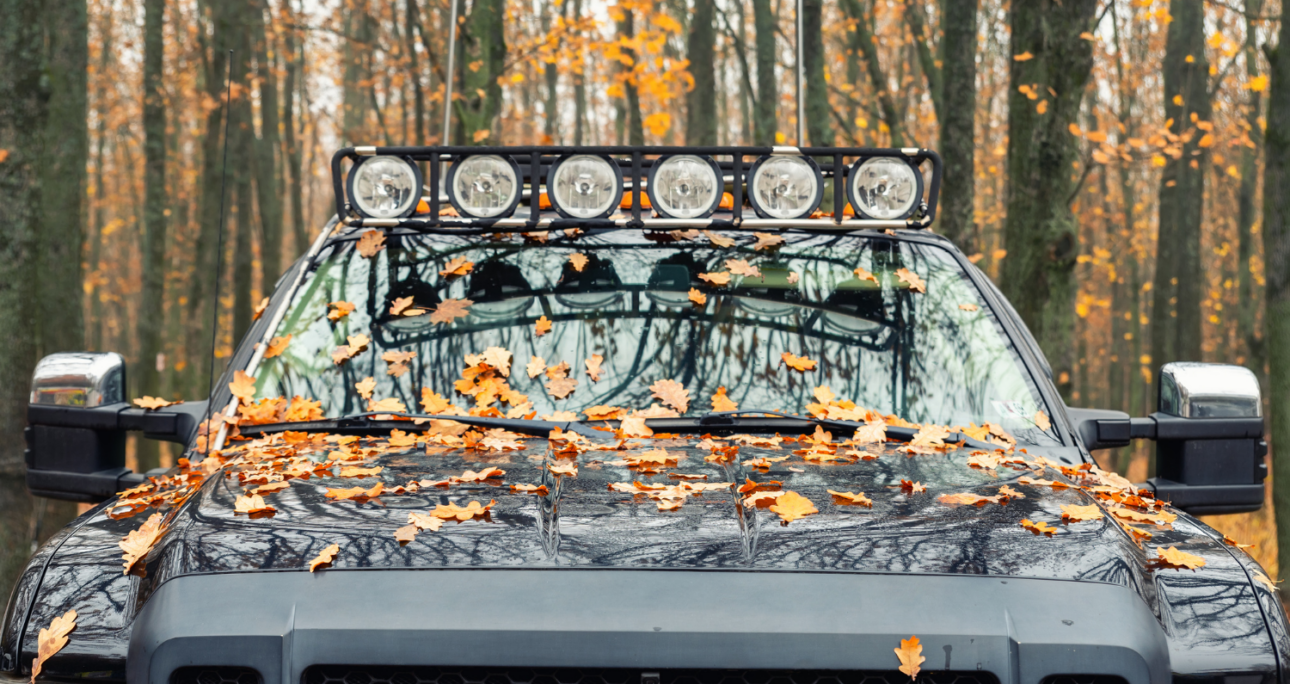
Chase lights can be a useful addition to Jeeps, trucks, and other off-road vehicles that regularly travel in dusty, dark, or low-visibility environments. Unlike forward-facing driving lights, chase lights are generally positioned toward the rear of the vehicle so other drivers can more easily see where the vehicle ahead is located. Their effectiveness depends heavily on where they are mounted.
Choosing between a roof-mounted and bumper-mounted setup requires more than simply selecting the location that looks best. Height, visibility, dust conditions, vehicle accessories, wiring, and trail use can all affect how well the lights perform. Compact pod lights can provide flexibility because their smaller size makes them easier to position on different parts of a vehicle.
Higher mounting positions can improve visibility in certain situations, while lower bumper-mounted positions may offer easier installation and a cleaner overall appearance. The best choice ultimately depends on how the Jeep or truck is used and what other equipment is already installed.
Understanding the benefits and limitations of each position can help drivers build a more effective rear-lighting setup without adding unnecessary equipment.
Benefits of Mounting Chase Lights Up High
Roof-mounted chase lights have one major advantage: visibility. Placing the light higher on the vehicle can make it easier for another driver to see, particularly when multiple vehicles are traveling through dust or uneven terrain.
Dust can significantly reduce visibility on off-road trails. When a vehicle ahead creates a large cloud, lower-mounted lights may become partially obscured. A light positioned higher on the rear of a roof rack or similar mounting point can remain easier to identify above some of the dust.
Height can also help when vehicles are separated by terrain changes. On trails with dips, rocks, or uneven elevation, a higher light may remain visible even when the lower portion of the vehicle becomes temporarily hidden.
Roof-mounted lighting can be especially useful for Jeeps or trucks that already have racks, cargo systems, or mounting bars in place. These components may provide convenient attachment points without requiring modifications to the bumper.
However, high mounting has disadvantages. Wiring can be more complicated because electrical cables may need to travel from the engine compartment or battery area toward the roof and then to the rear of the vehicle. Routing those wires cleanly and protecting them from weather or abrasion requires careful planning.
Roof height can also become a concern. Lights mounted above an already tall vehicle may reduce clearance in garages, parking structures, or areas with low branches. Drivers who regularly carry kayaks, rooftop tents, or other cargo should also consider whether the lighting will interfere with those accessories.
A high-mounted fixture should be securely attached because roof-mounted equipment may experience considerable vibration while traveling over rough terrain. Loose brackets can cause the beam to move and may eventually damage the light or mounting surface.
Why Chase Light Placement Matters
Proper placement determines whether chase lights actually improve rearward visibility. A light that is powerful but partially blocked by a spare tire, bumper, cargo carrier, or other accessory may provide less benefit than a smaller light installed in a clear location.
Drivers should begin by standing behind the vehicle and identifying which areas remain visible from several different distances. The ideal position should allow the light to be seen without requiring someone behind the vehicle to be perfectly centered.
Spare tires are a common consideration on Jeeps. A center-mounted rear spare can block lights positioned too close to the middle of the vehicle. Mounting lights toward the sides or above the tire can help maintain visibility.
Truck beds create different challenges. A chase light mounted too low behind the tailgate may not be as visible when the truck is loaded with equipment. Roof racks, bed racks, or headache racks can sometimes provide higher mounting locations.
Beam direction matters as much as height. Chase lights are generally intended to make the vehicle easier to identify rather than illuminate a long distance behind it. Aiming them directly into the eyes of another driver can create glare and reduce visibility instead of improving it.
Spacing can also affect the lighting pattern. Two lights mounted toward opposite sides of the vehicle can make its width easier to judge, while a single centered fixture may provide a simpler installation. The appropriate arrangement depends on the vehicle and available mounting locations.
Color should also be considered. Drivers should make sure any lighting configuration complies with applicable rules, particularly if the vehicle will travel on public roads. Certain colors may be restricted or associated with emergency vehicles depending on the jurisdiction.
The lighting system should also have a dedicated switch so it can be activated only when appropriate. Trail lighting and street lighting serve different purposes, and drivers should be able to control them independently.
Bumper-Mounted Setup Makes More Sense
For many Jeep and truck owners, the bumper can be the most practical place for chase lights. Bumper mounting keeps the fixtures relatively close to existing wiring routes and often allows owners to use brackets that are already part of an aftermarket bumper.
Installation can therefore be simpler than routing wires to the roof. Shorter wiring runs may also make it easier to keep cables protected and organized.
A bumper-mounted setup can create a cleaner appearance as well. Drivers who do not want additional equipment above the roofline may prefer integrating chase lights into the rear bumper or another lower mounting point.
Lower-mounted lights can also be easier to inspect and maintain. Mud, dirt, and dust will still accumulate, but owners can usually reach the fixtures without climbing onto the vehicle. This makes cleaning lenses or tightening brackets more convenient.
There are tradeoffs, though. A low-mounted light may become hidden by dust, mud, deep water, or terrain. It can also be more vulnerable to rocks and trail debris.
Rear accessories may interfere with the beam. Spare tires, recovery equipment, trailer hitches, license plate mounts, and cargo carriers can all block or partially cover a bumper-mounted fixture.
Testing visibility before final installation can prevent this problem. Drivers can temporarily position the lights and view the vehicle from behind at several distances before drilling holes or permanently mounting brackets.
Bumper height should also be considered. Lifted trucks may still position bumper-mounted lights relatively high, while stock-height vehicles may place them closer to the ground. The same mounting strategy will not perform identically on every vehicle.
For owners who primarily run moderate trails or want a straightforward installation, bumper mounting can provide a practical balance between visibility, protection, and installation simplicity.
Choosing the Best Location for Your Jeep or Truck
The best location depends on the complete vehicle setup. A Jeep with a rear spare tire and roof rack may benefit from higher-mounted lighting, while a pickup with an open rear bumper and no bed rack may have an easier time using a lower position.
Trail conditions should influence the decision. Drivers who regularly travel in large groups on dusty desert trails may benefit more from elevated chase lighting. Those who use wooded trails, where low branches can strike roof-mounted equipment, may prefer keeping the lights closer to the bumper.
Vehicle height matters too. A lifted truck can often position bumper-mounted lights higher than a stock vehicle. In some cases, that may provide enough visibility without adding anything to the roof.
Owners should also think about other lighting already installed. Rear work lights, rock lights, cargo lights, and chase lights should each have a clear purpose. Installing multiple fixtures that all illuminate the same area can add electrical load and visual clutter without improving visibility.
Wiring should be planned before deciding on a final location. Cables need to stay away from exhaust components, sharp edges, moving suspension parts, and other hazards. Weather-resistant connections and proper circuit protection can help make the installation more dependable.
Switch placement is important as well. Drivers should be able to identify and control the chase lights easily without confusing them with other auxiliary lighting.
Aiming should be tested after dark. Park the vehicle in a safe area and view the lights from different distances and angles. The goal is to make the vehicle noticeable without producing excessive glare for drivers behind it.
Owners comparing different setups can explore the Baja Designs Squadron 2.0 and other lighting options to determine which fixture size, output, and mounting arrangement best fits their vehicle.
Regular inspections are useful once the installation is complete. Trail vibration can loosen mounting hardware, while mud and dust can reduce light output. Cleaning lenses and checking brackets periodically helps keep the system performing as intended.
Conclusion
Roof-mounted and bumper-mounted chase lights can both work well, but each location offers different advantages. High mounting generally improves visibility above dust and terrain, while bumper mounting can provide easier installation, simpler wiring, and a cleaner appearance.
The best choice depends on vehicle height, trail conditions, rear accessories, roof equipment, and how the Jeep or truck is typically used. Drivers should also consider whether spare tires, cargo, or other components could block the light from certain angles.
Rather than choosing a location based only on appearance, owners should test visibility, plan wiring carefully, and consider how the setup will perform in real trail conditions. A properly positioned chase light can make a vehicle easier to identify from behind and contribute to a more organized lighting system for nighttime and low-visibility off-road driving.
Also Read: Lenovo in 2026: New Laptops, AI Tools, and What’s Next