


The Karen Read Case: What You Need to Know
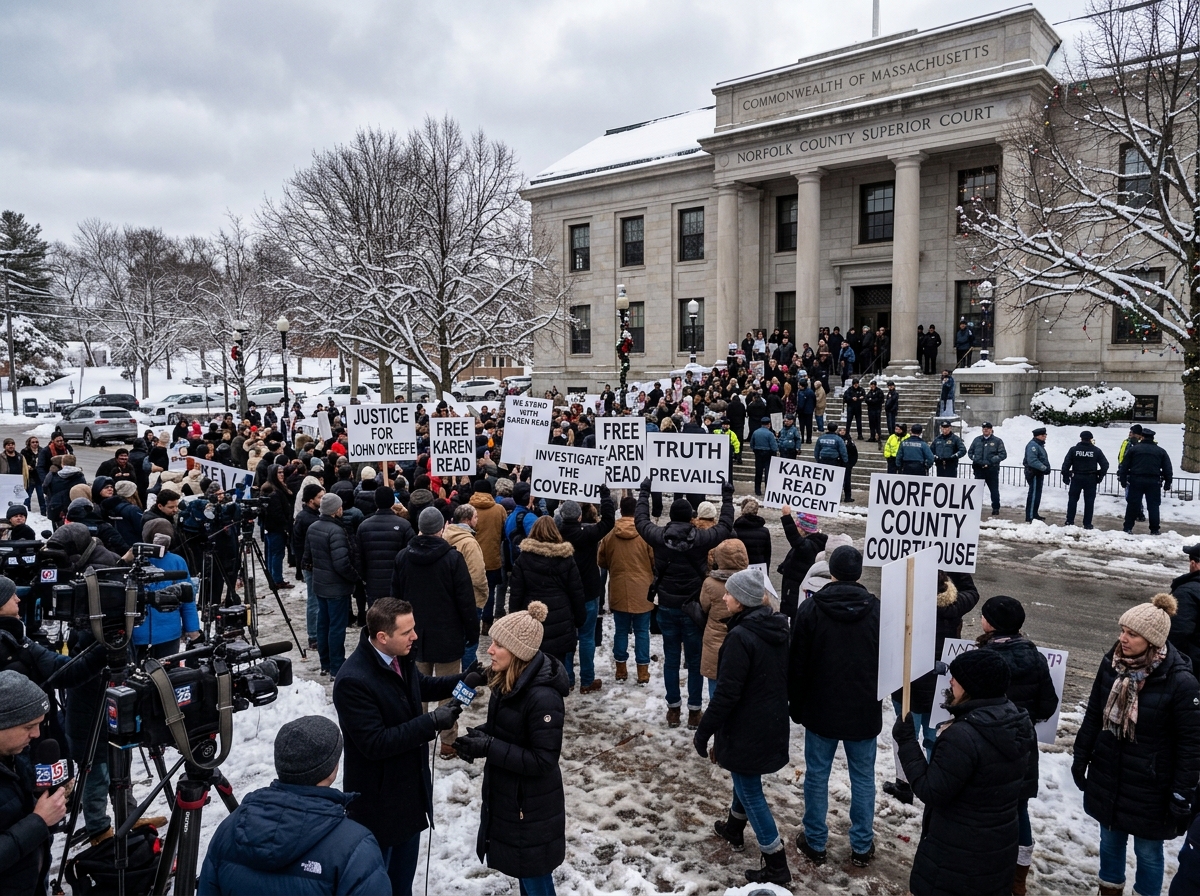
Karen Read is a Massachusetts woman who faced two criminal trials for the 2022 death of her boyfriend, Boston Police Officer John O’Keefe. Her case became one of the most watched — and most debated — true crime stories in recent American history.
Quick summary for those who want the key facts:
- Who: Karen Read, a former Fidelity equity analyst, and the late John O’Keefe, a Boston Police Officer
- What happened: O’Keefe was found unconscious on January 29, 2022, on the lawn of a fellow officer’s home in Canton, Massachusetts. He died from blunt force trauma and hypothermia.
- Prosecution’s claim: Read struck O’Keefe with her SUV and left him to die
- Defense’s claim: O’Keefe was beaten inside the home and Read was framed in a law enforcement cover-up
- First trial (2024): Ended in a mistrial after the jury deadlocked
- Second trial verdict (June 18, 2025): Acquitted of second-degree murder, manslaughter, and leaving the scene — convicted only of operating under the influence (OUI) with one year of probation
The case drew massive public attention — not just because of the crime itself, but because of what it revealed about alleged police misconduct, evidence handling, and the limits of the justice system.
Over two trials, more than 1,000 jurors were summoned, the state spent over $1.4 million on the retrial alone, and lead investigator Michael Proctor was ultimately fired for sending derogatory texts about Read and sharing sensitive case information.
The story is far from over. Civil lawsuits, a federal investigation, and ongoing legal battles continue to unfold.
The Night of January 29, 2022: The Death of John O’Keefe
The tragedy began on a frigid, snowy night in Canton, Massachusetts. After a night of drinking at local bars, Karen Read dropped off her boyfriend, John O’Keefe, at a house party on Fairview Road. The home belonged to fellow Boston Police Officer Brian Albert. What happened in the following hours remains the subject of intense debate, but at 6:03 AM, O’Keefe’s body was discovered on the front lawn of the Albert residence.
The scene was harrowing. O’Keefe was found unconscious amidst a rising nor’easter, suffering from severe blunt force trauma to the head and hypothermia. Despite the efforts of first responders, he was pronounced dead. For those looking for a deep dive into the nightly developments of the courtroom saga, The Karen Read Murder Trial: Canton Confidential provides an exhaustive look at how these events were dissected during the trials.
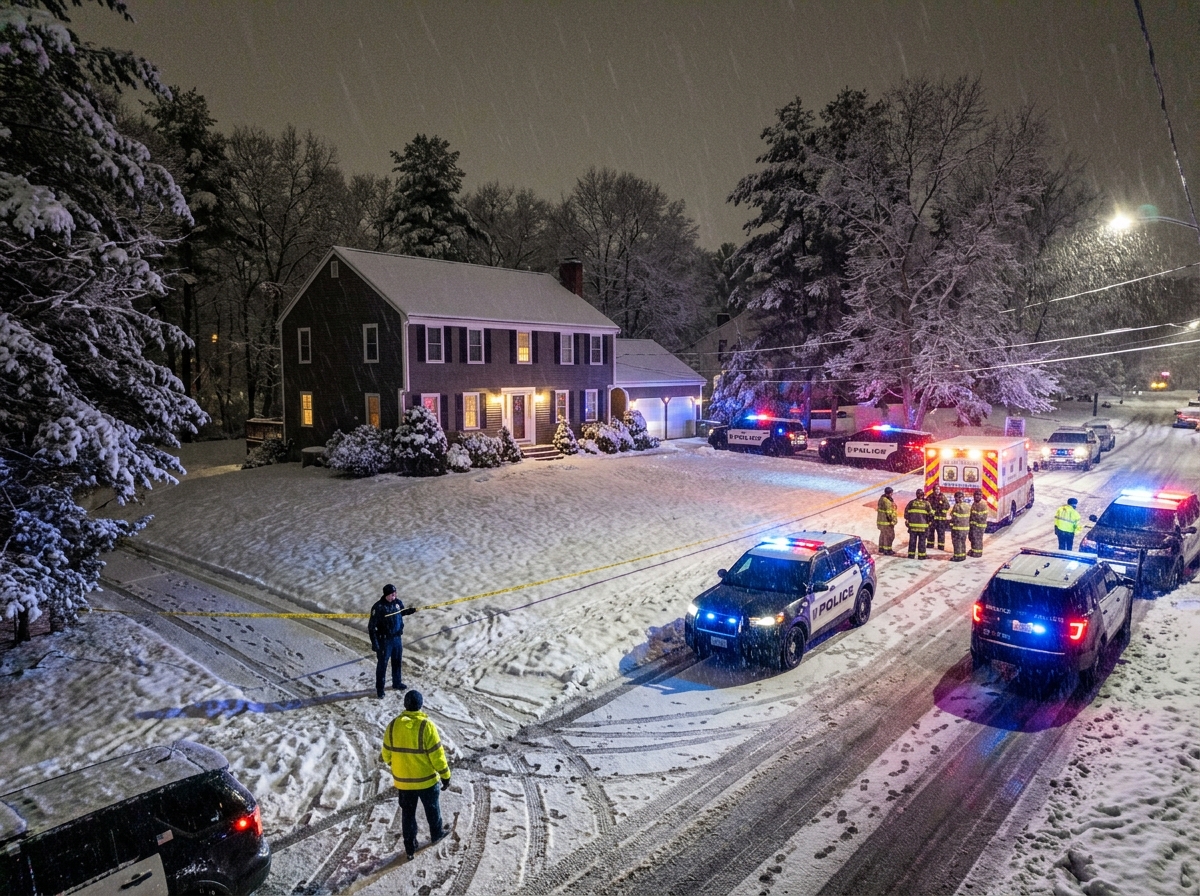
The investigation was immediately complicated by the relationships between the people inside the house and the law enforcement officers arriving on the scene. Jennifer McCabe, Brian Albert’s sister-in-law, was among those who helped Read search for O’Keefe that morning. The discovery of the body set off a chain reaction that would eventually divide the town of Canton and capture the attention of our offices in New York City and Los Angeles alike.
Key Allegations and the Prosecution’s Theory
The Commonwealth’s case against Karen Read was built on the theory that a domestic dispute turned fatal. Prosecutors alleged that Read, in a state of intoxicated rage, backed her Lexus SUV into O’Keefe at approximately 24 miles per hour, leaving him incapacitated in the snow to die from his injuries and the elements.
To support this, the prosecution pointed to several key pieces of evidence:
- Taillight Fragments: Investigators found pieces of red plastic at the scene that they claimed matched Read’s broken right rear taillight.
- Lexus Techstream Data: Forensic experts testified that the vehicle’s computer recorded a “reverse power event” consistent with a high-speed backing maneuver at the time of the incident.
- Incriminating Statements: Several witnesses, including a paramedic and Kerry Roberts (a friend of O’Keefe), testified they heard Read screaming “I hit him! I hit him!” or “Could I have hit him?” upon finding the body.
- Evidence Collection: In a detail that later drew significant criticism, blood samples from the snow were collected using Solo cups and stored in grocery bags, a method the defense argued compromised the integrity of the investigation.
The Defense Theory and the Alleged Cover-Up in the Karen Read Case
The defense, led by high-profile attorneys Alan Jackson and David Yannetti, presented a narrative that felt like a Hollywood thriller. They argued that Karen Read was a “convenient outsider” framed by a close-knit group of law enforcement insiders to protect one of their own.
According to the defense theory, O’Keefe actually entered the Albert home, where a physical altercation occurred involving individuals like Brian Higgins or Brian Albert’s nephew, Colin Albert. They posited that O’Keefe was beaten, bitten by the Alberts’ German Shepherd, Chloe, and then dumped on the lawn to make it look like a hit-and-run.
Central to this “third-party culprit” theory was the allegation of evidence planting. The defense suggested that the taillight fragments found at the scene were actually planted by police after Read’s car was taken into custody. A pivotal moment for the jury was the sallyport video, which the defense argued showed the vehicle in a way that suggested tampering. Furthermore, the defense highlighted that many of the investigators claimed qualified immunity during civil proceedings, a legal shield that often protects police from liability but added to the public’s perception of a “blue wall of silence.”
Key Evidence Against Karen Read: Taillights and Texts
Perhaps the most damaging element for the prosecution’s credibility was the conduct of lead investigator Michael Proctor. During the trial, it was revealed that Proctor had sent a series of “whack job” texts and other derogatory messages about Karen Read to his friends and superiors. He admitted to calling her a “cunt” and stating he hoped she would kill herself. This unprofessional behavior became a cornerstone of the defense’s argument that the investigation was biased from the start.
Other contentious points of evidence included:
- The Missing Dog: The Alberts’ dog, Chloe, was rehomed shortly after the incident. The defense argued that wounds on O’Keefe’s arms were missing dog bites rather than scratches from a car, but the animal was never made available for forensic testing.
- The Google Search: A forensic expert initially claimed Jennifer McCabe searched “hos long to die in cold” at 2:27 AM—hours before the body was found. While the prosecution disputed the timing (claiming it happened later), it remained a powerful “smoking gun” for Read’s supporters.
- FBI Crash Experts: Highly unusual for a state murder trial, the Department of Justice hired independent crash reconstruction experts. These experts testified that O’Keefe’s injuries were scientifically inconsistent with being struck by a motor vehicle.
- DNA Analysis: While O’Keefe’s DNA was found on the taillight, the defense argued this was the result of cross-contamination or intentional planting.
Trial Outcomes: Verdicts and Jury Deliberations
The legal saga spanned two grueling criminal trials. The first trial in 2024 ended in a mistrial when the jury informed Judge Beverly Cannone they were hopelessly deadlocked. This led to a massive expenditure of state resources for the retrial, totaling over $1.4 million. The scale was unprecedented: over 1,000 people were summoned for jury duty, and the defense and prosecution called a combined 49 witnesses in the second trial alone.
The jury’s task was to determine if the prosecution could not meet the burden of proof regarding the most serious charges. For many, the case was a matter of “reasonable doubt” defined by the conflicting expert testimonies and the tarnished reputation of the lead investigator.
The Foreman’s Reveal and the OUI Conviction
After days of intense deliberation in the second trial, the jury finally reached a verdict on June 18, 2025. The foreman, Charlie DeLoach, later shared insights into the process, noting that the “Aha!” moments regarding forensic inconsistencies and the sallyport video were vital to their decision-making.
The following table summarizes the dramatic shift between the charges and the final outcomes:
| Charge | First Trial (2024) | Second Trial (2025) |
|---|---|---|
| Second-Degree Murder | Deadlocked (Mistrial) | Not Guilty |
| Manslaughter | Deadlocked (Mistrial) | Not Guilty |
| Leaving the Scene | Deadlocked (Mistrial) | Not Guilty |
| Operating Under the Influence (OUI) | Deadlocked (Mistrial) | Guilty |
Karen Read was acquitted of all charges related to O’Keefe’s death. She was convicted only of the misdemeanor charge of Operating Under the Influence (OUI). For this, she was sentenced to one year of probation and required to participate in driver alcohol education programs.
Post-Trial Developments and Current Status
While the criminal murder charges are resolved, the fallout continues to ripple through the Massachusetts legal system. The town of Canton remains deeply divided, with a “buffer zone” frequently established outside the courthouse to manage the vocal “Free Karen Read” protesters who believe she is a victim of a systemic frame-up.
One of the most significant consequences of the trial was the firing of Michael Proctor. The Massachusetts State Police officially terminated him in 2025 following an internal investigation into his derogatory texts and investigative failures. Furthermore, the Norfolk District Attorney, Michael Morrissey, has faced intense scrutiny and a federal probe into his office’s handling of the case. For those following the broader implications of the case, our dedicated page on karen-read offers ongoing updates on the social and legal impact of this story.
Read has also moved to the offensive, filing a federal civil rights lawsuit against several witnesses and investigators. In response, the Alberts, McCabes, and Brian Higgins have filed Strategic Litigation Against Public Participation (anti-SLAPP) motions, arguing that Read’s lawsuit is a “transparent act of revenge” designed to intimidate those who testified against her.
The Current Legal Status of Karen Read
As of late 2025, several legal actions remain active:
- Wrongful Death Suit: The family of John O’Keefe has filed a civil wrongful death lawsuit against Karen Read and the bars where she was drinking on the night of the incident.
- Federal Investigation: The U.S. Attorney’s Office continues to investigate potential civil rights violations and obstruction of justice within the Norfolk County District Attorney’s office and local police departments.
- Sandra Birchmore Connection: Read’s legal team has sought links to the Sandra Birchmore case, another Norfolk County death investigation involving local police that was recently reopened by federal authorities.
- Civil Rights Litigation: Read’s lawsuit against the “witnesses” and investigators is currently making its way through federal court, facing multiple motions to dismiss.
Frequently Asked Questions about the Case
What was the final verdict for Karen Read?
On June 18, 2025, a jury found Karen Read not guilty of second-degree murder, manslaughter while operating under the influence, and leaving the scene of a personal injury. She was convicted only of a misdemeanor OUI charge and sentenced to one year of probation.
Who is Michael Proctor and why was he fired?
Michael Proctor was the lead investigator for the Massachusetts State Police in the O’Keefe death investigation. He was fired in March 2025 after his derogatory and unprofessional text messages about Karen Read were made public during the trial. His conduct was cited as a major reason for the lack of public and jury confidence in the prosecution’s case.
What is the “hos long to die in cold” search?
This refers to a Google search found on the phone of Jennifer McCabe. The defense argued the search was made at 2:27 AM, suggesting the people in the house knew O’Keefe was dying in the snow long before his body was “discovered.” The prosecution maintained the search happened after 6:00 AM and was done at Read’s request. It remains one of the most controversial pieces of digital forensics in the case.
Conclusion
The Karen Read case is a landmark example of how digital forensics, social media activism, and questions of police integrity can transform a local tragedy into a national obsession. At R. Couri Hay Creative Public Relations, we understand the complexities of high-stakes legal PR and how public perception can be as influential as the evidence presented in court.
This case has left an indelible mark on the justice system in Massachusetts, prompting audits of local police departments and a renewed focus on transparency in death investigations. As the civil trials and federal probes continue, the search for definitive answers in the death of John O’Keefe remains a priority for the community. For more insights into high-profile cases and the intersection of law and public life, visit our More info about gossip and lifestyle news page. We remain committed to providing our clients in New York, Palm Beach, and beyond with the most sophisticated analysis of the stories that shape our world.