

Few names in modern entertainment carry the staying power of Adam Sandler. For over three decades, he has moved fluidly between raucous comedy, heartfelt family films, and quietly devastating dramatic performances, all while building one of the most loyal fan bases and durable box-office brands in the industry. Whether you know him from Billy Madison, Uncut Gems, or his ongoing run of Netflix originals, Sandler’s career is a masterclass in reinvention without ever losing his core identity.
Early Life and the Road to Comedy
Adam Sandler was born on September 9, 1966, in Brooklyn, New York, and later raised in Manchester, New Hampshire. He started performing stand-up comedy as a teenager, cutting his teeth in New York City clubs before enrolling at New York University’s Tisch School of the Arts. It was during this period that Sandler began developing the comedic voice, a blend of childlike absurdity, sincerity, and irreverence, that would define his entire career.
His big break came in 1990 when he joined Saturday Night Live, initially as a writer before becoming a featured player. Sandler quickly became known for a string of memorable original characters and musical bits, most notably his “Opera Man” sketches and holiday-themed songs that became annual pop-culture touchstones. His SNL tenure, which ran through 1995, established him as a bankable comedic personality and set the stage for a film career that would soon eclipse his television work entirely.
The Rise of a Comedy Powerhouse
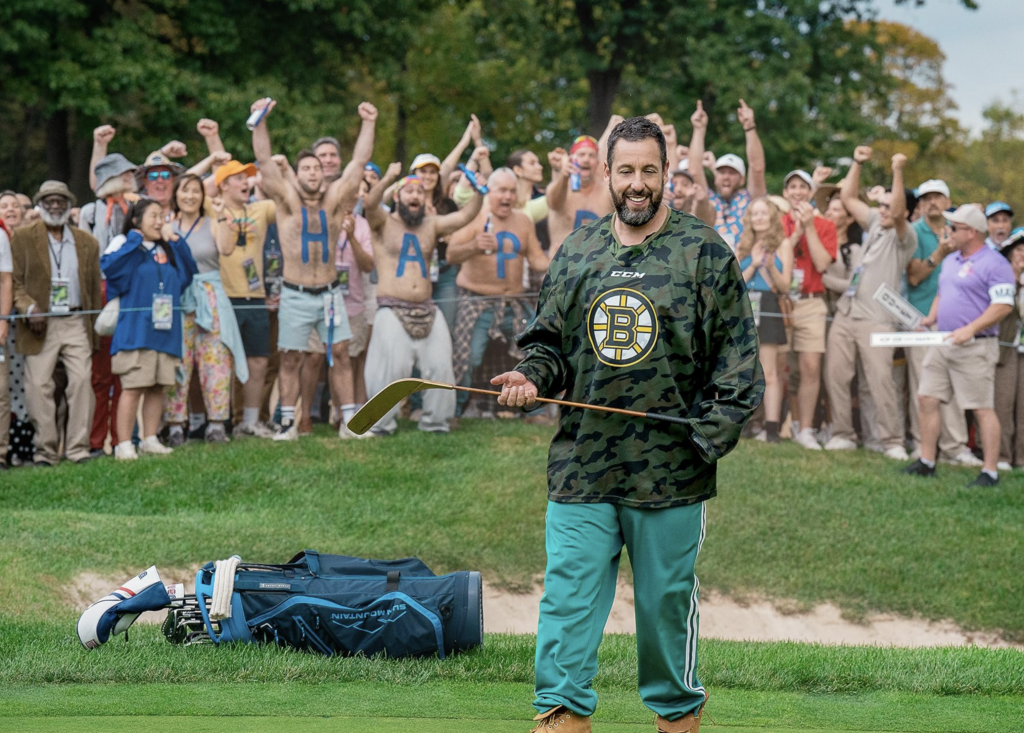
Sandler’s transition to film in the mid-1990s produced some of the most quotable and rewatched comedies of the era. Billy Madison (1995) and Happy Gilmore (1996) cemented his signature persona: a lovable man-child with a short fuse and a heart of gold. These films weren’t critical darlings at the time, but they built a devoted audience that has only grown with each passing decade, turning both movies into generational comfort-watch staples.
The late 1990s and 2000s saw Sandler expand his range while staying true to his comedic roots. Films like The Wedding Singer, Big Daddy, Mr. Deeds, and The Waterboy reinforced his box-office reliability, while Punch-Drunk Love (2002), directed by Paul Thomas Anderson, offered the first real glimpse of Sandler’s dramatic range. The film was a critical revelation, proving that beneath the slapstick was an actor capable of nuance, vulnerability, and genuine pathos.
Happy Madison and a New Kind of Studio Power
In 1999, Sandler founded Happy Madison Productions, a move that gave him unprecedented creative control over his projects and allowed him to build out a loyal ensemble of collaborators; actors like Kevin James, Rob Schneider, David Spade, and Chris Rock became recurring faces across his filmography. This “Sandler cinematic universe” approach helped define an entire era of studio comedy in the 2000s and 2010s, with films like Grown Ups, Just Go with It, and Blended drawing enormous audiences even as critical reception remained mixed.
Happy Madison wasn’t just a comedy vehicle, either. It became a launching pad for numerous careers and a symbol of loyalty in an industry often characterized by transience, something that has earned Sandler a reputation as one of Hollywood’s most respected and well-liked figures behind the scenes.
The Netflix Era
In 2014, Sandler signed a groundbreaking deal with Netflix, agreeing to produce and star in a slate of original films exclusively for the streaming platform. The partnership, since extended multiple times, has produced a steady stream of content including The Ridiculous 6, Sandy Wexler, Murder Mystery (and its sequel), Hubie Halloween, and Hustle. The deal reflected a broader shift in how major stars approach distribution, and Sandler’s Netflix films have consistently ranked among the platform’s most-watched titles globally.
More recently, Sandler has used his Netflix platform to blend his commercial instincts with more personal storytelling. You Are So Not Invited to My Bat Mitzvah leaned into family-centered comedy featuring his own daughters, while Happy Gilmore 2 brought one of his most beloved characters back for a new generation of viewers. His slate of upcoming projects continues to mix genres, including the psychological drama Time Out, a reunion with Netflix on family-driven storytelling, and a long-anticipated third installment of the Grown Ups franchise.
Dramatic Credibility: Uncut Gems and Beyond
If there was any lingering doubt about Sandler’s dramatic capabilities, the Safdie brothers’ Uncut Gems (2019) erased it. His portrayal of a manic, self-destructive jeweler earned near-universal critical acclaim and widespread recognition as one of the best performances of his career, sparking renewed conversation about awards recognition that had long eluded him despite his commercial success.
This dramatic pivot continued with roles in projects like Hustle, where he played a basketball scout chasing one last shot at redemption, and Spaceman, a moody science-fiction drama that further showcased his range. Sandler has increasingly demonstrated that he can toggle between broad comedy and introspective drama without alienating either audience, a rare trick in an industry that often pigeonholes its biggest stars.
A Family Affair
One of the more distinctive threads in Sandler’s later career has been his willingness to build projects around his own family. His wife, Jackie Sandler, and daughters Sadie and Sunny Sandler have appeared in numerous Happy Madison productions, giving his filmography an unusually personal, generational quality. Recent projects have placed his daughters in increasingly prominent roles, suggesting a possible passing of the torch, or at the very least, a family brand that Sandler is intent on nurturing both on and off screen.
Why Adam Sandler’s Career Endures
What makes Sandler’s career particularly fascinating from a cultural standpoint is his resistance to easy categorization. He is simultaneously:
- A comedy icon whose early films remain some of the most quoted in pop culture
- A serious dramatic actor increasingly courted by prestige directors
- A savvy businessman who built and sustained a production company for over two decades
- A streaming-era pioneer who helped normalize A-list talent moving to platforms like Netflix
- A family-oriented filmmaker who has folded his personal life into his professional output
Few actors of his generation have managed to stay commercially relevant across four different decades while also earning critical respect later in their career, a trajectory that mirrors artists who evolve rather than simply age within their industry.
Final Thoughts
Adam Sandler’s career is proof that longevity in Hollywood doesn’t require constant reinvention; sometimes it just requires staying true to your voice while quietly expanding what that voice is capable of. From his SNL sketch-comedy roots to his Netflix dominance and unexpected dramatic acclaim, Sandler has built a career defined by loyalty, versatility, and an enduring connection with audiences that few of his peers can match. As his upcoming slate of films continues to blend comedy, drama, and family storytelling, it’s clear his cultural relevance shows no signs of slowing down.