


Walk into any upscale mall or browse a wedding registry, and there’s a good chance Williams Sonoma is part of the picture. What began as a single cookware store in Sonoma, California, has grown into one of the most recognizable names in home goods, kitchenware, and design-forward furnishings, a brand that has managed to stay both aspirational and accessible for nearly seven decades.
1. The Origin Story
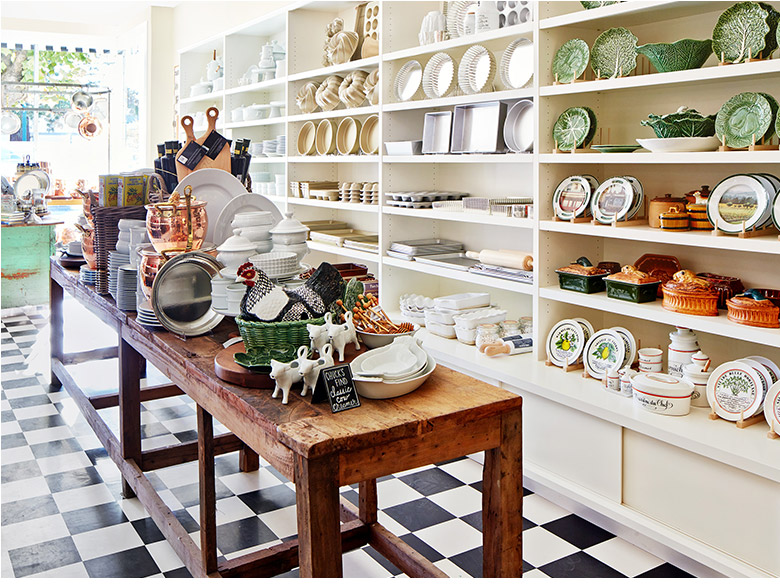
Williams Sonoma traces its roots back to 1956, when founder Chuck Williams opened a small hardware store in Sonoma, California, and gradually shifted its focus toward imported French cookware that American consumers simply couldn’t find elsewhere at the time. Williams had traveled through France and been struck by the quality of professional cooking equipment there, and he set out to bring that same caliber of tools to home cooks back in the United States.
The concept resonated. Williams relocated the store to San Francisco in the early 1960s, and from there, the brand slowly expanded into a mail-order catalog business, a move that, decades later, would foreshadow its early and aggressive embrace of e-commerce.
2. Building a House of Brands
Rather than staying a single-banner retailer, Williams-Sonoma, Inc. evolved into a portfolio company, acquiring and launching complementary home brands that each target a distinct customer and price point. Today, that portfolio includes:
- Williams Sonoma: premium kitchenware, cookware, and gourmet food products
- Pottery Barn: mainstream home furnishings and decor
- Pottery Barn Kids and Pottery Barn Teen: furnishings for children’s and teen spaces
- West Elm: modern, design-forward furniture aimed at younger, urban shoppers
- Williams Sonoma Home: upscale furniture and home decor
- Rejuvenation: lighting and hardware with a vintage-inspired aesthetic
- Mark and Graham: personalized gifts and accessories
- GreenRow and Dormify: newer additions targeting outdoor living and dorm/small-space decor
This multi-brand strategy has allowed the company to capture a wide range of customers, from a newlywed couple registering for their first cast-iron skillet to a homeowner furnishing an entire house, without diluting any single brand’s identity.
3. A Digital-First Retailer Before It Was Fashionable
Long before “omnichannel retail” became an industry buzzword, Williams-Sonoma, Inc. was investing heavily in direct-to-consumer sales through catalogs and, eventually, e-commerce. The company now positions itself as the world’s largest digital-first, design-led home retailer, and its financial results back that framing up. In its most recent quarterly report, the company posted a comparable brand revenue increase and an operating margin north of 16%, with every brand in its portfolio delivering positive growth in the same period.
This digital-first approach has paid dividends in resilience. While many traditional home-goods retailers have struggled against e-commerce disruption, Williams-Sonoma, Inc. built its own strong online infrastructure early, which has helped it maintain profitability even through housing-market slowdowns and shifting consumer spending patterns.
4. Leadership and Strategic Direction
Under CEO Laura Alber, who has led the company since 2010, Williams-Sonoma, Inc. has emphasized what leadership describes as “compounding results”, consistent, disciplined growth rather than chasing short-term trends. Recent internal moves, including leadership promotions within its Pottery Barn division, reflect a broader strategy of developing talent from within and reinforcing long-tenured institutional knowledge across its brand portfolio.
The company has also continued to navigate broader macroeconomic headwinds, including tariff pressures and interest-rate-driven softness in the housing market, while still delivering strong shareholder returns, a track record that has made it a frequently cited example of resilience within the specialty retail sector.
5. Sustainability and Brand Values
Williams-Sonoma, Inc. has increasingly woven sustainability into its brand identity, positioning itself not just as design-led but also as a sustainability-focused retailer. This includes sourcing practices, materials initiatives, and responsible manufacturing commitments across its brand portfolio, an area of growing importance to the home goods shopper who increasingly weighs environmental impact alongside design and price.
The company has also maintained a long-running commitment to philanthropic partnerships, including annual campaigns addressing childhood hunger, which pair its retail brand recognition with cause-driven marketing that resonates with its customer base.
6. Collaborations and Cultural Relevance
Part of what has kept Williams Sonoma and its sister brands culturally relevant is a steady stream of designer and influencer collaborations. Pottery Barn Kids, for example, has partnered with a rotating cast of design influencers to create limited collections, while the flagship Williams Sonoma and Williams Sonoma Home brands have launched exclusive partnerships with well-known design labels. These collaborations help the company stay current with design trends while giving loyal customers a reason to return to the brand beyond routine replenishment purchases.
7. Why Williams Sonoma Still Matters in a Crowded Market
The home goods and furnishings space is more competitive than ever, with fast-furniture retailers, big-box stores, and direct-to-consumer startups all vying for the same wallet share. Williams Sonoma has managed to hold a distinct position by leaning into three consistent pillars:
- Quality and craftsmanship over disposability
- Design leadership, reflected in its multi-brand structure targeting different aesthetics and life stages
- Operational discipline, evidenced by consistently strong margins and shareholder returns even during turbulent retail cycles
Final Thoughts
Few retailers can trace a straight line from a single storefront in Sonoma, California, to a multi-billion-dollar, multi-brand home empire, but Williams-Sonoma, Inc. has done exactly that. By combining a founder’s original obsession with quality cookware, a disciplined multi-brand growth strategy, and an early bet on digital retail, the company has built a business that continues to outperform expectations decade after decade. For shoppers, that means a trusted name across nearly every room in the house; for investors, it means one of specialty retail’s most consistently resilient performers.