

Investors tracking major technology companies continue to focus closely on Apple stock as one of the most influential names in global markets. As of mid-August 2026, shares of the Cupertino-based giant trade near $308 after a period of strong gains over the past year, reflecting solid operational performance, ongoing product demand, and expanding high-margin businesses. With a market capitalization around $4.5–4.6 trillion, the company remains a cornerstone holding for many portfolios. This comprehensive overview examines recent financial results, growth drivers, valuation considerations, risks, and the broader outlook for those evaluating Apple stock today.
Recent Performance and Market Context
Over the trailing twelve months, Apple stock has delivered meaningful appreciation, rising more than 35% in one reported measure while outperforming broader benchmarks during key periods. The shares reached a 52-week high near $344–$345 before pulling back somewhat, leaving them trading closer to recent levels around $308. This movement reflects a combination of robust quarterly results, optimism around the latest iPhone cycle, and progress in artificial intelligence features integrated across the ecosystem.
The company maintains a beta near 1.09, indicating moderate volatility relative to the overall market. Trading volumes remain substantial, consistent with its status as one of the most widely held and closely watched equities. Dividend payments continue, with a modest yield, supplemented by aggressive share repurchase programs that return significant capital to shareholders.
Strong Earnings Momentum
Apple’s fiscal third quarter of 2026 (ended late June) highlighted the strength of its business model. Revenue reached approximately $109.4 billion, up 16% year-over-year and setting a June-quarter record. Diluted earnings per share came in at $2.02, exceeding consensus expectations. All major geographic segments posted growth and, in many cases, records.
iPhone revenue stood out at roughly $54.3 billion, rising 22% year-over-year on strong demand for the iPhone 17 family. Mac revenue jumped nearly 29% to about $10.4 billion, benefiting from new models and interest in devices optimized for on-device AI workloads. Services revenue hit another record near $30.7–$31 billion, up around 12%, underscoring the high-margin, recurring nature of this segment. Wearables and other categories also contributed positively.
Gross margins remained healthy, supported by favorable product mix and one-time factors such as tariff-related refunds in some reports. Operating cash flow stayed robust, enabling continued investment and capital returns. For the first nine months of the fiscal year, the company generated substantial free cash flow while repurchasing tens of billions of dollars in shares and paying dividends.
Management guided for the September quarter with revenue growth expected in the 9–11% range, tempered by supply constraints on advanced chips, higher memory costs, and foreign exchange headwinds. Underlying demand was described as solid, particularly for iPhone.
Key Growth Drivers Behind Apple Stock
Several factors support the longer-term case for Apple stock. The installed base of active devices exceeds 2.5 billion, creating a powerful platform for hardware upgrades, services attachment, and ecosystem lock-in. The iPhone remains the primary revenue engine, and the latest product cycle has demonstrated healthy upgrade rates as consumers seek devices capable of supporting newer AI features.
Services growth provides an important offset to hardware cyclicality. This segment includes the App Store, Apple Music, iCloud, AppleCare, advertising, and other offerings. High gross margins here expand overall profitability as the mix shifts. Apple Intelligence and related AI capabilities, built with a combination of on-device processing and selective partnerships, aim to deepen user engagement and potentially drive further services monetization through premium features or transaction fees.
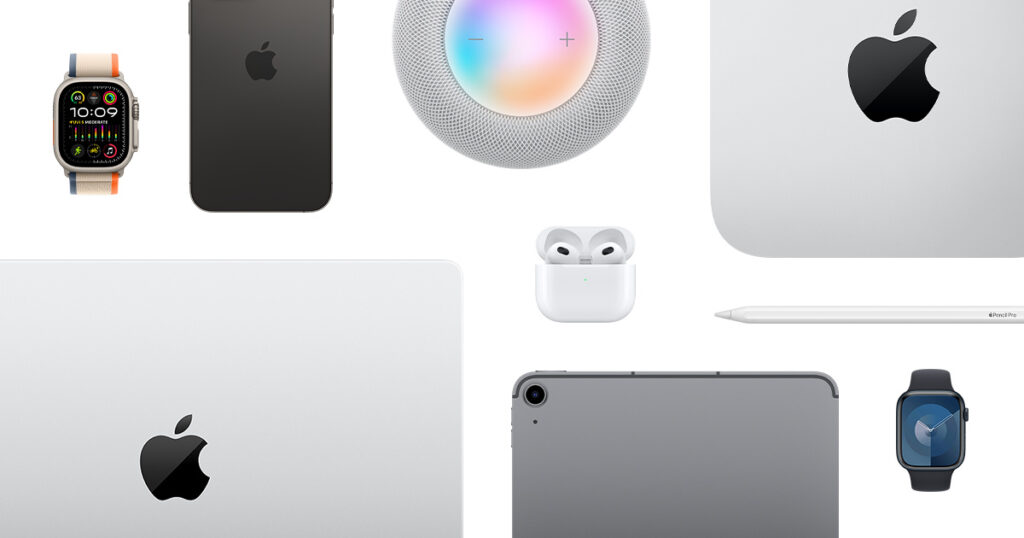
Mac and iPad demand has shown resilience, aided by Apple silicon’s performance advantages for AI-related tasks. Wearables, including the Apple Watch and AirPods lines, continue to contribute to the accessory and services ecosystem. Geographic diversification helps, with growth across the Americas, Europe, Greater China, Japan, and the rest of Asia-Pacific, though China remains an area of ongoing focus for investors.
Capital allocation remains shareholder-friendly. Large buyback authorizations reduce share count over time, supporting earnings-per-share growth. The company holds a strong balance sheet with substantial cash and marketable securities relative to debt.
Valuation and Analyst Perspectives
Apple stock trades at a premium valuation relative to many peers and the broader market. Forward price-to-earnings multiples in the low-to-mid 30s reflect expectations of sustained growth, high returns on capital, and the quality of the franchise. Some analysts view this premium as justified by the ecosystem’s durability and Services expansion, while others caution that it leaves limited room for disappointment.
Wall Street consensus generally leans positive, with a majority of ratings in the Buy or equivalent category. Average 12-month price targets cluster around $322–$337 according to various aggregators, implying modest single-digit to low-double-digit upside from recent levels near $308. Individual targets range more widely, with some firms projecting higher figures (into the $360–$380 area) based on AI-related opportunities and continued execution, while more cautious voices sit lower.
Longer-term models from research firms sometimes project continued appreciation into the late 2020s, assuming steady revenue growth in the low-to-mid teens, margin expansion or stability, and ongoing capital returns. These projections are inherently uncertain and depend on product cycles, competitive dynamics, and macroeconomic conditions.
Risks and Challenges to Monitor
No investment is without risks, and Apple stock faces several. Supply chain constraints on advanced process nodes and rising component costs (particularly memory) can limit near-term unit growth or pressure margins. Currency fluctuations affect reported results given the global revenue base. Competition remains intense in smartphones, personal computers, wearables, and especially generative AI, where rivals invest heavily in infrastructure.
Regulatory scrutiny of the App Store and other platform practices continues in multiple jurisdictions. Geopolitical tensions, particularly involving China, introduce uncertainty around manufacturing, sales, and technology access. Valuation itself can act as a risk: elevated multiples mean the stock may react sharply to any guidance misses or slower growth periods.
Product execution risk exists around future hardware launches, including potential foldable devices or further AI enhancements. Leadership transitions, such as the planned shift in the CEO role, also warrant monitoring even when succession appears orderly.
Broader Investment Considerations
For long-term investors, Apple stock is often viewed through the lens of quality compounding. The company’s ability to generate substantial free cash flow, return capital, and expand its ecosystem has rewarded patient holders over many years. Shorter-term traders may focus more on quarterly guidance, product launch momentum, and macroeconomic data that influence consumer spending on premium devices.
Diversification remains important. While the company represents a significant portion of major indexes, concentration risk should be managed according to individual circumstances. Currency, interest rates, and overall equity market sentiment also influence performance.
Those considering a position often examine metrics such as revenue growth rates by segment, Services contribution to total sales and profits, gross and operating margins, free cash flow conversion, and the pace of share count reduction. Tracking installed base growth, average selling prices, and attach rates for services provides additional insight into the health of the franchise.
Outlook Summary
As of August 2026, Apple stock reflects a business executing well on its core hardware cycles while steadily building higher-margin recurring revenue streams. Strong recent results, particularly in iPhone and Mac, combined with Services strength, have supported share price gains over the past year. Analyst sentiment remains constructive on balance, though price targets suggest more moderate near-term upside than in some prior periods of stronger momentum.
Supply constraints and cautious near-term guidance introduce some caution, yet underlying demand trends appear solid. The integration of AI capabilities across the product lineup and potential for further services monetization represent key longer-term variables. Investors will continue watching upcoming product announcements, the next earnings reports, competitive developments in AI, and progress in key markets such as China and India.
Ultimately, the decision to own or add to a position in Apple stock depends on individual risk tolerance, time horizon, valuation discipline, and portfolio construction. The company continues to demonstrate resilience and innovation, characteristics that have defined its multi-decade run as one of the world’s most valuable enterprises. Staying informed on quarterly results, product roadmaps, and broader technology trends remains essential for anyone following this closely watched equity.