

What Is the Bitcoin Price Today?

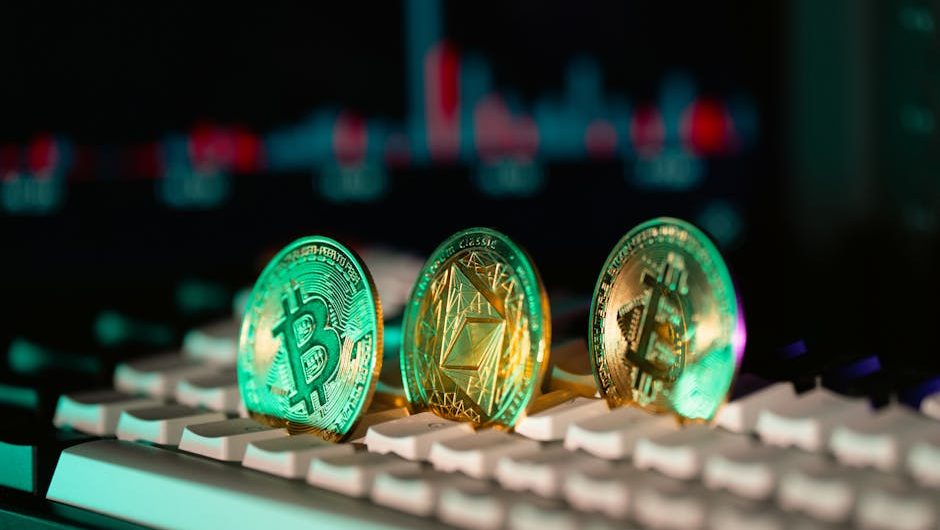
The bitcoin price is approximately $80,748 USD as of May 2026, giving Bitcoin a market capitalization of roughly $1.62 trillion.
| Key Metric | Value (May 2026) |
|---|---|
| Bitcoin Price (USD) | ~$80,748 |
| Market Cap | ~$1.62 trillion |
| 24H Trading Volume | ~$16.84 billion |
| Circulating Supply | 20.03 million BTC |
| All-Time High | $126,272 (Oct 6, 2025) |
| Max Supply | 21 million BTC |
Bitcoin is the world’s first and most valuable cryptocurrency. Created in 2008 by an anonymous figure known only as Satoshi Nakamoto, it introduced a radical idea: a form of money that no government, bank, or institution controls.
Since then, Bitcoin has gone from a whitepaper concept to a $1.6 trillion asset class — one that now sits inside pension funds, corporate balance sheets, and spot ETFs traded on major exchanges.
The journey has been anything but smooth. Bitcoin once traded for fractions of a cent. In May 2010, a programmer famously spent 10,000 BTC on two pizzas — coins that would later be worth hundreds of millions of dollars. By December 2024, Bitcoin crossed $100,000 for the first time. Its all-time high of $126,272 came in October 2025.
Today, Bitcoin sits near $80,748 — down from its peak, but up massively from where it started.
Current Market Analysis: Factors Influencing the Bitcoin Price
As we navigate through May 2026, the bitcoin price is demonstrating a fascinating level of resilience. Currently hovering around the $80,748 mark, the asset has maintained a steady position despite the usual ebb and flow of the global financial markets. With a massive market capitalization of $1.62 trillion, Bitcoin is no longer the “fringe experiment” it was a decade ago; it is a foundational pillar of modern finance.
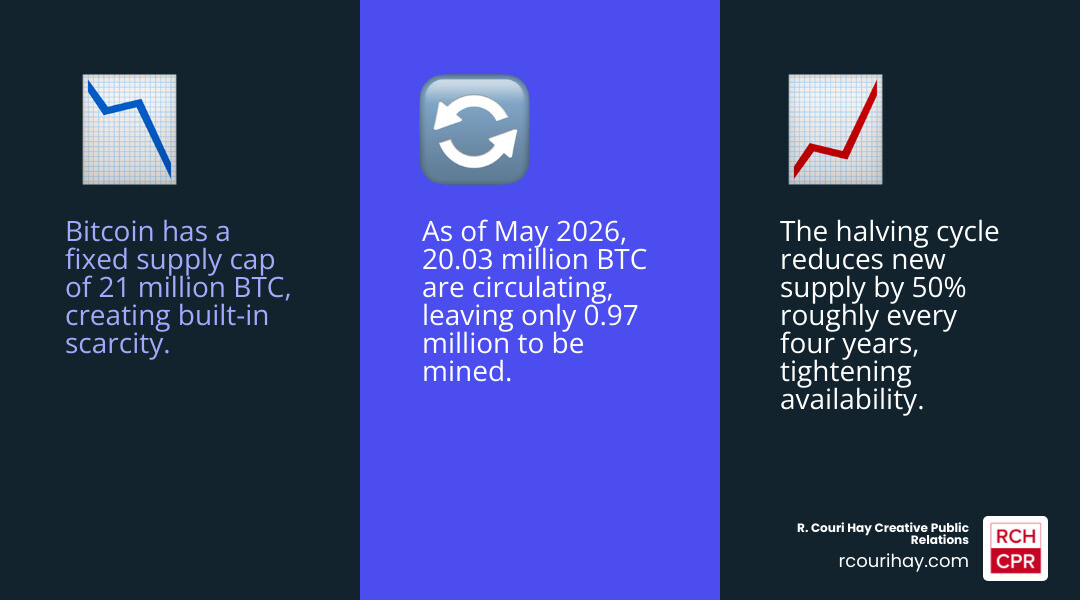
Several key factors are currently pulling the strings of the market. First, we must look at the basic law of economics: supply and demand. The circulating supply of Bitcoin is now approximately 20.03 million BTC, creeping ever closer to the hard cap of 21 million. This built-in scarcity is a primary driver of value. When you combine a dwindling new supply with increasing global interest, the upward pressure on the bitcoin price becomes clear.

Furthermore, Bitcoin’s market dominance—the measure of its market cap relative to the rest of the cryptocurrency world—sits at a commanding 60%. This suggests that in times of uncertainty, investors still view “the king of crypto” as the safest harbor in the digital asset sea. The 24-hour trading volume, often exceeding $16 billion, shows that liquidity remains high, allowing large-scale investors in hubs like New York and London to move in and out of positions with ease.
Institutional Inflows and the Bitcoin Price in 2026
The narrative of “retail FOMO” (fear of missing out) has largely been replaced by “institutional integration.” In 2026, the biggest story remains the success of Spot Bitcoin ETFs. These regulated investment vehicles have democratized access to the bitcoin price, allowing everyone from individual retirees to massive pension funds to gain exposure without the technical hurdles of managing private keys.
Currently, total Assets Under Management (AUM) across Bitcoin-related products have reached a staggering $126 billion. This institutional liquidity acts as a stabilizer for the bitcoin price today and live marketcap, reducing the wild percentage swings that characterized the early 2010s.
Corporate treasuries have also followed the lead of pioneers like MicroStrategy. By treating Bitcoin as a primary reserve asset, these companies have effectively removed hundreds of thousands of BTC from the active trading supply, further fueling the scarcity narrative. For our clients in wealth management and luxury living, Bitcoin has transitioned from a speculative gamble to a legitimate component of a diversified, high-net-worth portfolio.
Global Regulatory Shifts and the Bitcoin Price
Regulation used to be the “boogeyman” of the crypto world, but in 2026, clarity has brought confidence. While the SEC continues its oversight and the FTC enforces strict disclosure guides for digital promotions, these rules have actually helped the bitcoin price by weeding out bad actors and fraudulent schemes.
On the international stage, we’ve seen a spectrum of adoption. While El Salvador’s journey with Bitcoin as legal tender has seen its share of headlines and adjustments, the broader trend is toward compliance and integration. The European Union’s MiCA (Markets in Crypto-Assets) framework has set a gold standard for regulatory harmony, making it easier for institutional players in Paris and London to operate.
Investors now use Live BTC to USD exchange rates to settle cross-border payments with a speed that traditional banking still struggles to match. While some central banks are experimenting with their own digital currencies (CBDCs), Bitcoin remains the preferred “neutral” asset for those who value decentralization.
Historical Context: From Pizza Day to Six-Figure Milestones
To understand where the bitcoin price is going, we must look at the incredible journey it has taken. It is a story of “zeros” becoming “six figures.”
The most famous anecdote in crypto history remains “Bitcoin Pizza Day.” On May 22, 2010, Laszlo Hanyecz paid 10,000 BTC for two Papa John’s pizzas. At the time, those coins were worth about $30. Today, that same amount of Bitcoin would be worth over $800 million. It’s a humorous, if slightly painful, reminder of how far the asset has come.
Bitcoin Price Milestones
| Year | Milestone/Event | Approximate Price |
|---|---|---|
| 2009 | Genesis Block Mined | $0.00 |
| 2010 | First Commercial Transaction (Pizza Day) | < $0.01 |
| 2011 | Parity with the U.S. Dollar | $1.00 |
| 2017 | First major surge toward $20k | $19,783 |
| 2021 | Market cap hits $1 Trillion | ~$50,000 |
| 2024 | First time crossing $100k | $100,000 |
| 2025 | All-Time High (October 6) | $126,272 |
| 2026 | Current Market Stability (May) | $80,748 |
The journey from the historical low of $67.81 to the six-figure heights of 2024 and 2025 highlights the asset’s unprecedented growth. While the current price is about 39% below the all-time high of $126,272, the long-term trajectory remains a point of intense interest for those tracking wealth and success stories.
Bitcoin as a Luxury Asset: Investment vs. Payment Utility
In luxury living and high-end real estate—from the beachfronts of Southampton and Palm Beach to the slopes of Aspen—Bitcoin has taken on a dual identity. It is simultaneously “Digital Gold” and a cutting-edge payment utility.
As an investment, Bitcoin is increasingly viewed as the ultimate store of value. In an era of fluctuating inflation and low interest rates for traditional cash, Bitcoin’s fixed supply makes it a premier hedge. We see high-net-worth individuals allocating a portion of their portfolios to BTC not for “quick gains,” but for long-term wealth preservation.
However, the “payment” side of Bitcoin is also evolving. While buying a cup of coffee with Bitcoin was once criticized for being slow and expensive, the Lightning Network has changed the game. This “layer 2” solution allows for near-instant, low-cost transactions. We are now seeing luxury car dealerships and high-end real estate developers accepting Bitcoin for multi-million dollar transactions, providing an level of privacy and speed that traditional wire transfers cannot match.
Whether you view it as a peer-to-peer electronic cash system or a digital version of a gold bar, Bitcoin has cemented its place in the prestige economy.
The Future Outlook: Mining, Environment, and Expert Predictions
As we look toward the remainder of 2026 and into 2027, the conversation around Bitcoin is shifting toward sustainability and technological evolution.
Bitcoin mining—the process that secures the network using the SHA-256 algorithm—currently consumes about 0.55% of global energy production. While critics often point to this figure, the industry has made massive strides in renewable energy integration. Many miners are now “AI power brokers,” using their infrastructure to support high-performance computing while seeking out stranded renewable energy sources to power their rigs.
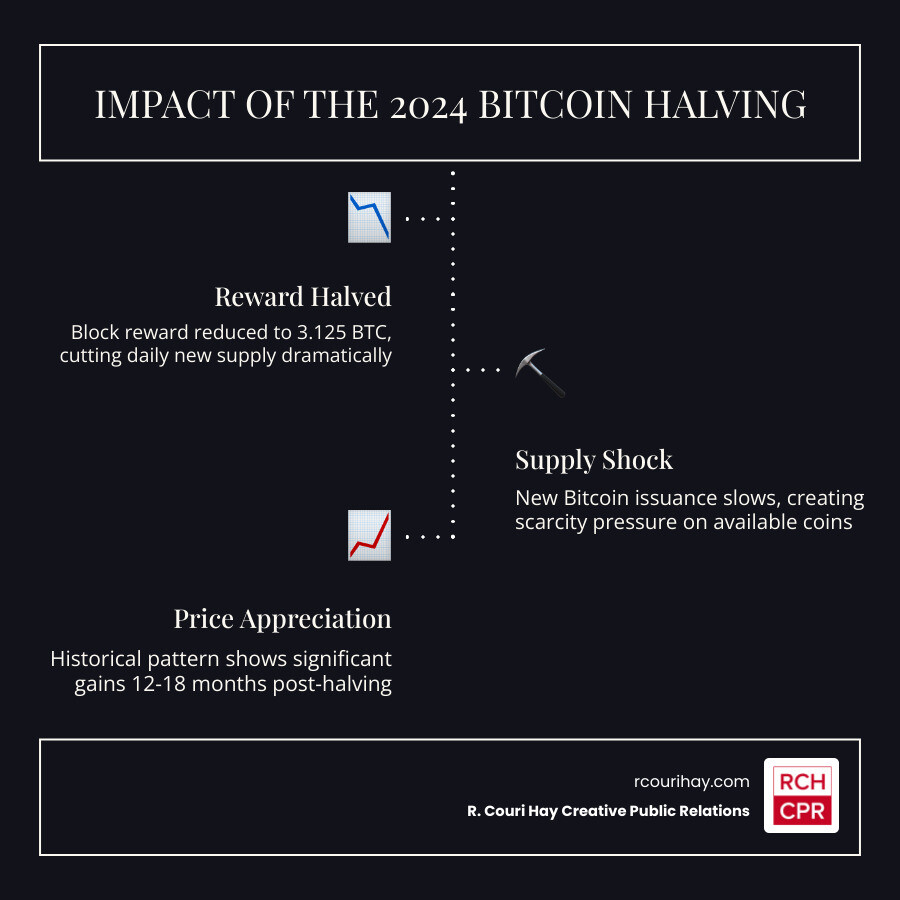
The current block reward stands at 3.125 BTC, following the most recent halving. This programmed reduction in new supply continues to be a primary catalyst for price appreciation. Looking further ahead, the network is preparing for the “post-quantum migration” by 2029 to ensure that Bitcoin’s cryptography remains unhackable even by the next generation of supercomputers.
What do the experts say?
Predictions for the bitcoin price in 2027 vary, but the sentiment remains largely optimistic. While volatility is still higher than traditional assets like gold or the S&P 500, the “dips” are becoming less severe as institutional floors are established. Some analysts suggest that if institutional adoption continues at its current pace, we could see a challenge to the previous all-time high before the next decade begins.
Frequently Asked Questions about Bitcoin Price
What was the highest Bitcoin price in history?
The highest recorded bitcoin price was $126,272, reached on October 6, 2025. This milestone followed a year of massive institutional inflows and the widespread adoption of Bitcoin ETFs.
Why is the Bitcoin price so volatile compared to gold?
Bitcoin has a much smaller market capitalization than the total global gold market. Consequently, large trades—often by “whales” or institutional funds—can have a more significant impact on the price. Additionally, as a 24/7 global market driven by sentiment and news, Bitcoin reacts instantly to regulatory updates and technological shifts.
How does the halving event affect the Bitcoin price?
The Bitcoin halving occurs approximately every four years (every 210,000 blocks) and cuts the reward given to miners in half. This reduces the rate at which new bitcoins are created. Historically, this “supply shock” has led to significant price increases in the 12 to 18 months following the event, as the available supply of new coins fails to keep up with demand.
Conclusion
At R. Couri Hay Creative Public Relations, we understand that the bitcoin price is more than just a number on a screen; it is a reflection of a global shift in how we define value, prestige, and financial freedom. From the bustling streets of New York City to the exclusive enclaves of Palm Beach and London, Bitcoin has become a staple of the modern luxury lifestyle.
The market’s resilience, demonstrated by its current stability near $80,000, speaks to the enduring power of Satoshi Nakamoto’s vision. Whether you are an institutional investor or someone looking to preserve wealth for the next generation, staying informed on the latest digital asset trends is essential.
For more insights into luxury, wealth, and high society, we invite you to explore More luxury lifestyle and society news and stay ahead of the curve in this ever-evolving digital age.