

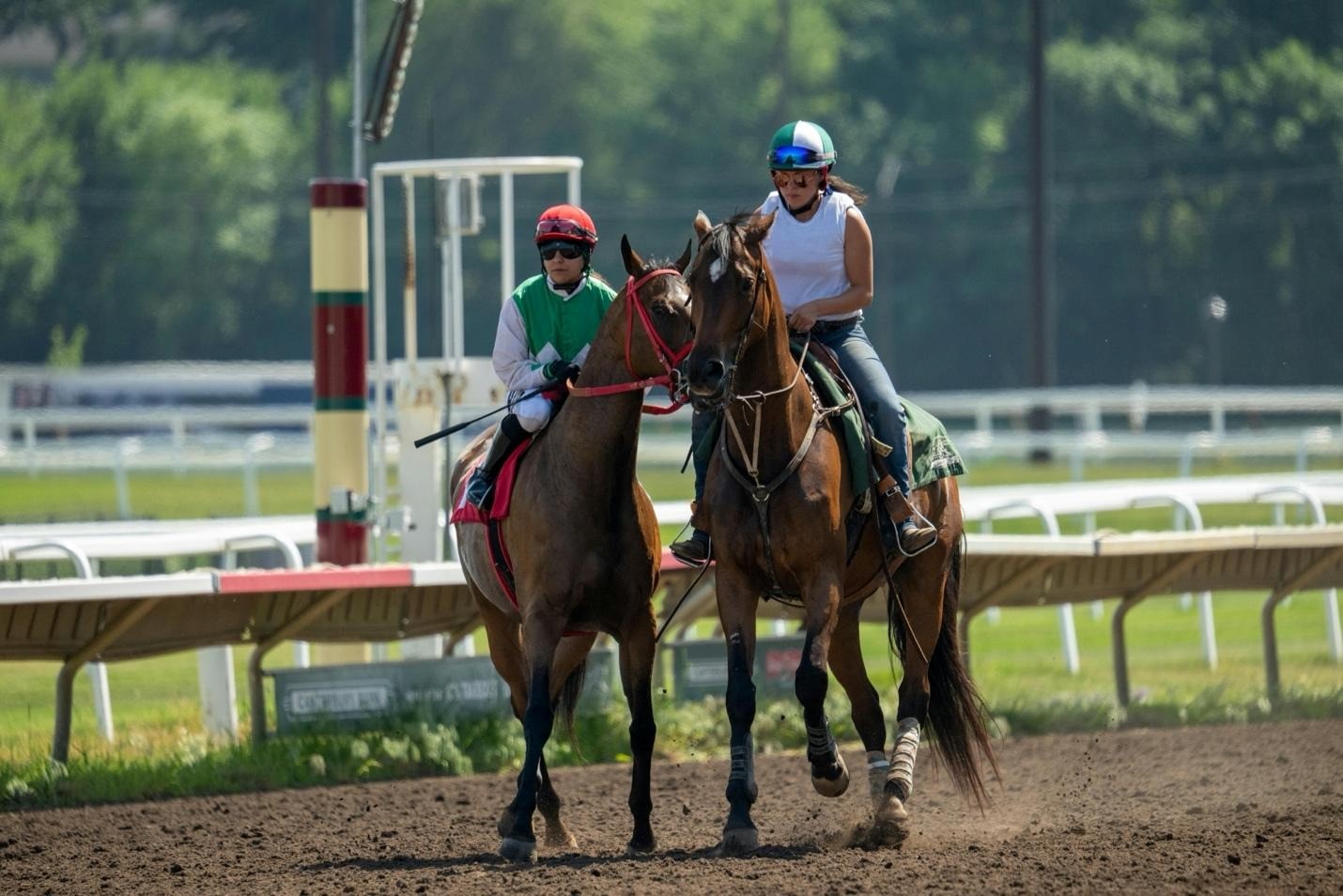

Even if you don’t know anything about horse racing, it only takes one race to understand that this sport is all about managing risk by creating strategies. Literally from every single angle. Whether you are the owner, the trainer, the jockey, or just a horse racing fan looking to place a bet.
It all lies in decision-making under uncertainty, and let me tell you, horse racing is one of the most unpredictable sports in the world. Why? Well, there are so many variables that are hard to control. You have the horse’s speed, genetics, skill, jockey-horse combo, trainer, weather conditions, competitors, and so on…
But people in the industry have mastered managing risk and creating strategies over the long history of the sport. And since horse racing has been around for thousands of years, I think we can learn something from it and apply it to our daily lives. Cause in modern times, risk management is not optional, it’s mandatory.
Risk Is More Than Just Chance
Yes, horse racing at its core is unpredictable. Even a favorite with great form and a top jockey can lose a race. That uncertainty is what makes the sport exciting but also teaches a fundamental truth – risk is unavoidable.
Most people make the same mistake every day. They are trying to get away from risks, which is usually not the best way to handle them. Risk is unavoidable, so it is better to find a way to manage it than to run away from it.
People who bet on races know this very well. They study past performance, track conditions, and jockey experience, for one reason only – to find a pattern that will help them make informed choices (which eventually might increase their win rate).
But no matter how thorough your research is, there’s still uncertainty baked into every outcome. However, this research allows them to manage the risk and maybe lower it to some extent. That’s why people who don’t know how to properly handicap a race, they focus on websites like TwinSpires, where experts cover tips and predictions for upcoming races. More here: https://www.twinspires.com/edge/racing/wagering/best-bets/
The point is that many variables can influence the outcome of a race, and covering all of them is simply impossible. This actually mirrors real-world risks, whether you’re launching a business or buying a house, where even the best data doesn’t guarantee a win. You manage risk, you don’t eliminate it.
Psychology research shows that people who are drawn to betting often enjoy that uncertainty and its excitement, driven by the brain’s reward system to unpredictable outcomes. Think about it this way: if there is a tool that will allow you to predict the outcome of every upcoming race with 100% accuracy, wouldn’t that ruin the fun?
Data, Discipline, and Decision
So, if risk is unavoidable, people turn to strategy just to try to make sense of it. Most racing fans don’t just pick names to bet on randomly. They analyze form, jockey stats, track conditions, betting markets, and many other things just to help them make data-driven decisions.
But since bettors don’t have any real influence on outcomes, the only thing that they can change is their bankroll management. So, it’s not just about who you bet on, but how much, and when.
Professionals set limits on their bankroll, decide how much to risk per race, and how to scale their bets just to lower their risk.
It all comes down to discipline and taking the right risks. That mirrors everyday life, don’t you agree? We make decisions every day, and most of them have uncertain outcomes, but we always use data to help our decision-making process steer us in the right direction.
This is called risk management, and it is often tied to probability. In other words, people make decisions based on how likely things are to happen in the future. The probability factor is directly connected to the risk, and it can lower it or increase it.
So, you have the same balancing act when weighing business risks, portfolio management when allocating capital, or even everyday small decisions that have smaller consequences.
The Psychology of Risk
To be able to balance risk, you first need to understand how risk works and its impact on the brain. People think they bet rationally, but often emotions lead the way. Psychological research shows that winners sometimes become overconfident, which is a phenomenon known as the “illusion of control.”
Loses on the other hand, can also trigger chasing behavior, where bettors try to win back what they lost, making riskier decisions along the way.
Basically, risks can trigger emotions, which can distort our picture and ruin our strategy or effectiveness of our strategy. So, risk management isn’t just analytics, is also psychological. Successful decision makers learn to check their emotions at the door and stick to their strategies instead of acting impulsively.
Final Words
You don’t have to be a horse racing fan to take something from horse racing. The sport is built on risk and strategy, and I think we can learn a lot from it. It teaches us that even when outcomes are uncertain, you make the best possible choice with the information at hand.
At the end of the day, horse racing is less about who crosses the line first, and more about a long-term success based on smart decisions.