
Ulta Beauty (NASDAQ: ULTA) has transformed from a beauty retailer into a dominant lifestyle destination, offering an expansive assortment of cosmetics, skincare, haircare, fragrances, and salon services. With its “All Things Beauty, All in One Place” positioning, Ulta stands out in the competitive beauty industry through its omnichannel approach, loyalty program, and curated experiences. This comprehensive 2026 company research examines Ulta Beauty’s business model, financial performance, competitive advantages, challenges, and strategic outlook.
Whether you’re evaluating ULTA stock, studying retail innovation, or simply a frequent shopper, this guide delivers clear insights into one of America’s fastest-growing beauty powerhouses.
Company Overview and History
Ulta Beauty was founded in 1990 as a discount beauty retailer focused on accessible luxury. The first store opened in 1990 in Bolingbrook, Illinois. Over the decades, Ulta evolved into a premium multi-brand experience, combining mass-market and prestige products under one roof alongside salon services. The company went public in 2007 and has since expanded aggressively across the United States.
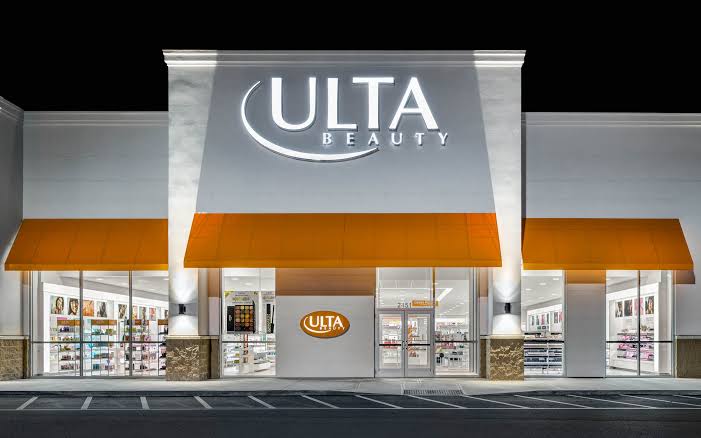
As of 2026, Ulta operates over 1,400 stores and maintains a robust digital presence. Its store format, bright, open layouts with interactive beauty stations, encourages discovery and trial. Ulta’s private brands (e.g., Ulta Beauty Collection) and exclusive partnerships with brands like Tatcha, Kylie Cosmetics, and others strengthen its appeal. The company also invests heavily in data-driven personalization through its Ultamate Rewards loyalty program.
Business Model and Revenue Streams
Ulta Beauty’s success stems from a diversified, high-margin model:
- Product Sales: Cosmetics, skincare, haircare, and fragrances (the majority of revenue).
- Services: Salon, brow, and other in-store experiences that drive foot traffic and loyalty.
- Private Label and Exclusives: Higher-margin owned brands and limited-edition collaborations.
- E-commerce and Omnichannel: Strong website, app, buy online/pickup in-store (BOPIS), and same-day delivery options.
The Ultamate Rewards program, with millions of members, provides valuable customer data while encouraging repeat purchases through points, perks, and personalized offers. Ulta’s “Power of One” strategy integrates physical stores as fulfillment hubs, creating seamless shopping experiences.
Financial Performance in 2026
Ulta Beauty has delivered consistent growth, though it navigates economic cycles and beauty market fluctuations. Key metrics include:
- Revenue Growth: Driven by comparable sales increases, new store openings, and digital acceleration.
- Margins: Strong gross margins supported by private label mix and services revenue.
- Store Productivity: High sales per square foot compared to traditional retailers.
- Capital Allocation: Investments in store remodels, technology, and shareholder returns via buybacks.
In recent reporting periods, Ulta has focused on premiumization, international brand introductions, and membership program enhancements. The company maintains a healthy balance sheet with manageable debt and solid cash flow generation. Analysts generally view Ulta favorably for its category leadership and innovation track record.
Competitive Landscape and Differentiation
Ulta competes with:
- Sephora: Strong prestige focus and parent company (LVMH) synergies.
- Department Stores: Macy’s, Nordstrom, and others with beauty counters.
- Mass Retailers: Target, Walmart, and drugstore chains.
- Pure-Play Online: Amazon and direct-to-consumer brands.
Ulta differentiates through:
- Broad assortment spanning mass to prestige.
- In-store experiences and professional services.
- Data-rich loyalty program with personalized recommendations.
- Convenient omnichannel fulfillment.
The company’s store-as-hub strategy and emphasis on discovery (makeup bars, fragrance walls, skincare consultations) create emotional connections that online-only competitors struggle to replicate. Partnerships with influencers and emerging brands keep the assortment fresh.
Growth Strategies and Innovation Pipeline
Ulta Beauty’s roadmap for 2026 and beyond includes:
- Store Expansion: Continued opening of new locations and remodels of existing stores.
- Digital Enhancement: Improved app features, AR try-on tools, and personalized marketing.
- Services Growth: Expanding salon offerings and new experiential services.
- Private Brand Development: Launching more premium and inclusive lines.
- Sustainability and Inclusion: Ethical sourcing, clean beauty focus, and diverse brand partnerships.
Ulta continues testing new formats, pop-ups, and category expansions (e.g., wellness, men’s grooming) to capture additional market share. Leadership emphasizes “everyday luxury” accessible to a broad demographic.
Challenges Facing Ulta Beauty
Despite strengths, Ulta navigates several headwinds:
- Economic Sensitivity: Beauty spending can fluctuate with consumer confidence.
- Intense Competition: Sephora’s prestige edge and Amazon’s convenience.
- Supply Chain and Inflation: Impacts product costs and availability.
- Talent Retention: Competitive labor market for beauty advisors and stylists.
- Evolving Consumer Preferences: Demand for clean, sustainable, and inclusive products.
Ulta addresses these through agile merchandising, data analytics, and employee development programs. Strong brand equity and loyal customer base provide a buffer during tougher periods.
Why Ulta Beauty Stands Out in Retail
Ulta Beauty has redefined beauty retailing by creating joyful, discovery-driven experiences. Its combination of assortment breadth, services, and technology sets a high bar for category leadership. For investors, Ulta offers growth potential in a resilient sector. For consumers, it delivers convenience and inspiration in one destination.
The company’s focus on community, inclusivity, and innovation positions it well for long-term success as beauty consumption evolves toward personalization and wellness.
Final Thoughts on Ulta Beauty Company Research
Ulta Beauty exemplifies modern retail success, blending physical and digital strengths while staying laser-focused on customer experience. Its ability to adapt, innovate, and maintain strong financials amid industry shifts makes it a standout case study in consumer retail. As the company continues expanding services, digital capabilities, and brand partnerships, Ulta is well-poised to maintain its leadership in the beauty space.
For the latest updates, monitor quarterly earnings, new store openings, and loyalty program enhancements. Ulta Beauty’s story demonstrates the power of experience-driven retailing in a digital-first world.
What are your thoughts on Ulta’s strategy or favorite products? Share in the comments. Explore more retail company research in our archives covering Sephora, Target, and other sector leaders.
Originally written by renowned publicist R. Couri Hay, offering his signature insider’s take on culture, society, and entertainment.