In 2026, Coca-Cola celebrates 140 years since the first glass was served at Jacobs’ Pharmacy in Atlanta. From a small pharmacy syrup to one of the world’s most valuable and recognized brands, the company continues to evolve while staying true to its core promise of refreshment. Today, more than two billion servings of Coca-Cola Company products are enjoyed daily across over 200 countries and territories. The iconic red-and-white logo remains instantly familiar, yet the business behind it has become a true total beverage company, adapting to new consumer preferences, sustainability demands, and cultural moments.
This Coca-Cola 2026 update explores the latest chapter: solid financial results, major global marketing activations, product innovation, packaging progress, and the brand’s ongoing cultural role.
Strong Momentum in 2026: Volume Growth and Raised Outlook
The Coca-Cola Company’s second-quarter 2026 results highlighted continued strength. Global unit case volume grew 5 percent. Net revenues rose 7 percent, with organic revenues up 6 percent. Operating income increased 9 percent, and comparable earnings per share showed solid gains. Management raised full-year guidance, pointing to disciplined execution, relevant innovation, and effective marketing activations.
These results reflect more than lasting brand loyalty. They show a company that has successfully broadened its portfolio while protecting the equity of its flagship Trademark Coca-Cola. Categories including water, sports drinks, coffee, and tea contributed meaningfully, supported by both global and local innovation.
Expanding Beyond the Classic: A Total Beverage Portfolio
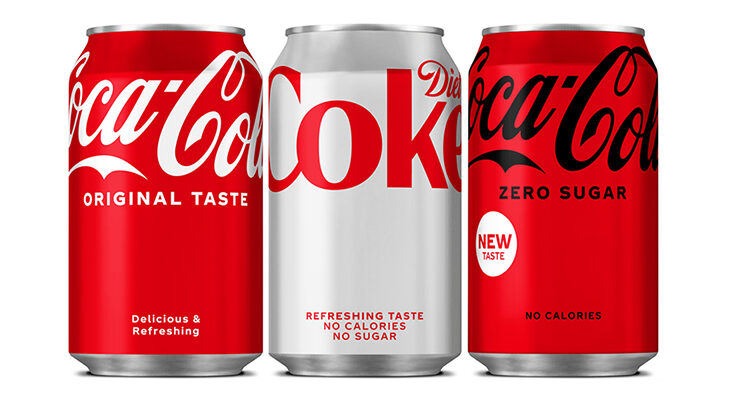
In 2026, Coca-Cola operates as a total beverage company with more than 200 brands. The core lineup still centers on Coca-Cola Classic, Coca-Cola Zero Sugar, Diet Coke, and flavored variants. Around it sit Sprite, Fanta, Powerade, Minute Maid, Topo Chico, vitaminwater, smartwater, Fairlife, and a wide range of juices, ready-to-drink teas and coffees, dairy, and plant-based options. Select ready-to-drink alcoholic partnerships further expand the offering in certain markets.
Zero-sugar products continue to receive focused attention. Updated packaging and refined recipes for Coca-Cola Zero Sugar and newer options such as Coca-Cola Zero Zero aim to deliver closer-to-classic taste with zero sugar, zero calories, and, in some cases, zero caffeine. Functional beverages that combine hydration, electrolytes, and additional benefits are also growing as consumers look for more from their drinks.
Local innovation hubs help the company turn consumer insights into market-specific products faster. Successful ideas are then adapted and scaled across regions, balancing global brand consistency with local relevance.
FIFA World Cup 2026: Marketing at Unprecedented Scale
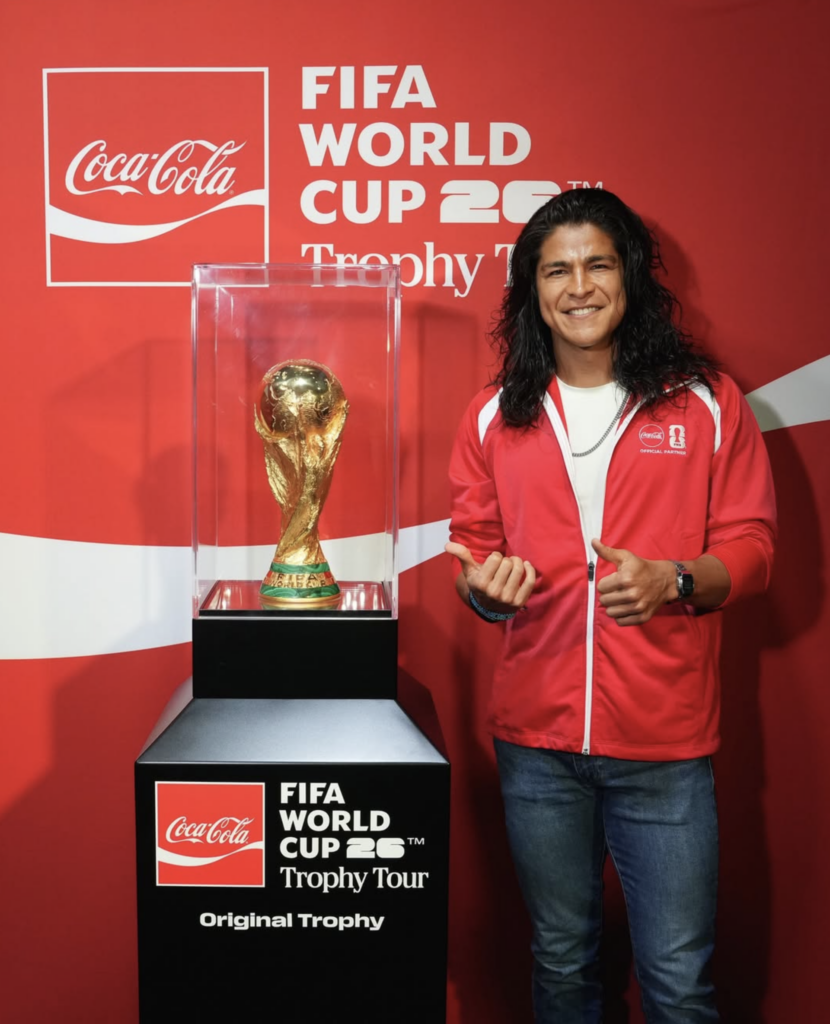
One of the standout commercial stories of 2026 has been Coca-Cola’s activation around the FIFA World Cup. The company ran a single, globally connected campaign across more than 180 markets. The FIFA World Cup Trophy Tour made dozens of stops and reached hundreds of thousands of fans. Retail programs spanned more than 20 million outlets. Experiential events, digital content, and special packaging strengthened connections with football supporters worldwide.
A key feature linked sustainability to fan participation. Connected packaging and digital rewards encouraged recycling, turning everyday bottles and cans into interactive platforms. Limited-edition collectible packaging and fan experiences added further visibility. The campaign delivered measurable volume lift for Trademark Coca-Cola and related brands such as Powerade during the tournament period.
These efforts show how Coca-Cola continues to use major cultural platforms, sports, celebrations, and shared experiences to stay present in people’s lives while advancing secondary messages around recycling and community.
Sustainability Progress in This Coca-Cola 2026 Update
Environmental and social responsibility remain central to long-term strategy. Water stewardship continues as a priority. The Coca-Cola system has replenished more than 100 percent of the water used in its finished beverages on an aggregate global basis for multiple consecutive years through community and watershed projects.
Packaging work focuses on circularity. Initiatives include higher recycled content (especially rPET), expansion of refillable glass and durable returnable PET systems, light-weighting of packages, and improved collection rates. Bottling partners have invested in new production lines and universal bottle designs that simplify operations across multiple brands. Collection and circular-economy targets extend into the 2030s.
On climate, the system continues working toward science-based emissions reductions and longer-term net-zero ambitions. Renewable electricity, operational efficiency, logistics improvements, and supplier collaboration drive progress. Community programs supporting youth skills, women’s economic opportunity, and local economic development round out the social impact efforts.
While public discussion around packaging waste and sugar content continues, the company publishes regular updates and adjusts targets based on results and stakeholder input.
Brand Identity Refresh and Marketing Evolution
In 2026, Coca-Cola refined its visual identity. A global brand refresh strengthened consistency across packaging and communications while giving greater prominence to zero-sugar offerings. Updated design tools and brand guidelines help teams and agency partners maintain coherence in an era of automated and AI-assisted marketing. The clear objective is to protect and build on existing brand equity rather than reinvent it.
The emotional foundation remains steady. Coca-Cola still stands for refreshment, connection, and shared moments. Holiday campaigns, sports sponsorships, and everyday visibility continue that tradition. At the same time, the company experiments with connected packaging, digital experiences, and more targeted engagement to meet consumers where they are.
Cultural Reach and Local Economic Footprint
Coca-Cola’s operating model, global brands paired with independent local bottling partners, creates significant economic activity in the communities it serves. Manufacturing, distribution, retail partnerships, and local sourcing generate jobs and support supply chains around the world. The system’s “seed-to-sip” approach means many products are made, packaged, and sold close to where they are consumed.
Culturally, Coca-Cola remains more than a beverage. It appears at family gatherings, sports events, holiday tables, and everyday routines. Its advertising has shaped visual language and seasonal traditions for generations. Its presence in more than 200 countries illustrates both the reach of a global brand and its ability to adapt to local tastes and cultures.
Looking Ahead from This 2026 Perspective
Coca-Cola faces the same pressures confronting the broader beverage industry: health-conscious consumers, climate expectations, regulatory scrutiny, and competition for attention in a fragmented media environment. Its strategy centers on protecting the equity of the core brand, growing adjacent categories, accelerating relevant innovation, strengthening digital and experiential connections, and advancing circular packaging and emissions reductions.
Recent financial performance and volume growth indicate the model continues to deliver. Strong activations around global events, continued investment in zero-sugar and functional offerings, and expansion of refillable systems point to a focus on both near-term results and longer-term resilience.
The story of Coca-Cola remains one of transformation without losing identity. From a handful of glasses sold at a Georgia pharmacy to more than a billion daily servings worldwide, the brand has repeatedly reinvented how it reaches consumers while preserving the emotional promise of refreshment and connection. That balance, heritage paired with forward motion, explains why Coca-Cola continues to occupy a unique place in the global marketplace and in countless personal memories.
Whether enjoyed ice-cold from a classic bottle, chosen as a zero-sugar option, or experienced through a major event activation, Coca-Cola in 2026 still delivers moments of refreshment. This update shows a company that is 140 years old yet remains focused on staying relevant, responsible, and present in the everyday lives of people around the world.