
Walk through the portrait galleries of any major museum, and you can trace the history of menswear from one room to the next. Silk doublets give way to embroidered coats, then to dark, sober tailoring, and eventually to the relaxed suits of the twentieth century. Painters did more than record what men wore. They shaped how tailoring was seen, idealized and copied, and their influence still runs through the way suits are cut today.
The Regency turn: from ornament to cut
At the end of the eighteenth century, fashionable men in Europe still wore bright silks, lace and elaborate embroidery. Around 1800, that changed. In London, the dandy Beau Brummell championed a new ideal built on dark cloth, perfect fit and immaculate linen. The focus shifted from decoration to the cut itself.
Portrait painters of the period captured that shift. Their sitters appear in dark coats that follow the line of the body, with high collars and pale waistcoats. The message was clear: elegance now came from proportion and restraint rather than from expensive ornament. That principle remains the foundation of tailoring more than two centuries later.
The painter’s eye for silhouette
Portraitists understood that clothing could flatter or undermine a figure. Artists emphasized broad shoulders, a narrow waist and a long, uninterrupted line from collar to hem. Tailors, in turn, learned to create those proportions in cloth, using padding, darts and precise cutting.
Light and fabric
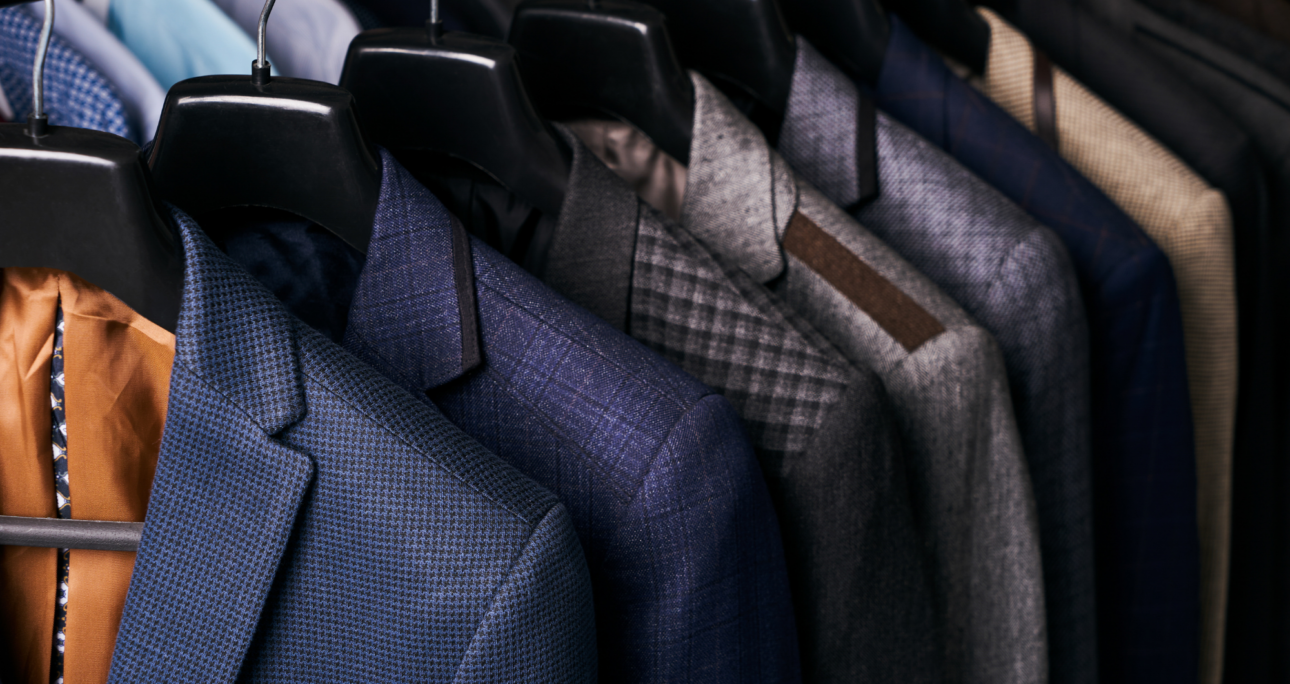
Painters also studied how light behaved on different fabrics. The soft sheen of fine wool, the depth of black broadcloth and the texture of tweed were rendered with care, because they communicated status and character. Today’s photographers and stylists rely on the same observation when they choose fabrics that read well on camera.
Modernism and the relaxed suit
In the early twentieth century, artists and writers began to wear tailoring with more freedom. Softer jackets, patterned shirts and unconventional color combinations appeared in studios and cafés across Paris, Vienna and New York. The suit became a canvas for individuality instead of a uniform of respectability.
That spirit returned in later decades as well. From the sharp tailoring of mid-century jazz musicians to the oversized shoulders of the 1980s, each period reinterpreted the suit according to its own aesthetic ideals. Museums now regularly stage fashion exhibitions that place tailoring alongside painting and sculpture, acknowledging it as a design discipline in its own right.
Why the connection matters today
The relationship between art and tailoring is not merely historical. Contemporary designers still borrow color palettes from paintings, draw proportions from architecture and reference specific eras in their collections. A camel suit may echo a mid-century film still, while a deep green velvet jacket can recall a Victorian portrait.
The path from inspiration to wardrobe has also become remarkably short. A portrait on a museum wall can turn into a search for mens suits near me before you have even left the building. What matters then is translating that inspiration thoughtfully rather than literally, choosing a color, texture or silhouette that suits you and the occasions you dress for.
Seeing tailoring like an artist
Looking at a suit with an artist’s eye means paying attention to the same elements painters valued. Proportion comes first: the relationship between shoulders, waist, and leg length determines how balanced a figure appears. Color and texture follow, affecting how the suit interacts with skin tone and light. Detail comes last, because a single well-chosen element, such as a lapel width or a pocket square, says more than several competing ones.
Trying on different cuts in a suit store is the most direct way to train that eye. Seeing yourself in a mirror in a soft-shouldered jacket, then in a structured one, reveals how much the silhouette changes the overall impression, much like comparing two portraits of the same sitter by different painters.
Lessons from the gallery
Take inspiration from the past, but adapt it to your own proportions and life. Favor cut and fit over ornament, as the Regency dandies did. Choose fabrics with an awareness of how they catch light. And treat the suit as a creative medium rather than a fixed rulebook. The history of art shows that the most memorable portraits are rarely about the clothes alone, but about how naturally the sitter wears them.