

The trial of Karmelo Anthony has become one of the most closely watched criminal cases in Texas in recent years, drawing national media attention, intense public debate, and extensive courtroom coverage. Below is a factual, up-to-date breakdown of what happened, how the trial unfolded, and where the case stands today.
What Happened: The Stabbing at Kuykendall Stadium
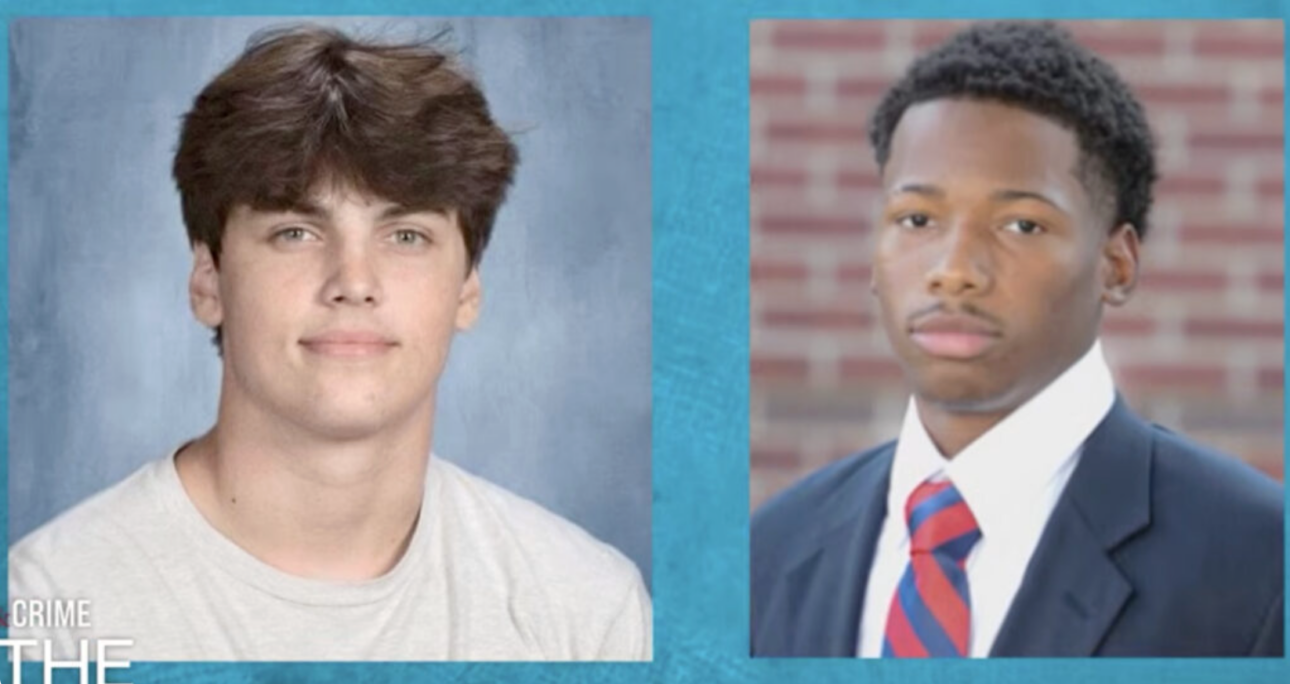
On April 2, 2025, a fatal stabbing occurred at David Kuykendall Stadium at Memorial High School in Frisco, Texas, during a track meet. According to reporting on the incident, an altercation broke out in the stands between two 17-year-old students, Austin Metcalf, a junior at Memorial High School, and Karmelo Anthony, a student at Centennial High School, reportedly after Metcalf asked Anthony to move from under a canopy tent set up for Memorial’s team during a rain delay. During the confrontation, Anthony stabbed Metcalf in the chest. Metcalf died at the scene.
Anthony turned himself in to authorities shortly after the stabbing and was charged with first-degree murder. He pleaded not guilty, and his defense argued the stabbing was an act of self-defense.
Why the Case Drew National Attention
The case quickly became a national talking point, driven by several factors:
- Extensive social media coverage that spread rapidly in the days following the stabbing, including large amounts of unverified claims and misinformation.
- Fundraising campaigns launched on behalf of both families, which drew scrutiny and public debate.
- The racial dynamics of the case, Anthony is Black and Metcalf was white, which became a significant subject of public discussion, even though both prosecutors and defense attorneys stated during the trial that the underlying altercation was not about race.
- Death threats and harassment reportedly directed at people connected to both families as the case gained visibility online.
The Trial and Verdict
The trial took place in Collin County, Texas, with proceedings held in McKinney. A jury heard testimony and evidence from both the prosecution and the defense, including Anthony’s claim that he acted in self-defense during the confrontation.
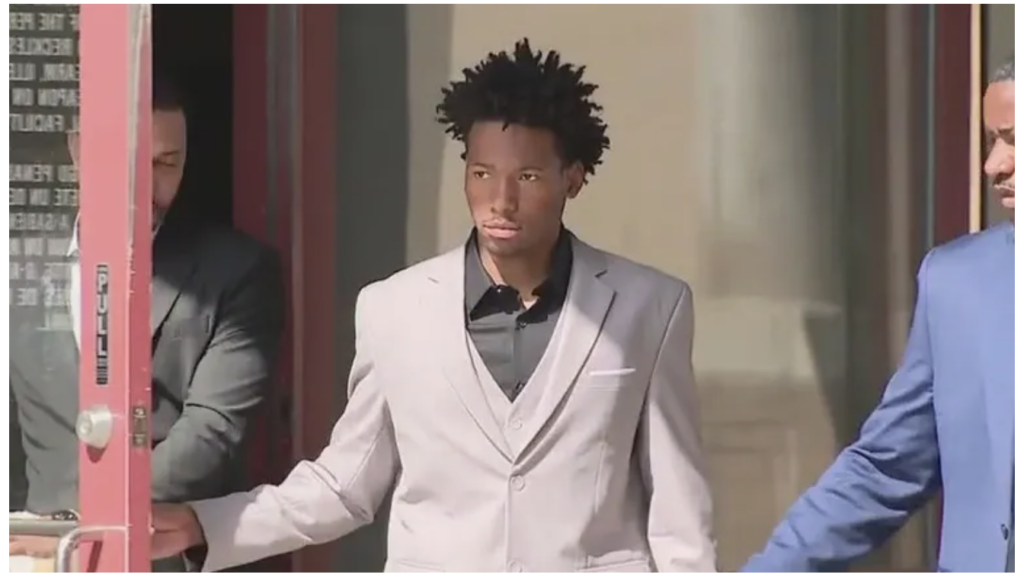
In June 2026, the jury rejected the self-defense argument and convicted Karmelo Anthony of murder in the death of Austin Metcalf. He was subsequently sentenced to 35 years in prison.
The presiding trial judge, John Roach Jr., oversaw the original proceedings. After the verdict, Roach gave a media interview discussing the case, comments that later became a point of contention in Anthony’s request for a new trial.
The Push for a New Trial
After Anthony’s conviction, his legal team was restructured, and new attorneys, including appellate lawyer Russell Wilson, filed a motion arguing that Anthony deserved a new trial. Several arguments were raised as part of this motion:
Courtroom Access Restrictions
The defense argued that strict courtroom rules limited public and media access to the trial in a way that may have violated Anthony’s Sixth Amendment right to a public trial. Attorneys pointed to the removal of an overflow courtroom that had initially been set up to accommodate public interest in the case.
Judicial Conduct Concerns
The defense also argued that comments Judge Roach made in a post-verdict media interview, in which he addressed the jury’s decision and defended his courtroom management, raised concerns about judicial conduct. As a result, an outside judge recused Roach from further proceedings in the case.
A Disputed Pretrial Agreement
Perhaps the most detailed testimony during the new-trial hearing centered on what witnesses described as an informal, unwritten agreement between the prosecution and the original defense team. According to testimony, both sides agreed to keep certain background information about both teenagers out of the trial to avoid inflaming an already high-profile and emotionally charged case. Anthony’s former attorneys testified that a dispute over how this agreement would be enforced ultimately factored into the decision that Anthony would not testify in his own defense.
Lead prosecutor Bill Wirskye disputed claims that the agreement had been violated, and testimony from both sides offered differing accounts of how the arrangement was understood and applied during the trial.
The New-Trial Hearing and Ruling
A retired judge, Michael Chitty, was assigned to preside over the new-trial hearing after Roach’s recusal. The hearing spanned two days in August 2026 and included testimony from Anthony’s original trial attorneys and prosecutors, as well as arguments from his new appellate counsel.
During the hearing, attorneys on both sides introduced additional background information about both teenagers that jurors had not heard during the original trial, material that had been the subject of the disputed pretrial agreement.
On August 22, 2026, Judge Chitty formally denied Anthony’s motion for a new trial. The order did not include a detailed explanation of the judge’s reasoning. As a result, Anthony’s murder conviction and 35-year sentence remain in place.
Reactions to the Ruling
Following the decision, both sides issued public statements.
Collin County District Attorney Greg Willis said prosecutors respected and expected the outcome, noting that the jury’s guilty verdict stands. Anthony’s appellate attorney, Russell Wilson, said the defense remained committed to Anthony and confirmed that the case would proceed to a formal appeal, citing ongoing concerns about constitutional and legal errors during the trial.
Austin Metcalf’s father, Jeff Metcalf, has also spoken publicly about the case after the ruling, reflecting the continued emotional weight it carries for both families.
What Happens Next: The Appeals Process
With the motion for a new trial denied, Anthony’s legal team has indicated it will pursue a formal appeal through the Texas appellate court system. Legal experts note that overturning a conviction on appeal generally requires demonstrating a significant legal error, such as a violation of constitutional rights, rather than simply disagreeing with the jury’s assessment of the evidence.
According to attorneys familiar with Texas criminal appeals, this is a high bar to meet, and the process can take significant time. As of the most recent developments, Anthony remains in custody serving his 35-year sentence while the appeal moves forward.
Frequently Asked Questions About the Karmelo Anthony Trial
What was Karmelo Anthony convicted of? Anthony was convicted of murder in the death of 17-year-old Austin Metcalf, who was fatally stabbed during a confrontation at a Frisco, Texas high school track meet in April 2025.
What sentence did Karmelo Anthony receive? He was sentenced to 35 years in prison following his June 2026 conviction.
Did Karmelo Anthony get a new trial? No. In August 2026, a Texas judge formally denied his motion for a new trial, leaving the conviction and sentence in place.
Is the case still ongoing? Yes. Anthony’s legal team has said it intends to pursue a formal appeal through the Texas appellate courts, meaning the legal process is expected to continue.
Why did the original trial judge get recused? Judge John Roach Jr., who presided over the original trial, was recused from further proceedings after comments he made in a post-verdict media interview became part of the defense’s arguments for a new trial.
Final Thoughts
The Karmelo Anthony case remains an active and evolving legal matter. What began as a tragic altercation at a high school track meet has developed into a closely watched trial involving disputed courtroom procedures, a recused judge, and now a formal appeal. As the case moves through the Texas appellate system, it will likely continue generating significant public attention and media coverage.