


Few true-crime stories out of the Wiregrass region of Alabama have drawn as much national attention as the case of Lindsay Shiver. A former beauty queen from Dothan, Alabama, Shiver has spent the past three years at the center of a headline-grabbing legal saga that spans a Caribbean investigation, a contentious Georgia divorce, and a criminal trial that has been delayed again and again. Here’s a complete, up-to-date breakdown of who Lindsay Shiver is, what she’s accused of, and where the case stands today.
Who Is Lindsay Shiver?
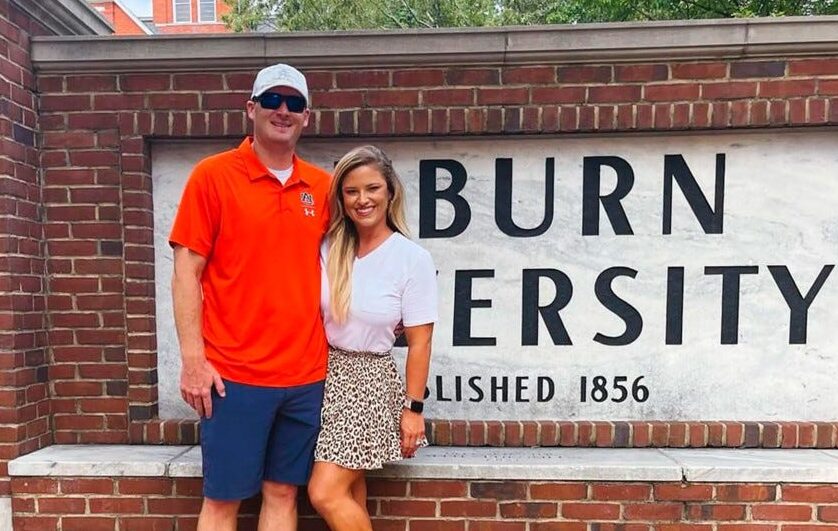
Lindsay Shiver is a Houston Academy graduate, former Miss National Peanut Festival contestant, and Auburn University cheerleader. Long before she became a fixture of national news coverage, she was known in the Wiregrass area for her beauty-pageant background and her marriage to Robert Shiver, a former Auburn University football player who briefly played professionally.
The couple lived a high-profile life in southwest Georgia with their children, and Robert built a reputation as a prominent local businessman. Their marriage, and its very public unraveling, is now central to one of the most closely watched criminal cases involving an American citizen abroad.
What Is Lindsay Shiver Accused Of?
Lindsay Shiver is charged with conspiracy to commit murder under Bahamian law. Prosecutors allege that she conspired with her boyfriend at the time, a Bahamian bartender, and a third man to have her husband, Robert Shiver, killed while the couple was in the middle of a bitter divorce and custody dispute.
According to Bahamian investigators, the case came together almost by accident. Police were looking into an unrelated burglary at a bar in the Bahamas and, while reviewing a suspect’s phone as part of that investigation, discovered a WhatsApp group chat that authorities say included Shiver, her alleged boyfriend, and the man accused of being the intended hitman. Investigators claim the messages included a photo of Robert Shiver along with a chilling instruction to have him killed.
All three individuals, Lindsay Shiver, her co-defendant boyfriend, and the alleged hitman, were arrested in the Bahamas in July 2023. Robert Shiver was not harmed, and all three defendants have consistently pleaded not guilty.
The Divorce That Set the Stage
To understand the criminal case, it helps to understand the marriage that preceded it. Robert Shiver filed for divorce in April 2023, alleging that Lindsay had been unfaithful. Lindsay’s side of the story, through her attorneys, has painted a more complicated picture, including claims made during the divorce proceedings about the state of the relationship before the alleged plot was ever uncovered.
The divorce and the criminal case have run on parallel tracks for years, and each has periodically spilled into the other. In 2026, a Georgia judge denied a request from Robert Shiver to seal the entire divorce record, a decision that allows Lindsay’s defense team to use materials from the divorce case as part of her criminal defense in the Bahamas. The judge in that ruling acknowledged that the couple’s children have likely been exposed to significant media coverage of the case, but concluded that sealing the file at this stage would not undo the attention the situation has already received.
Custody of the children currently rests with Robert Shiver, while Lindsay has been permitted limited, supervised travel to Georgia to see them under the terms of her bail conditions in the criminal case.
A Case Marked by Repeated Delays
If there’s one word that best describes the Lindsay Shiver case since her 2023 arrest, it’s “delayed.” The trial, originally expected to happen far sooner, has been pushed back multiple times, first to 2025, then to March 2026, and now to November 2026, making it more than three years since the original arrest.
Some of those delays have come from routine scheduling issues in the Bahamian court system. Others have been more dramatic. In late 2024, Shiver’s bail was revoked after a judge determined that she and her co-defendant had violated pre-trial publicity restrictions by participating in televised interviews about the case, including an appearance on Good Morning America. The judge overseeing the case characterized the media appearance as a disregard for the court’s leniency, and an appellate court later upheld the decision to revoke bail. Shiver was returned to custody in the Bahamas before eventually being allowed back into the U.S. under strict conditions, including electronic monitoring and a requirement that she remain at a designated address in Alabama.
The Push to Dismiss the Charges
The most significant recent development in the case is a motion filed by Shiver’s legal team seeking to have the charges thrown out entirely. Her attorneys argue that Bahamian authorities never had jurisdiction to arrest or charge her in the first place, because the WhatsApp messages at the center of the case were allegedly sent while she was still in the United States, before she had even arrived in the Bahamas.
If a Bahamian court agrees, the case could be dismissed without ever going to a full trial. Shiver’s legal team has also signaled she may pursue a civil claim against Bahamian law enforcement for what they characterize as a wrongful arrest, should the jurisdictional argument succeed.
Notably, Shiver’s attorneys have also pushed back on how the case has been described in the media. One of her lawyers publicly disputed the characterization of the case as a “murder-for-hire” plot, arguing that no such specific allegation exists in the actual charging documents and that years of reporting have misrepresented the nature of the case against her.
A ruling on the dismissal motion was expected from the Bahamian court in the second half of 2026. As of this writing, the trial remains tentatively scheduled to move forward if the motion is denied.
Why This Case Has Captured National Attention
Several factors have combined to keep the Lindsay Shiver case in the headlines far longer than most criminal proceedings:
- The contrast between her public image and the allegations. A former pageant contestant and cheerleader accused of plotting a killing is a jarring narrative shift that naturally draws media coverage.
- The international dimension. An American citizen facing serious criminal charges in a foreign court system, with all the jurisdictional and procedural questions that raises, is relatively rare and legally complex.
- The overlapping divorce and custody battle. The criminal case didn’t emerge in a vacuum; it grew directly out of an already contentious divorce, giving the story an added layer of personal drama.
- Repeated bail violations and revocations. The back-and-forth over Shiver’s bail conditions, including a revocation tied to a national television interview, has added new chapters to the story at unpredictable intervals.
What Happens Next
With a dismissal motion pending and a trial date on the calendar for later in 2026, the Lindsay Shiver case remains very much unresolved. If the jurisdictional challenge succeeds, the case could end without a verdict. If it fails, the long-delayed trial will finally move forward, putting the WhatsApp messages, the timeline of the alleged conspiracy, and the testimony of everyone involved in front of a Bahamian court.
Either way, the outcome will have consequences well beyond the courtroom, for the ongoing custody arrangement involving Shiver’s children, for the civil case her attorneys have floated against Bahamian authorities, and for a story that has already spent three years captivating true-crime audiences across the country.
This article reflects publicly reported information as of August 2026. As the case is ongoing, details may change as court proceedings continue.