

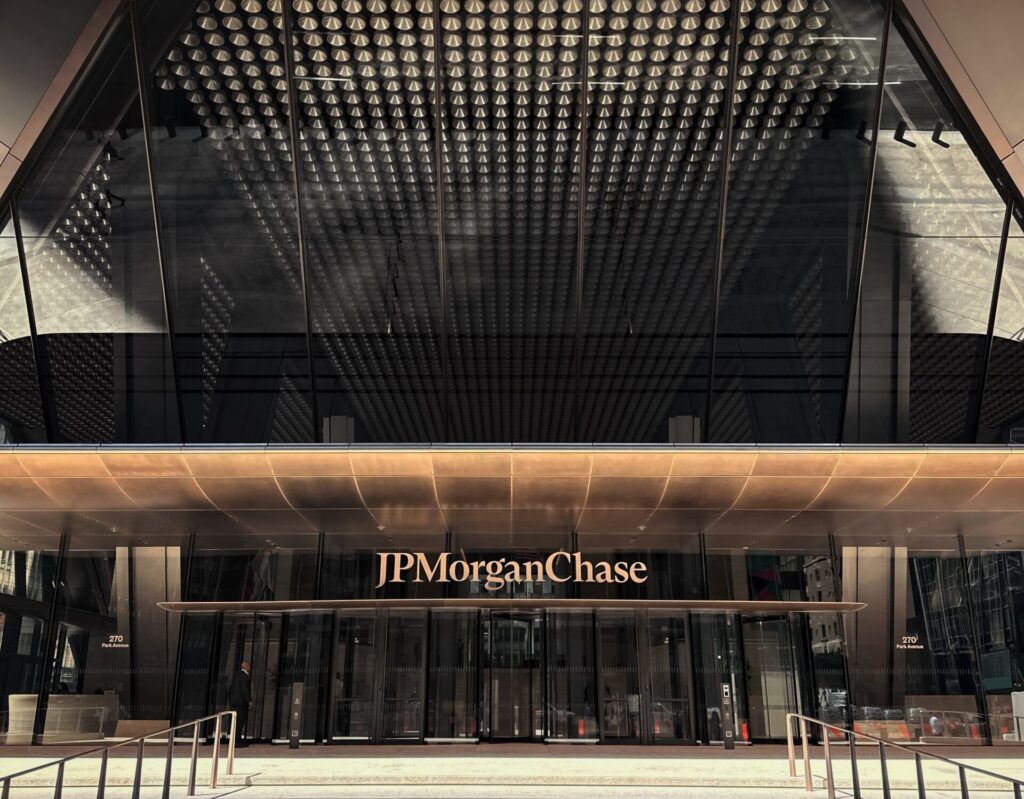
Lorna Hajdini, a JPMorgan Chase executive director, became the subject of widespread media attention in 2026 after a former colleague filed a civil lawsuit accusing her of sexual misconduct. Hajdini has denied the allegations and filed her own countersuit, and the case, often referred to in media coverage as the “Wall Street sex scandal,” has continued to develop through 2026. Here’s a factual, updated overview of what’s known about the case.
Who Is Lorna Hajdini?
Before the lawsuit, Lorna Hajdini worked as an executive director in leveraged finance at JPMorgan Chase, one of the largest investment banks in the world. She built her career in investment banking over a number of years before becoming the subject of national and international media coverage following the allegations that emerged in 2026.
The Original Lawsuit
The case began on April 27, 2026, when a lawsuit was filed in New York Supreme Court naming Hajdini and JPMorgan Chase as defendants. The plaintiff, initially identified in court filings as a John Doe and later reported by multiple outlets to be former JPMorgan vice president Chirayu Rana, alleged that Hajdini used her seniority and supervisory authority over his assignments, evaluations, compensation, and career advancement to subject him to unwanted sexual conduct.
According to the allegations detailed in the complaint, the plaintiff claimed Hajdini threatened to sabotage his career if he did not comply with her demands, and the lawsuit included allegations of nonconsensual sexual contact, coercion, and, in one instance, being drugged without his knowledge. The lawsuit quickly drew significant media coverage and went viral online, generating widespread public commentary, including memes and other content referencing Hajdini by name.
Hajdini’s Response and Countersuit
Hajdini has denied the allegations against her. Her legal team disputed several elements of the plaintiff’s claims, including his characterization of her as his direct supervisor. In mid-July 2026, Hajdini filed her own lawsuit against her accuser, alleging defamation and libel. In her filing, she claimed that the allegations against her were fabricated and had caused severe harm to her reputation, career, personal relationships, and emotional well-being.
Hajdini’s attorneys have stated that she and her family faced significant online harassment following the case’s viral spread, including what they described as a large volume of degrading and sexually explicit content, some of it AI-generated, created in response to the allegations. In court filings, her legal team argued that this harassment illustrated the broader harm caused by what they characterized as fabricated claims.
Additional Allegations and Legal Developments
As the case progressed through 2026, additional claims were filed by the original plaintiff, including further allegations involving other alleged incidents. In July 2026, a federal civil rights complaint was also filed in the United States District Court for the Southern District of New York, naming JPMorgan Chase, Hajdini, and two additional bank managing directors as defendants, and alleging a broader pattern of misconduct, racism, and retaliation connected to the case.
The case has also moved between different court venues. A judge ruled that the matter could proceed in federal court, a development legal analysts have suggested could affect the trajectory of the case. Hajdini’s accuser has also acknowledged, according to court filings, that he initially attributed some claims to a different employer before correcting the record, which he has said was due to fear of retaliation rather than any attempt to mislead the court.
Where the Case Currently Stands
As of the most recent developments in mid-2026, the case remains an active and unresolved legal matter, with both the original allegations and Hajdini’s countersuit proceeding through the court system. JPMorgan Chase has also been named as a defendant in the litigation, adding an institutional dimension to the case beyond the dispute between the two individuals directly involved.
Given the seriousness and contested nature of the allegations, and the fact that no findings of fact or legal determinations have yet been made public regarding the core claims, it’s important to note that both sides continue to strongly dispute the other’s version of events, and the matter remains before the courts.
Why This Case Has Drawn Widespread Attention
Beyond the specific allegations involved, the case has drawn broader public interest due to its intersection with several high-profile themes: workplace power dynamics on Wall Street, questions about gender and sexual misconduct allegations in professional settings, and the way viral online attention, including memes and AI-generated content, can shape public perception of individuals involved in ongoing legal disputes, regardless of a case’s ultimate outcome.
Legal commentators have also pointed to the case as a notable example of the reputational risks individuals can face once allegations become the subject of widespread online virality, particularly before any legal resolution has occurred.
Final Thoughts
The legal dispute involving Lorna Hajdini remains ongoing, with serious allegations made by both parties that continue to be contested in court. As the case proceeds, including the broader federal complaint and continued litigation between Hajdini and her accuser, the eventual outcome will likely depend on evidence and testimony presented as the case moves forward. Given the ongoing and disputed nature of the claims involved, readers should treat the allegations on both sides as unproven claims currently before the courts, rather than established fact.