

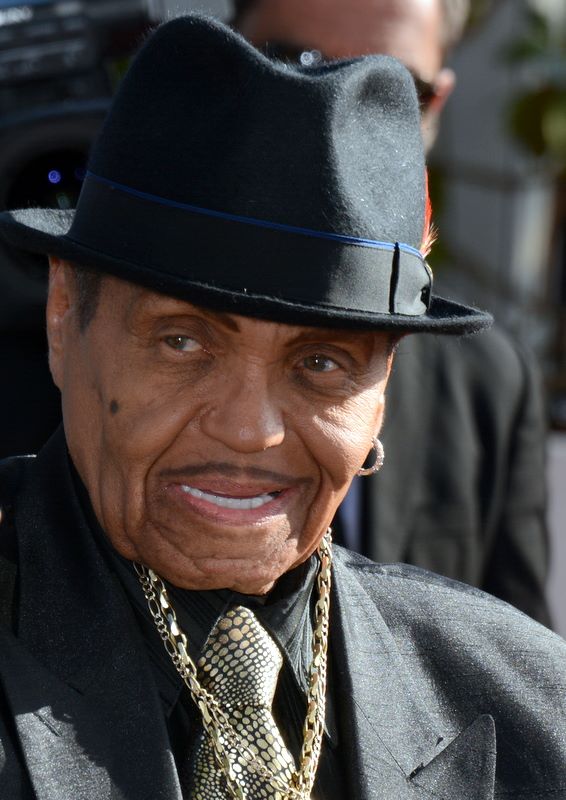
When people search for “Michael Jackson dad,” they are almost always looking for information about Joseph Walter Jackson, better known as Joe Jackson. As the father of the King of Pop and the driving force behind the Jackson 5, Joe Jackson remains one of the most influential and controversial figures in modern music history. His story is inseparable from the rise of one of the most successful entertainment families of all time, yet it is also marked by allegations of strict discipline that many of his children later described as abusive.
This in-depth look at Michael Jackson’s dad explores Joe Jackson’s early life, his role in launching his children’s careers, the complicated family dynamics, and the lasting impact he left on music and popular culture.
Early Life of Joe Jackson
Joseph Walter Jackson was born on July 26, 1928, in Fountain Hill, Arkansas (some sources list 1929). He was the oldest of five children born to Samuel Joseph Jackson, a schoolteacher, and Crystal Lee King. Growing up in the rural South during the Great Depression and the era of Jim Crow laws shaped his worldview. His parents separated when he was around 12 years old. Joe briefly lived with his father in Oakland, California, before eventually joining his mother in East Chicago, Indiana.
As a young man, Joe showed promise as a Golden Gloves boxer and aspired to a professional career in the ring. He also played guitar and performed in local rhythm-and-blues bands, including one called the Falcons, but never achieved commercial success as a musician himself. After a brief early marriage that was annulled, he met Katherine Esther Scruse at a party. The two married on November 5, 1949, and settled in Gary, Indiana.
In Gary, Joe worked as a crane operator at a steel mill, often putting in long hours for modest pay. Katherine worked part-time as well. The couple went on to have ten children: Rebbie, Jackie, Tito, Jermaine, La Toya, Marlon, Brandon (Marlon’s twin, who died shortly after birth), Michael, Randy, and Janet. The family lived in a small two-bedroom house on Jackson Street, where money was tight, and opportunities felt limited.
Building the Jackson 5
Joe Jackson’s own unrealized musical ambitions found a new outlet when he discovered his sons’ talent. After catching Tito playing his guitar (and reportedly breaking a string), Joe decided the boys should form a group. He initially organized Jackie, Tito, and Jermaine into the Jackson Brothers. When younger brothers Marlon and Michael joined, the group became the Jackson 5.
As manager, Joe imposed a rigorous schedule. The children rehearsed for hours after school, often under his direct supervision. He entered them in local talent shows and competitions across the Midwest, refining their performances with a focus on tight choreography, strong vocals, and stage presence. Michael, the youngest and most naturally gifted of the performing brothers at the time, quickly emerged as the standout.
The hard work paid off. The Jackson 5 signed with Motown Records in 1968. Their first four singles, “I Want You Back,” “ABC,” “The Love You Save,” and “I’ll Be There”, all reached No. 1 on the Billboard Hot 100, an unprecedented achievement. Joe’s strict oversight and business instincts helped transform a group of working-class kids from Gary into international stars. The family eventually moved to California, and the success of the Jackson 5 laid the foundation for Michael’s later solo career and Janet’s rise as a major artist in her own right.
Joe continued managing aspects of his children’s careers for years, including early guidance for Janet. He was later inducted into the Arkansas Black Hall of Fame and the Rhythm and Blues Music Hall of Fame in recognition of his role in shaping the family’s success.
The Darker Side of Discipline
While many credit Joe Jackson’s determination for the family’s achievements, his methods have been widely criticized. Multiple children, including Michael, publicly described a childhood marked by physical and emotional pressure. Michael spoke in detail during a 1993 interview with Oprah Winfrey about being whipped with belts and switches during rehearsals, enduring long practice sessions, and feeling deep loneliness and fear. He recalled that the sight of his father could make him sick to his stomach. Michael also said his father mocked his appearance, particularly calling attention to his nose, which contributed to lifelong insecurities.
Other siblings offered similar accounts of strict rules, limited free time, and physical punishment. Joe required the children to address him as “Joseph” rather than “Dad,” a detail several later said created emotional distance. La Toya Jackson alleged sexual abuse in her memoir, claims that have been disputed within the family. Joe consistently downplayed or denied the most severe accusations. He acknowledged using switches and belts for discipline but rejected the characterization of “beating,” arguing that his approach prepared the children for the tough realities of the entertainment industry.
Michael’s relationship with his father remained complex throughout his life. He fired Joe as his manager in 1979 as he took greater control of his solo career. The other brothers followed in the early 1980s. Despite the pain, Michael sometimes referred to his father as a “managerial genius” and held events honoring him at Neverland Ranch. He expressed a desire for the loving father figure he felt he never fully had, while also acknowledging the role discipline played in his success.
Later Years and Family Strains
Joe Jackson’s personal life included publicized infidelities. He fathered a daughter, Joh’Vonnie Jackson, outside his marriage. Katherine filed for divorce twice but withdrew the petitions both times; the couple remained legally married until Joe’s death, though they lived separately for many years.
After being sidelined from his children’s professional lives, Joe pursued other ventures, including attempts to launch new talent and public appearances. When Michael died in 2009, his will left nothing to his father, directing the estate primarily toward Katherine, Michael’s children, and charity. Joe sought financial support from the estate at one point but later withdrew the request. He also filed a wrongful-death lawsuit related to Michael’s death.
Joe spent his final years largely in Las Vegas. He died on June 27, 2018, at age 89 from pancreatic cancer, two days after the ninth anniversary of Michael’s death. Family members surrounded him at the end. Estimates put his net worth at around $500,000 at the time of his death, a modest figure compared with the fortunes generated by the careers he helped launch.
The Lasting Impact of Michael Jackson’s Dad
Joe Jackson’s story resists simple categorization. On one hand, he was a working-class man from the South who recognized extraordinary talent in his children and pushed them relentlessly toward opportunities he never had. Without his drive, the Jackson 5 might never have broken through, and the cultural impact of Michael Jackson and Janet Jackson could have looked very different. On the other hand, the methods he used left deep scars that several of his children carried into adulthood and spoke about publicly.
The phrase “Michael Jackson dad” often brings up both the image of a tough, ambitious patriarch and the more painful accounts of control and punishment. Music history is full of complex parent-manager relationships, but few have been as high-profile or as closely examined as this one. Joe’s approach reflected the era, his own difficult upbringing, and the intense competition of the music business in the 1960s and 1970s. At the same time, modern conversations about child stars, mental health, and parental boundaries have led many to view those methods more critically.
Today, the Jackson family legacy continues through new generations and ongoing interest in the music. Fans and historians still debate the balance between the success Joe helped create and the personal cost. What remains clear is that Joseph Walter Jackson was central to one of the most remarkable stories in entertainment. Understanding Michael Jackson’s dad means grappling with both the triumphs and the turmoil that defined the family’s path from a small house in Gary, Indiana, to global stardom.
Joe Jackson’s influence endures in the recordings, the performances, and the conversations that continue decades later. For better and for worse, the man behind the early careers of Michael Jackson and his siblings shaped not only a musical dynasty but also the way the public thinks about the price of fame.