
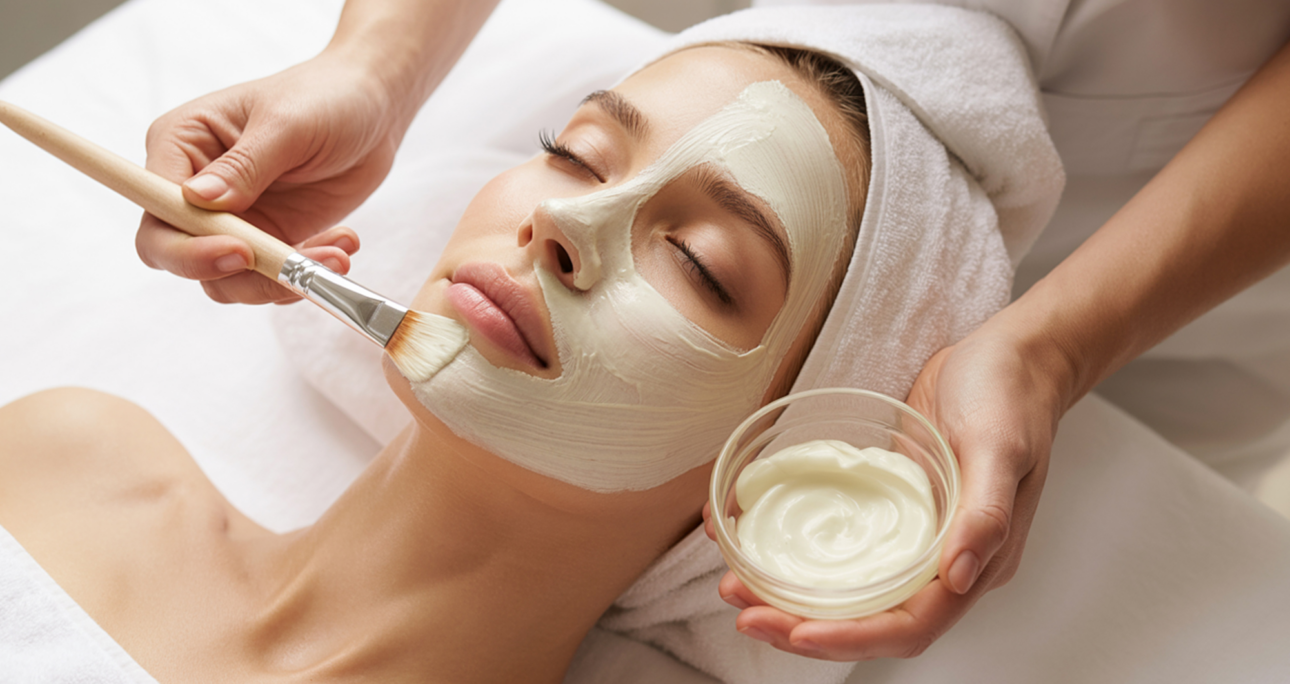
If you’re dealing with breakouts, the face mask aisle can feel overwhelming. Clay, charcoal, sulfur, salicylic acid, tea tree oil- every product seems to promise clearer skin, but not every acne mask is created equal. The key to actually seeing results is understanding which ingredients target which type of acne, and how to use masks in a way that supports your skin rather than working against it. Here’s a complete guide to the best face masks for acne in 2026, along with the science behind what actually works.
What Makes a Face Mask Good for Acne-Prone Skin
Before shopping for a new mask, it helps to understand what dermatologists generally look for in an effective acne treatment. The best face masks for acne tend to be non-comedogenic, meaning they won’t clog pores, and fragrance-free, reducing the risk of irritation for skin that’s already inflamed. Beyond that, effectiveness usually comes down to active ingredients backed by real evidence, rather than trendy packaging or marketing claims.
It’s also worth noting that a face mask alone typically isn’t enough to manage moderate to severe acne. Dermatologists generally recommend masks as a supportive part of a broader skincare routine, not a replacement for consistent daily care or, when needed, prescription treatment. Persistent, painful, or scarring acne is worth having evaluated by a dermatologist rather than treated with over-the-counter masks alone.
Key Ingredients to Look For
Different acne-fighting ingredients target different underlying causes of breakouts, so matching the ingredient to your specific skin concern tends to matter more than simply choosing whatever mask is trending.
- Salicylic Acid (BHA): A go-to ingredient for blackheads and clogged pores, salicylic acid penetrates into the pore lining to help dissolve built-up sebum and dead skin cells.
- Sulfur: Known for its antimicrobial and oil-reducing properties, sulfur is often recommended for inflamed, cystic breakouts, including body acne on the chest, back, or shoulders.
- Clay (Kaolin or Bentonite): A long-used dermatological ingredient that helps absorb excess oil, making it especially useful for oily, acne-prone skin types.
- Niacinamide: Helps calm redness and inflammation without over-drying the skin, making it a strong option for acne-prone skin that’s also sensitive or reactive.
- Tea Tree Oil: Research has found that tea tree oil, at concentrations up to about 5%, can be comparable to benzoyl peroxide in reducing acne lesions, with notably less irritation. In face masks, tea tree oil is generally considered safe at concentrations of 1% or less.
- Benzoyl Peroxide: An effective antibacterial ingredient that targets acne-causing bacteria directly, though it can be more drying and irritating than some alternatives.
What to Avoid in an Acne Mask
Just as important as knowing what to look for is knowing what to avoid. Heavy, occlusive masks with rich oils can trap bacteria and worsen breakouts, while harsh physical scrubs can create micro-tears in the skin that spread bacteria and increase irritation. Masks that sting, burn, or leave skin feeling excessively tight and dry can also backfire, since over-stripping the skin barrier often triggers the skin to produce even more oil in response, potentially worsening breakouts over time.
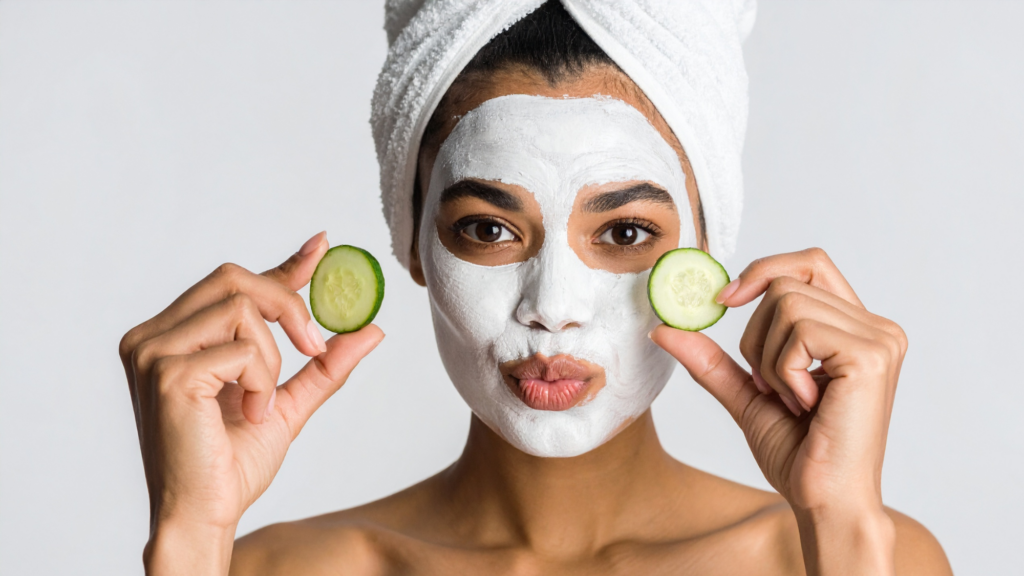
Best Face Masks by Acne Type
For Oily, Congested Skin: Clay Masks
Clay masks remain one of the most reliable options for oily, acne-prone skin, thanks to their ability to absorb excess sebum and help minimize the appearance of clogged pores. Kaolin and bentonite clay formulas, often combined with salicylic acid, tend to be widely recommended for this skin type, including accessible drugstore options from brands like Origins and The Ordinary.
For Inflamed, Cystic Breakouts: Sulfur Masks
For deeper, more inflamed breakouts, sulfur-based treatments tend to be especially effective, thanks to their antimicrobial and anti-inflammatory properties. Sulfur masks and spot treatments are also commonly recommended for body acne, since they don’t require the same precise application as many facial-specific treatments.
For Blackheads and Clogged Pores: Salicylic Acid Masks
Salicylic acid masks are particularly well-suited for blackheads and general pore congestion, since the ingredient is oil-soluble and able to penetrate directly into the pore to help clear buildup. Sheet mask and gel mask formats featuring salicylic acid have become increasingly popular and widely available in 2026.
For Sensitive, Reactive Acne-Prone Skin: Niacinamide and Centella Masks
For those with sensitive skin that’s also prone to breakouts, gentler hydrogel or sheet mask formulas built around niacinamide, centella asiatica, and allantoin tend to calm inflammation and support the skin barrier without the harsher, more drying effect of stronger active ingredients. Korean skincare brands in particular have built a strong reputation in this category, with popular options featuring ingredients like centella, sea kelp, and hyaluronic acid to help hydrate while still supporting acne-prone skin.
For Overnight Treatment: Leave-On Masks
Overnight or “sleeping” masks have also grown in popularity as a way to extend treatment time while you sleep, allowing active ingredients more time to work. For acne-prone skin specifically, overnight formulas featuring niacinamide tend to be a safer bet than heavier, more occlusive overnight formulas designed primarily for dry or mature skin.
How Often Should You Use an Acne Mask
Overuse is one of the most common mistakes people make with acne masks. Using a mask too frequently, or leaving it on longer than recommended, can strip the skin’s natural barrier, which often leads to increased oil production and, ironically, more breakouts. Most acne-focused masks are designed for use just one to three times per week, depending on the strength of the active ingredients involved. Always follow the specific product’s instructions, and be sure to moisturize afterward, even if you have oily skin, since well-hydrated skin tends to produce less excess oil overall.
Patch Testing Matters
Before incorporating any new acne mask into your routine, dermatologists generally recommend patch testing on a small area of skin first, particularly for masks containing stronger actives like salicylic acid, benzoyl peroxide, or sulfur. This is especially important for those with sensitive skin or anyone currently using prescription acne medications, since combining multiple active ingredients can sometimes increase the risk of irritation.
Final Thoughts
The best face mask for acne isn’t necessarily the most expensive or the most talked-about product on social media; it’s the one formulated with the right active ingredients for your specific skin concerns. Whether you’re dealing with oily, congested pores, inflamed cystic breakouts, or sensitive acne-prone skin that needs a gentler approach, there’s a well-matched mask formula available for nearly every situation. As with any acne treatment, consistency matters more than intensity, and pairing the right mask with a broader, dermatologist-approved skincare routine will generally deliver better long-term results than any single product on its own.
This article is for general informational purposes and isn’t a substitute for personalized medical advice. If you’re dealing with persistent, painful, or severe acne, consider consulting a dermatologist for a treatment plan tailored to your skin.