

The Modern Socialite’s Guide to Keeping Dogs Healthy and Happy
City life is busy, social calendars fill up quickly, and the pace of modern living rarely slows down. Yet for many people, dogs remain an important part of that lifestyle. Be it accompanying their owners on weekend outings, lounging at home after a long day, or joining daily walks through the neighborhood, dogs thrive when they are cared for with intention.
Maintaining a healthy and happy dog does not require complicated routines. Instead, it comes down to consistent habits that support both physical and emotional well-being. For dog owners who juggle active schedules, understanding these simple but meaningful practices can make a significant difference in a dog’s overall quality of life.
This guide explores practical ways to keep dogs feeling their best while fitting naturally into a modern, socially active lifestyle.
Prioritize Daily Movement and Mental Stimulation
Dogs are naturally active animals. Even breeds that enjoy lounging indoors still benefit from daily exercise and mental engagement. Movement supports joint health, maintains a healthy weight, and reduces boredom-driven behaviors.
Daily walks remain one of the simplest ways to provide this stimulation. They offer physical activity while allowing dogs to explore new smells and environments. A quick morning walk before work and a longer stroll in the evening can help establish a consistent routine.
Beyond walking, mental stimulation plays an equally important role. Puzzle toys, scent games, and short training sessions keep a dog’s mind active. These activities do not require much time but can greatly improve focus and reduce restlessness.
For social dog owners, dog-friendly parks and outdoor cafés can also provide opportunities for interaction. Many dogs enjoy meeting new people and animals, and these environments can help build confidence and adaptability.
Build a Consistent Wellness Routine
Just like people, dogs benefit from routines that support long-term health. Consistency with meals, sleep, exercise, and grooming helps their bodies stay balanced.
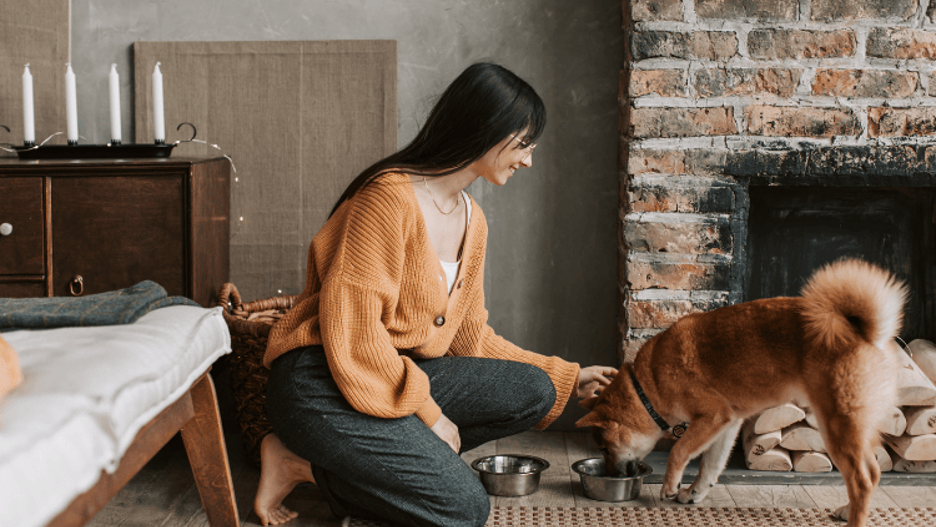
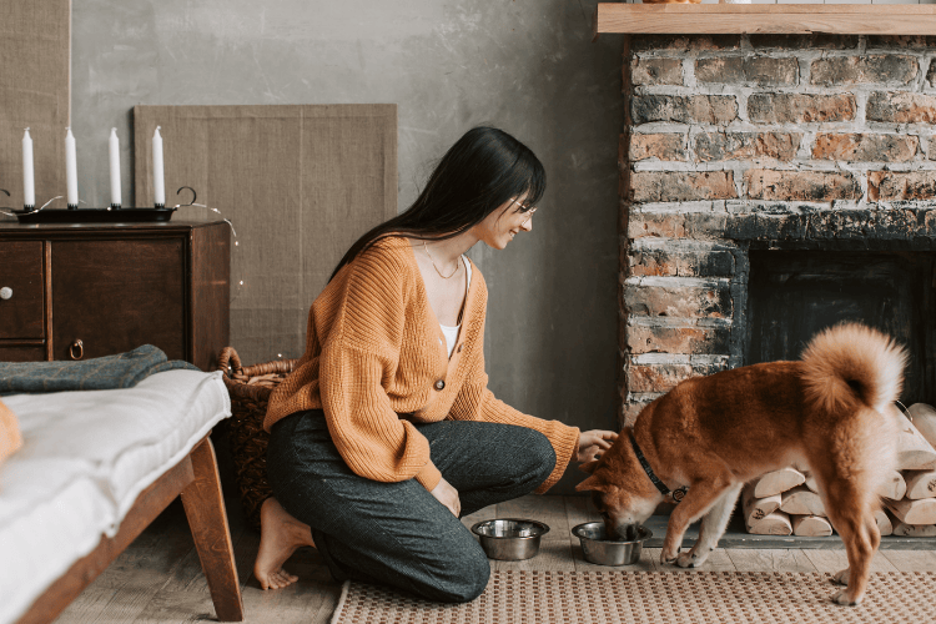
A stable feeding schedule helps regulate digestion and energy levels. Providing high-quality food and fresh water daily is the foundation of good nutrition. Many owners also incorporate supplements or functional treats that address specific wellness needs, such as immune support or digestive balance.
Brands like Pup Labs focus on products designed to complement everyday nutrition for dogs. Thoughtfully chosen additions to a dog’s routine can help support overall vitality without disrupting their normal diet.
Grooming routines are another important part of wellness. Regular brushing, nail trimming, and dental care keep dogs comfortable and prevent minor issues from becoming larger problems.
When these habits become part of daily life, maintaining a dog’s health feels less like a task and more like a natural extension of caring for a companion.
Support Immune Health Through Thoughtful Nutrition
A dog’s immune system plays a central role in overall health. Strong immune function helps dogs stay resilient as they encounter new environments, other animals, and everyday stressors.
Balanced nutrition provides the building blocks for that resilience. Quality proteins, healthy fats, and essential nutrients support immune system function. Many dog owners also explore functional treats designed to support immune health as part of a broader wellness routine.
For example, incorporating supplements such as Pup Labs dog treats can fit easily into a dog’s daily schedule. These types of products offer a convenient way to provide additional support alongside regular meals, especially for active dogs that spend time outdoors or socialize frequently.
The key is moderation and consistency. Functional treats work best when used as a complement to a balanced diet rather than as a replacement for proper nutrition.
Make Social Time Dog-Friendly
For people who enjoy social gatherings and outings, including dogs in certain activities can strengthen the bond between owner and pet. Fortunately, many urban spaces now welcome well-behaved dogs.
Dog-friendly patios, parks, and walking trails offer opportunities for both humans and dogs to socialize. These outings also expose dogs to new sights and sounds, helping them remain adaptable in different environments.
However, thoughtful preparation helps ensure these experiences remain positive. Bringing water, keeping dogs on appropriate leashes, and recognizing signs of fatigue or overstimulation are important considerations.
Short, enjoyable outings tend to work best. Dogs that are comfortable and relaxed during social activities are more likely to enjoy them again in the future.
Create Calm Moments at Home
Even the most energetic dogs need downtime. A calm, comfortable home environment allows dogs to recharge between activities.
Creating a dedicated resting area can help dogs settle more easily. A supportive bed placed in a quiet corner of the home gives them a consistent place to relax. Some dogs prefer spaces where they can still observe their surroundings, while others enjoy more secluded areas.
Quiet activities like gentle grooming, light stretching, or simple bonding time can also help dogs unwind. These moments strengthen the relationship between dog and owner while reinforcing feelings of safety and trust.
In homes with busy schedules, maintaining these calm routines becomes especially important. Dogs that receive both stimulation and rest tend to maintain more balanced behavior overall.
Pay Attention to Behavioral Signals
Dogs communicate constantly through body language and behavior. Recognizing these signals allows owners to respond quickly to a dog’s needs.
Changes in appetite, energy levels, or mood can sometimes indicate underlying issues. A dog that suddenly avoids walks or becomes unusually withdrawn may benefit from closer observation or a veterinary checkup.
Similarly, subtle signs of stress during social outings, such as excessive panting, pacing, or retreating, may suggest that a dog needs a quieter environment. Attentive owners often learn their dog’s patterns over time. This awareness helps create routines that support comfort and confidence.
Conclusion
Keeping dogs healthy does not require dramatic lifestyle changes. Instead, it involves consistent care, thoughtful nutrition, regular movement, and attentive companionship. These everyday practices allow dogs to thrive alongside their owners, even in busy, socially active lifestyles.
By building simple routines that balance activity, wellness, and rest, dog owners can support long-term health while strengthening the bond they share with their pets. Over time, these small efforts create a foundation for a happier and more fulfilling life for both dogs and the people who care for them.