

Screens are woven into nearly every part of modern life. Work, entertainment, communication, and even relaxation often revolve around digital devices. While this constant connectivity offers convenience, it can also lead to mental fatigue, shorter attention spans, and a sense of disconnection from the physical world.
That’s why more people are seeking out offline hobbies. These activities provide a break from notifications, encourage deeper focus, and create space for creativity and reflection. If you’re feeling overwhelmed by screen time, exploring offline hobbies can help you reset your routine in a meaningful way.
Below are some of the most rewarding offline hobbies to consider, each offering a different way to reconnect with your time and attention.
1. Reading Physical Books for Deeper Focus
Reading a physical book offers a level of immersion that screens rarely match. Without pop-ups or multitasking, your mind has the chance to settle into a single narrative or idea.
Books also create a more tactile experience. The act of turning pages, remembering where you left off, and physically seeing your progress can make reading feel more satisfying. Over time, building a small collection of books can reflect your interests and intellectual journey.
To make reading a consistent habit:
- Set aside a dedicated time each day, such as before bed
- Choose books that genuinely interest you rather than what feels “productive”
- Keep a book within reach to replace idle scrolling moments
This hobby is particularly useful for rebuilding concentration and reducing mental clutter caused by constant digital input.
2. Collecting and Listening to Vinyl Records
Vinyl records offer a completely different way to experience music. Instead of skipping tracks or letting playlists run in the background, listening to vinyl encourages you to engage with an album from start to finish.
The process itself is part of the appeal. Selecting a record, placing it on the turntable, and carefully dropping the needle creates a sense of intention. It slows things down and turns listening into an activity rather than passive noise.
Collecting records also introduces a visual and tactile element. Album artwork, inserts, and physical sleeves make each record feel like a piece of art. Over time, your collection becomes a reflection of your personal taste and memories tied to certain songs or artists.
For those starting out, stores like Evergreen Vinyl make it easier to explore both new releases and classic albums. Picking up something like Lorde’s Virgin album can be a simple entry point into vinyl listening, offering a more intentional way to enjoy music without relying on streaming platforms.
As a hobby, vinyl collecting sits at the intersection of music, nostalgia, and self-expression. It rewards patience and encourages you to value the experience of listening, not just the convenience of access.
3. Journaling to Organize Thoughts and Emotions
Journaling is a low-cost, flexible hobby that can have a noticeable impact on mental clarity. Writing by hand forces you to slow down and process your thoughts more carefully than typing on a screen.
There’s no single “right” way to journal. Some people prefer structured prompts, while others write freely about their day. The goal is simply to create space for reflection.
Regular journaling can help:
- Identify patterns in your thinking or behavior
- Reduce stress by externalizing worries
- Improve decision-making by organizing ideas clearly
Even a few minutes a day can make a difference. Over time, journals can also serve as a record of personal growth and experiences.
4. Cooking and Baking as Creative Outlets
Cooking is often seen as a daily necessity, but it can also become a creative and rewarding hobby. Preparing meals from scratch requires focus, experimentation, and patience, all of which help shift your attention away from screens.
Instead of relying on digital recipes every time, consider:
- Using a physical cookbook
- Memorizing a few staple dishes
- Adjusting recipes based on your preferences
Baking, in particular, introduces a structured form of creativity. Measuring ingredients and following steps carefully can feel almost meditative, while the end result offers a tangible reward.
This hobby not only reduces screen time but also builds a valuable life skill that benefits your everyday routine.
5. Creative Arts and Hands-On Projects
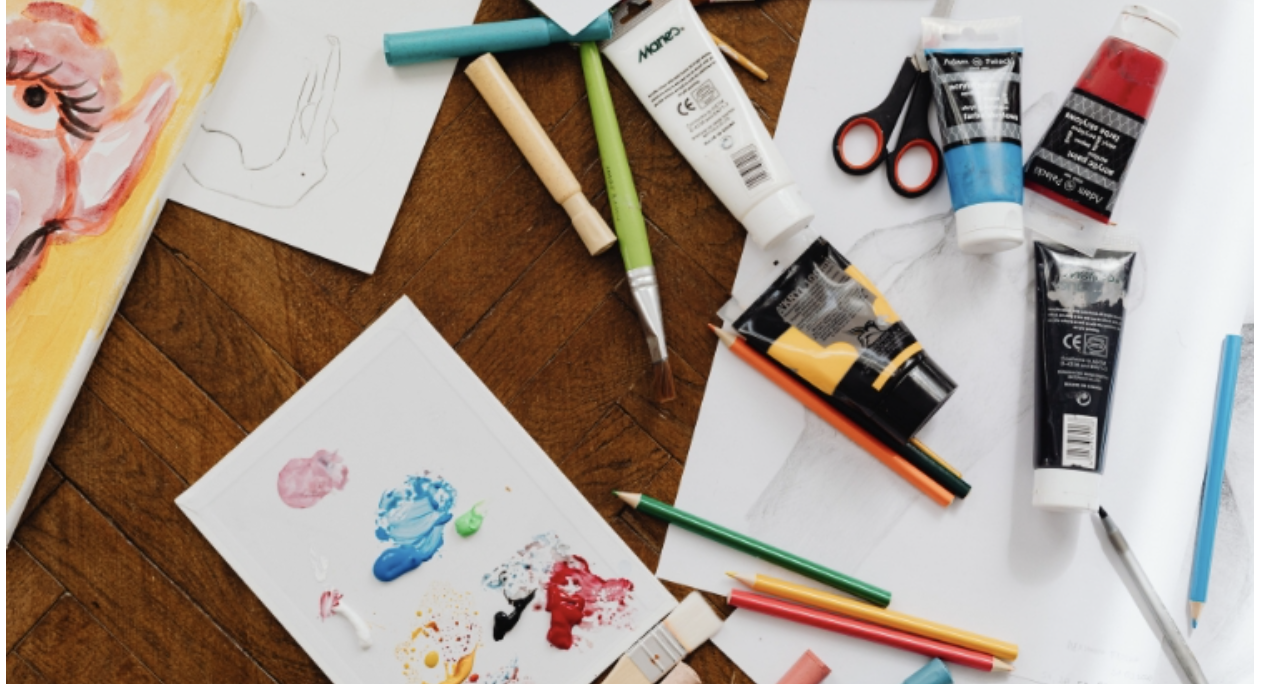
Engaging in creative activities provides a strong contrast to passive screen consumption. Whether it’s painting, drawing, knitting, or crafting, these hobbies require active participation and focus.
One of the key benefits is that they don’t demand perfection. In fact, the process itself is often more important than the outcome.
Some accessible options include:
- Sketching or doodling to build a daily creative habit
- Watercolor painting for a calming, low-pressure activity
- DIY crafts to personalize your living space
- Simple woodworking or building projects
These hobbies stimulate different parts of the brain compared to digital tasks, making them effective for reducing stress and improving overall well-being.
6. Walking Without Distractions
Walking is one of the simplest offline hobbies, yet it’s often overlooked. Taking a walk without constantly checking your phone can significantly change how you experience your surroundings.
Without distractions, you become more aware of:
- Your environment, including nature and architecture
- Your thoughts, without interruption
- The rhythm of your movement and breathing
To make walking more engaging:
- Explore new routes or neighborhoods
- Visit local parks or green spaces
- Set a loose intention, such as observing details you usually ignore
This practice not only reduces screen time but also supports both physical and mental health.
7. Board Games and Social Interaction
Not all offline hobbies need to be solitary. Board games and group activities provide a way to connect with others without relying on digital platforms.
Games encourage interaction in ways screens often don’t. They require attention, communication, and shared participation, which can strengthen relationships over time.
Benefits of social hobbies include:
- Improved communication skills
- Stronger personal connections
- Opportunities for collaboration and friendly competition
Even simple card games or casual board games can create meaningful experiences that feel more engaging than online interactions.
Conclusion
Reducing screen time doesn’t require drastic changes. Small, consistent shifts in how you spend your free time can have a lasting impact on your well-being. Offline hobbies offer a way to reconnect with your attention, creativity, and surroundings.
Whether you choose to read, cook, create, or simply take a walk, the goal is to engage more fully with the present moment. By making space for these activities, you can build a lifestyle that feels more balanced, intentional, and rewarding over time.