

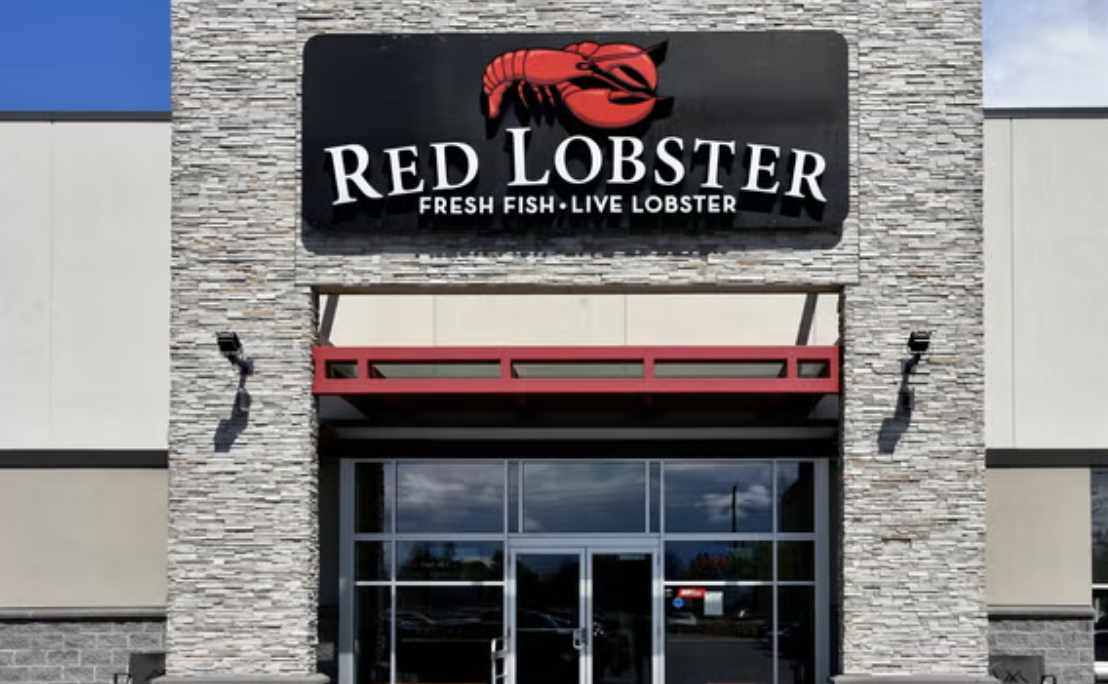
When people think of casual seafood dining in the United States, one name almost always comes to mind first: Red Lobster. For more than five decades, the chain has been synonymous with cheddar bay biscuits, all-you-can-eat shrimp deals, and a dining experience that brings coastal flavors to landlocked towns across the country. But Red Lobster is more than just a restaurant; it’s a cultural institution that has weathered massive ups and downs, including a headline-making bankruptcy, and is now working hard to reclaim its place at the table.
In this article, we’ll dive into the full story of Red Lobster: how it started, what makes its menu so beloved, the financial struggles it has faced in recent years, and where the brand stands today.
A Brief History of Red Lobster
Red Lobster’s story begins in 1968 in Lakeland, Florida, where the very first location opened its doors. The concept was simple but revolutionary for its time: bring fresh, affordable seafood to everyday American families in a casual, sit-down setting. Before Red Lobster, seafood dining was often viewed as an upscale, special-occasion affair. Red Lobster changed that perception entirely.
The chain grew rapidly throughout the 1970s and 1980s, was eventually acquired by General Mills, and later became part of Darden Restaurants, the same parent company that later oversaw brands like Olive Garden and LongHorn Steakhouse. At its peak, Red Lobster operated close to 700 locations across the United States and Canada, making it the largest seafood restaurant chain in the country.
For generations, Red Lobster became a go-to destination for birthdays, anniversaries, and family celebrations. Its identity was built around a promise: high-quality, ocean-fresh seafood without the fine-dining price tag.
What Makes the Red Lobster Menu So Iconic?
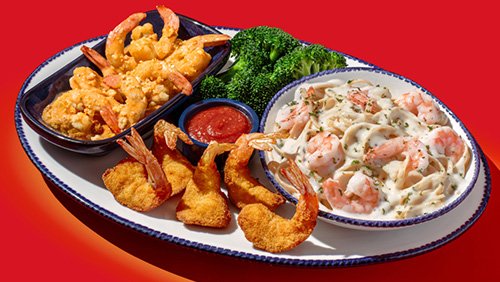
Ask any longtime fan what they love most about Red Lobster, and you’ll likely hear the same few answers again and again.
Cheddar Bay Biscuits
No discussion of Red Lobster would be complete without mentioning its legendary Cheddar Bay Biscuits. Warm, buttery, garlicky, and packed with cheddar cheese, these biscuits have developed a cult following so strong that Red Lobster sells the baking mix in grocery stores nationwide. For many guests, the biscuits alone are worth the visit.
Endless Shrimp
The Endless Shrimp promotion is arguably the most famous, and most infamous, item in Red Lobster’s history. The all-you-can-eat shrimp deal, offered in various forms since the 1990s, has become a beloved tradition for shrimp lovers. Ironically, an overly generous version of this promotion in 2023 became a major contributor to the financial losses that pushed the company toward bankruptcy. Despite that costly chapter, the promotion remains so popular with customers that the company has continued bringing it back in more carefully managed forms.
Signature Seafood Platters
From wood-grilled salmon to snow crab legs, lobster tails, and mixed seafood platters, Red Lobster’s menu is built for seafood lovers who want variety in one sitting. The chain has also worked to modernize its offerings in recent years, adding items like seafood boils and expanding its happy hour menu to appeal to younger diners and changing tastes.
A Menu for Every Occasion
Whether guests are looking for a quick lunch, a hearty family dinner, or a celebratory splurge on lobster and steak combos, Red Lobster’s menu is designed for flexibility. This broad appeal has long been part of the brand’s staying power.
The Red Lobster Bankruptcy: What Happened?
In May 2024, Red Lobster made national headlines when it filed for Chapter 11 bankruptcy protection in Florida. The filing wasn’t entirely surprising to industry watchers; the chain had reported a $76 million loss the previous year and had seen guest counts drop by roughly 30% since 2019.
Several factors contributed to the downturn:
- Rising costs. Seafood prices, labor costs, and expensive long-term leases squeezed profit margins.
- The Endless Shrimp miscalculation. A 2023 version of the promotion, priced too aggressively, led to significant losses.
- Shifting consumer habits. Changing dining preferences, inflation-weary customers, and increased competition from fast-casual concepts all played a role.
- Legacy debt and outdated locations. Many restaurants needed renovations that the company could no longer easily afford.
As part of the bankruptcy process, Red Lobster closed dozens of underperforming locations, with some estimates putting total closures well over 100 restaurants nationwide. The company’s footprint shrank from nearly 700 locations to roughly 540.
The Comeback: New Ownership and a Fresh Start
By late 2024, a federal bankruptcy judge approved Red Lobster’s reorganization plan, paving the way for a group of investors operating as RL Investor Holdings LLC to acquire the chain. This new ownership group, backed by asset manager Fortress, brought in a new CEO: Damola Adamolekun, previously known for his leadership at P.F. Chang’s.
Under this new leadership, Red Lobster has focused on several turnaround strategies:
- Menu innovation: introducing seafood boils, refreshed happy hour offerings, and reworked classics.
- Selective revival of Endless Shrimp: bringing back the fan-favorite promotion in more limited, financially sustainable formats.
- Restaurant renovations: starting with a small number of remodeled locations to test updated designs before a broader rollout.
- Cost discipline: renegotiating vendor contracts and streamlining corporate operations to control expenses amid rising seafood prices.
The results have been mixed. Sales have shown improvement: reportedly up around 10% year over year in recent reporting, but the chain has not yet returned to its pre-bankruptcy performance levels. Additional restaurant closures have continued into 2026 as the company continues reviewing its real estate portfolio, and some analysts have raised concerns about the chain’s long-term financial stability if losses continue.
Still, leadership has expressed optimism, emphasizing a long-term investment plan to modernize the brand while preserving the traditions that made it a household name in the first place.
Why Red Lobster Still Matters
Despite its financial turbulence, Red Lobster’s cultural relevance hasn’t disappeared. Here’s why the brand continues to hold a special place in American dining culture:
A Nostalgic Connection
For millions of Americans, Red Lobster isn’t just a restaurant, it’s tied to memories of family dinners, celebrations, and childhood visits. That emotional connection is difficult for competitors to replicate and continues to drive loyalty even during difficult times for the company.
Accessible Seafood Dining
Red Lobster remains one of the few large-scale chains offering a full seafood-focused menu at accessible price points. For many communities, especially those far from coastal cities, it’s one of the only convenient ways to enjoy a wide variety of seafood dishes in a casual sit-down setting.
A Test Case for Restaurant Industry Resilience
Red Lobster’s bankruptcy and recovery journey has become something of a case study in the broader restaurant industry, particularly as other major chains have faced similar financial pressures in recent years. Rising food and labor costs, expensive leases, and shifting consumer habits are challenges facing casual dining as a whole, and how Red Lobster navigates its turnaround may offer lessons for other legacy brands trying to modernize.
Tips for Getting the Best Red Lobster Experience Today
If you’re planning a visit, here are a few ways to make the most of it:
- Check for limited-time promotions. Since the relaunch, Red Lobster has periodically brought back Endless Shrimp and other seasonal deals; timing your visit around these promotions can offer the best value.
- Try the happy hour menu. Updated happy hour offerings provide a more budget-friendly way to sample the menu without committing to a full dinner.
- Ask about renovated locations. As the company rolls out remodeled restaurants, these updated locations often reflect the brand’s new direction most clearly.
- Don’t skip the biscuits. Some things never change, and the Cheddar Bay Biscuits remain one of the best reasons to visit.
Frequently Asked Questions About Red Lobster
Is Red Lobster still in business? Yes. After emerging from Chapter 11 bankruptcy under new ownership, Red Lobster continues to operate several hundred restaurants across the United States and Canada, though the company has closed several underperforming locations as part of its ongoing turnaround.
Why did Red Lobster file for bankruptcy? A combination of rising costs, an overly generous Endless Shrimp promotion, declining guest traffic, and outdated restaurants left the company with unsustainable losses, leading to its 2024 Chapter 11 filing.
Who owns Red Lobster now? Red Lobster is now owned by RL Investor Holdings LLC, a group backed by asset manager Fortress, after the company exited bankruptcy.
Does Red Lobster still offer Endless Shrimp? Yes, in a more limited, carefully managed format than the promotion that contributed to the company’s earlier financial troubles.
Final Thoughts
Red Lobster’s journey, from a small Florida seafood restaurant in 1968 to the largest seafood chain in America, through a highly publicized bankruptcy, and now into a new chapter under fresh ownership, is a story of resilience as much as it is about seafood. While challenges remain, the brand’s loyal customer base, iconic menu items, and renewed investment strategy suggest that Red Lobster’s story is far from over.
Whether you’re a lifelong fan of the Cheddar Bay Biscuits or simply curious about how a beloved American brand is fighting to reinvent itself, Red Lobster remains a fascinating case study in nostalgia, business strategy, and the ever-changing landscape of casual dining in the United States.