

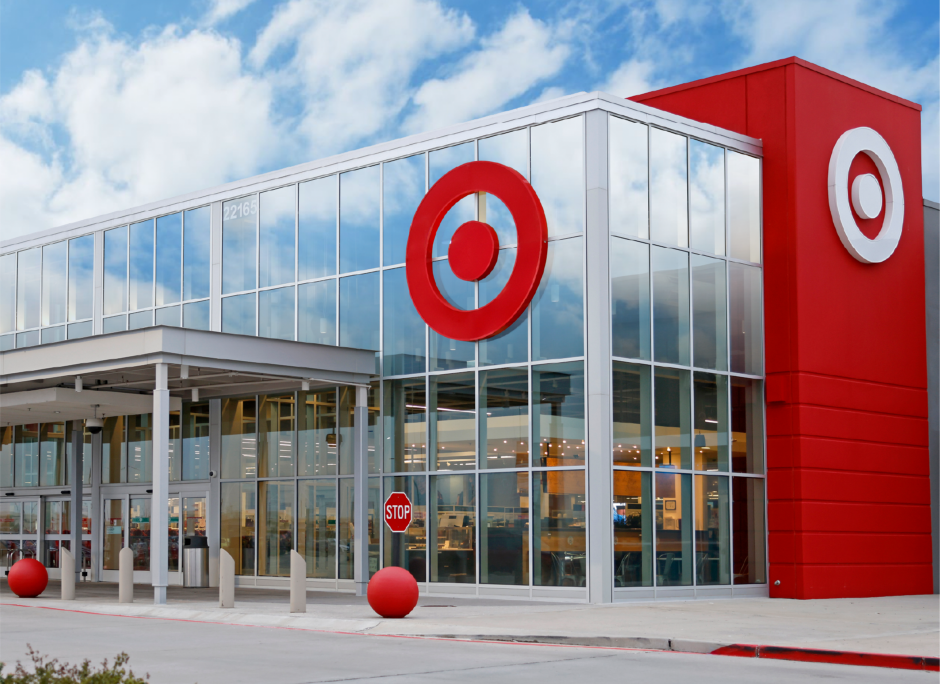
Target Corporation (NYSE: TGT) stands as one of America’s most recognizable retail giants, known for its iconic red bullseye logo, stylish yet affordable merchandise, and strong omnichannel presence. As consumers increasingly demand convenience, value, and experience-driven shopping, Target’s evolution from traditional discount retailer to modern lifestyle destination makes it a compelling subject for company research. This comprehensive 2026 analysis examines Target’s business model, financial performance, competitive positioning, challenges, and growth strategies.
Whether you’re an investor, student, or business professional conducting Target company research, this guide provides actionable insights backed by key metrics and industry context. Let’s dive into what makes Target tick in today’s retail landscape.
Company Overview and History
Target Corporation traces its roots to the Dayton Dry Goods Company, founded in 1902 in Minneapolis, Minnesota. The first Target store opened in 1962 as a discount arm of the Dayton Company, emphasizing clean stores, quality goods, and competitive prices. The company rebranded fully to Target in 2000 and has since grown into a retail powerhouse with approximately 1,900 stores across the United States.
Target’s “Expect More. Pay Less.” brand promise differentiates it from pure discounters like Walmart by focusing on stylish, differentiated private-label products (such as Threshold, Good & Gather, and Cat & Jack) alongside national brands. The company operates primarily in the U.S. but has explored international concepts and digital expansion. In 2026, Target continues investing heavily in e-commerce, same-day services, and store remodels to stay relevant.
Business Segments and Revenue Model
Target generates revenue through several key areas:
- General Merchandise: Apparel, home goods, electronics, and seasonal items.
- Groceries and Consumables: The Good & Gather line and partnerships with brands like Starbucks and Ulta Beauty drive foot traffic.
- Digital and Omnichannel: Target’s app, website, Drive Up, and same-day delivery options have grown significantly post-pandemic.
- Private Brands: These higher-margin offerings now account for a substantial portion of sales.
In fiscal 2025-2026 reporting, Target has emphasized “Owned Brands” growth and membership programs like Target Circle 360 to boost loyalty and recurring revenue. The company’s strategy centers on “differentiation through style and innovation” while maintaining competitive pricing.
Financial Performance and Key Metrics (2026 Update)
Target has shown resilience amid economic pressures. Recent quarters highlight:
- Revenue: Steady growth driven by comparable sales increases and digital expansion.
- Margins: Focus on efficiency, supply chain optimization, and private-label expansion helps protect profitability.
- Guest Traffic and Basket Size: Investments in store experience and exclusive products aim to increase both metrics.
- Capital Allocation: Significant spending on store remodels, technology, and shareholder returns through dividends and buybacks.
Analysts note Target’s ability to navigate inflation, supply chain disruptions, and shifting consumer behavior. Strong holiday performances and back-to-school seasons remain key drivers. Debt levels are manageable, and free cash flow supports ongoing investments.
Competitive Landscape and Target’s Positioning
Target competes with:
- Walmart: Broader assortment and lower prices in many categories.
- Amazon: Dominance in e-commerce and convenience.
- Specialty Retailers: Like Ulta, Home Depot, or fast fashion brands.
- Dollar Stores and Discounters: Pressure on lower-income segments.
Target differentiates through:
- Curated assortments and exclusive collaborations (e.g., designer partnerships).
- Strong in-store experience and clean layout.
- Robust loyalty program (Target Circle).
- Integrated physical + digital shopping (Order Pickup, Drive Up, Shipt).
In 2026, Target continues expanding partnerships (beauty, groceries, electronics) and testing new store formats to capture market share. Sustainability initiatives and ethical sourcing also enhance brand perception among younger consumers.

Challenges Facing Target in 2026
Despite strengths, Target faces several headwinds:
- Economic Uncertainty: Inflation and consumer pullback on discretionary spending.
- Shrink and Theft: Retail theft remains an industry-wide issue requiring enhanced security measures.
- Labor and Supply Chain: Wage pressures and global disruptions affect costs.
- E-commerce Competition: Amazon and pure-play online retailers challenge market share.
- Brand Perception: Balancing “cheap chic” positioning while competing on price.
Target addresses these through data analytics, inventory optimization, and targeted marketing. Executive leadership, including CEO Brian Cornell, emphasizes agility and guest-centric innovation.
Growth Strategies and Future Outlook
Target’s 2026+ roadmap includes:
- Store of the Future: Remodels focused on experiential retail and seamless fulfillment.
- Digital Acceleration: Enhanced app features, personalized recommendations, and faster delivery.
- Private Brand Expansion: More premium and value-driven lines.
- Sustainability Goals: Carbon reduction, ethical sourcing, and circular economy initiatives.
- New Partnerships and Categories: Continued testing in health, wellness, and services.
Analysts remain generally optimistic about Target’s long-term prospects due to its strong balance sheet, loyal customer base, and adaptability. Risks include prolonged economic slowdowns or execution missteps in digital transformation. Overall, Target appears well-positioned to thrive in a fragmented retail environment.
Why Target Matters in American Retail
Target represents the evolution of American discount retailing, blending value, style, and convenience. Its influence extends beyond sales numbers to cultural impact through product design, marketing, and community involvement. For investors, Target offers a mix of stability and growth potential. For consumers, it delivers an enjoyable shopping experience that feels premium without excessive prices.
Final Thoughts on Target Company Research
Target Corporation continues evolving while staying true to its core promise of “Expect More. Pay Less.” Its success stems from understanding customers, investing in omnichannel capabilities, and maintaining a distinct brand identity in a competitive market. As retail landscapes shift toward personalization, sustainability, and seamless experiences, Target’s strategic moves position it favorably for the future.
Whether you’re evaluating Target as an investment, studying retail strategy, or simply a frequent shopper, the company’s trajectory offers valuable lessons in adaptation and customer focus. Continue monitoring quarterly results, expansion plans, and industry trends for the latest developments.
What aspect of Target’s business interests you most? Share your thoughts in the comments. For more company research guides, explore our archives on retail leaders and beyond.
Originally written by renowned publicist R. Couri Hay.