

Citibank remains one of the most recognized names in global banking in 2026. As the consumer-facing and commercial banking brand of Citigroup Inc., it continues to serve millions of individuals, small businesses, corporations, and institutions with products ranging from everyday checking accounts and credit cards to sophisticated cross-border treasury services and wealth management. Under the leadership of CEO Jane Fraser, the bank has spent recent years simplifying its structure, strengthening its technology and controls, and focusing on five core businesses. The result in 2026 is a leaner, more focused institution that is delivering improved financial results while navigating a complex global environment.
This overview examines Citibank’s position in 2026, recent performance highlights, key strategic moves, product offerings that matter most to customers, and the broader outlook for the brand.
Citigroup’s Structure and Focus in 2026
Citigroup operates through five interconnected businesses: Services, Markets, Banking, Wealth, and U.S. Consumer Cards (formerly part of U.S. Personal Banking). Retail banking elements have been more closely aligned with the Wealth segment, while branded cards and related consumer lending form a dedicated cards business. This structure reflects years of deliberate simplification aimed at clearer accountability, faster decision-making, and higher returns.
The bank’s global network remains a core competitive advantage. Citi maintains a presence that allows it to serve clients across more than 180 countries and jurisdictions, with on-the-ground operations in over 90 markets. It processes enormous daily payment volumes and serves a large share of major multinational corporations. At the same time, the firm has continued exiting non-core international consumer businesses and completed the sale of its remaining Russian operations in early 2026, further concentrating resources on priority markets and activities.
In the United States, Citibank emphasizes digital-first banking alongside a branch and ATM network, relationship banking tiers, and a strong credit-card franchise. Internationally, the emphasis is on institutional clients with cross-border needs, trade finance, liquidity management, and securities services.
Financial Performance and Momentum in 2025–2026
Recent results show tangible progress. In 2025, Citigroup reported revenue of approximately $85.2 billion, its highest level in more than a decade, despite ongoing divestitures. Net income improved, and the company returned substantial capital to shareholders. Positive operating leverage (revenue growth outpacing expense growth) was achieved across the firm and within individual businesses.
By mid-2026, quarterly updates continued to highlight revenue growth, disciplined expense management, and progress toward return targets. Management has pointed to a path of 10–11% return on tangible common equity for 2026, with ambitions to move higher in subsequent years through a combination of growth, productivity, and the winding down of transformation costs. Capital ratios have remained solid, supporting both organic investment and shareholder returns via dividends and buybacks.
These numbers matter because they reflect a bank that has moved past the heaviest phase of restructuring and is now focused on consistent execution and competitive positioning.
What Citibank Offers Customers in 2026
Everyday Banking and Relationship Tiers: Citibank provides checking and savings accounts, digital savings options, and certificates of deposit. Relationship programs such as Citi Priority, Citigold, and Citigold Private Client continue to reward higher balances or broader relationships with fee waivers, higher transaction limits, dedicated support, and access to wealth resources. The bank has emphasized no-overdraft-fee options on certain accounts and strong digital tools for day-to-day money management.
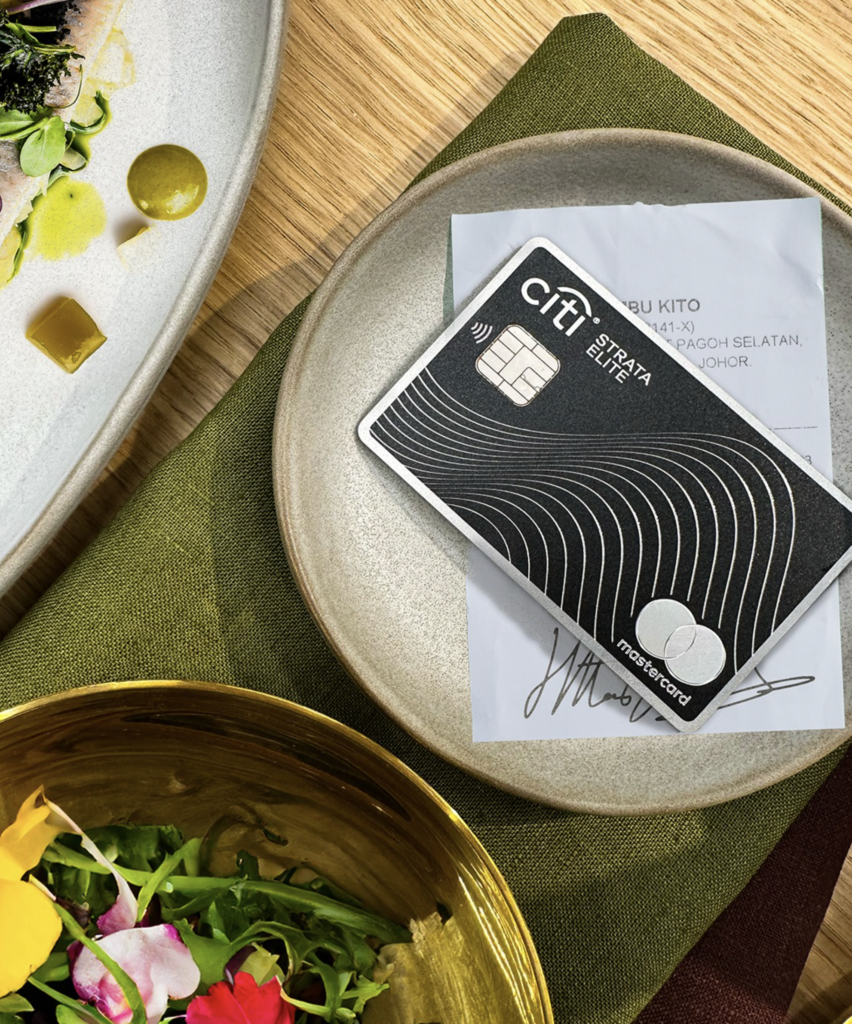
Credit Cards: Credit cards remain one of Citibank’s most visible and competitive consumer businesses in the U.S. The lineup includes cash-back cards, points-based rewards cards, travel-oriented products, and a range of co-branded cards with airlines and other partners. Features commonly include introductory APR offers, bonus categories, flexible payment tools, and seamless app-based management. Citi has continued to expand or acquire co-branded portfolios, reinforcing its scale in consumer payments and lending.
Wealth Management and Investing: Wealth offerings integrate banking, investment accounts, advisory services, and planning support. Self-directed investing platforms allow clients to trade with low or no commissions in many cases. Higher-tier clients gain access to dedicated teams and broader investment solutions. The closer alignment of retail banking with wealth aims to create a more seamless experience as clients’ needs grow.
Digital Experience: The Citi mobile app and online banking platform remain central to the customer experience. Users can monitor accounts, transfer funds, deposit checks, manage cards, track spending, and access support tools. Digital capabilities have been a priority as the bank seeks to serve customers efficiently both inside and outside traditional branch markets.
Business and Institutional Services: For companies, Citi’s strengths in payments, cash management, trade finance, and securities services continue to differentiate it. The ability to move money and manage liquidity across borders at scale remains a key reason large institutions choose Citi.
Strategic Themes Defining Citibank in 2026
Several themes stand out this year:
- Simplification and focus: Fewer layers, clearer business lines, and completed or progressing exits from non-core markets.
- Technology and controls: Continued investment in infrastructure, risk management, and digital capabilities after years of remediation work.
- Growth in priority areas: Emphasis on Services (treasury, trade, and securities), Wealth, U.S. cards, and institutional Banking and Markets.
- Shareholder returns: Consistent capital return through dividends and share repurchases as earnings and capital levels support them.
- Global network advantage: Maintaining the ability to connect clients across borders even as the consumer footprint has been refined.
These priorities shape both how the bank operates internally and the products and service levels customers experience.
Considerations for Customers and Prospects
Citibank can be an attractive option for people who value a strong digital experience, competitive credit-card rewards, relationship banking benefits, or access to a global network for business or international needs. The large ATM network and 24/7 support options add convenience for many users.
As with any large bank, customers should review specific account fees, credit-card terms, interest rates, and eligibility requirements, as these can vary by product and relationship tier. Those seeking purely local community banking or the absolute lowest-fee basic accounts may find alternatives that better match their priorities. International consumers in markets where Citi has exited retail operations will need to look at local or remaining digital options.
Security, fraud protection, and customer-service responsiveness remain ongoing areas of focus industry-wide, and Citibank continues to invest in these capabilities.
Looking Ahead
In 2026, Citibank sits at an inflection point. The heaviest restructuring work is largely complete, financial results show improvement, and the strategic focus is clearer. Management has articulated a path to higher returns through growth and efficiency rather than further major shrinkage. For customers, this should translate into continued investment in digital tools, competitive products (especially in cards and wealth), and reliable institutional services.
The broader environment- interest rates, economic growth, geopolitical conditions, and regulatory expectations- will influence results, as they do for every major bank. Yet Citibank’s combination of a simplified structure, a still-powerful global network, and a meaningful U.S. consumer franchise positions it to compete effectively in the years ahead.
Whether you are evaluating a new checking account, comparing credit-card rewards, exploring wealth services, or simply tracking one of the world’s major financial institutions, Citibank in 2026 reflects a bank that has worked to become more focused, more efficient, and more capable of delivering consistent value to clients and shareholders.
For the most current product details, rates, and account features, the official Citi website and mobile app remain the best sources, as offerings and promotions evolve regularly.