

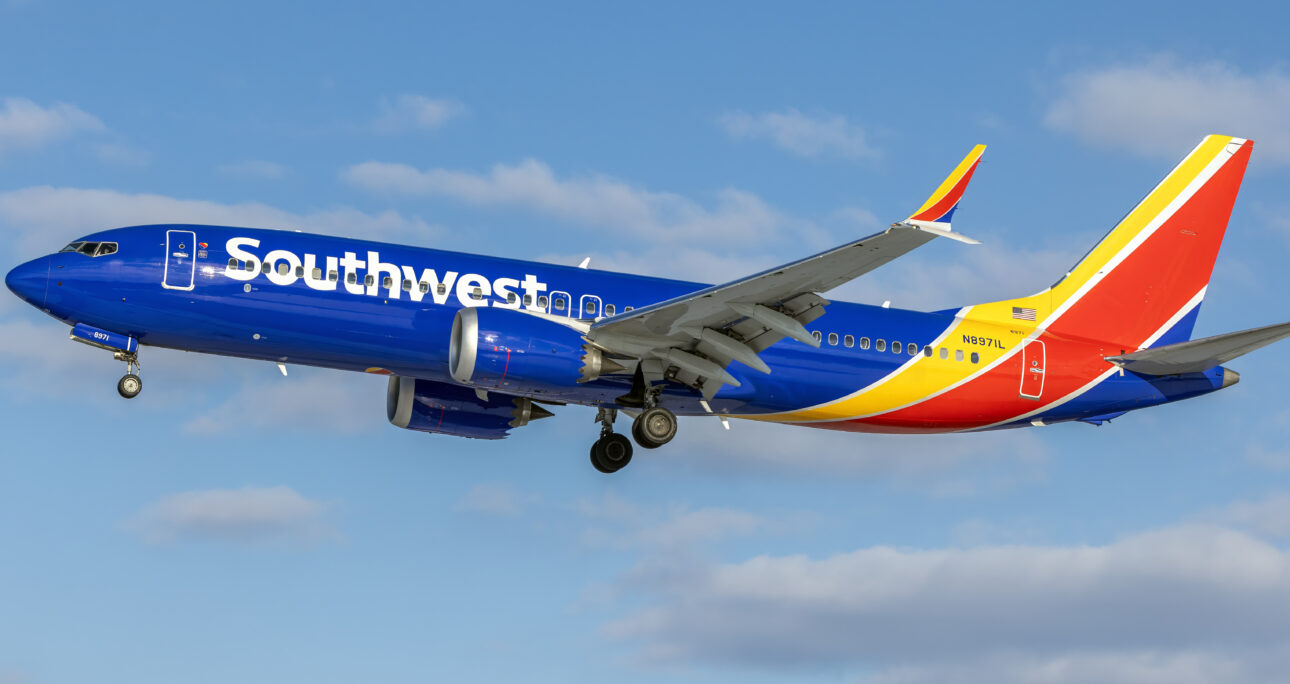
Southwest Airlines spent more than half a century defining itself by one distinctive feature: open seating. Passengers boarded by group, walked onto the plane, and sat wherever they wanted. That era officially ended on January 27, 2026. Since then, a widespread Southwest Airlines seating problem has frustrated travelers, sparked social media outrage, and forced the airline into a series of operational adjustments.
If you have flown Southwest recently or are planning a trip, you have likely heard the complaints or experienced them yourself. This guide breaks down the core issues, explains why they appeared so quickly, and offers practical ways to navigate the new system.
What Changed and Why It Created a Southwest Airlines Seating Problem
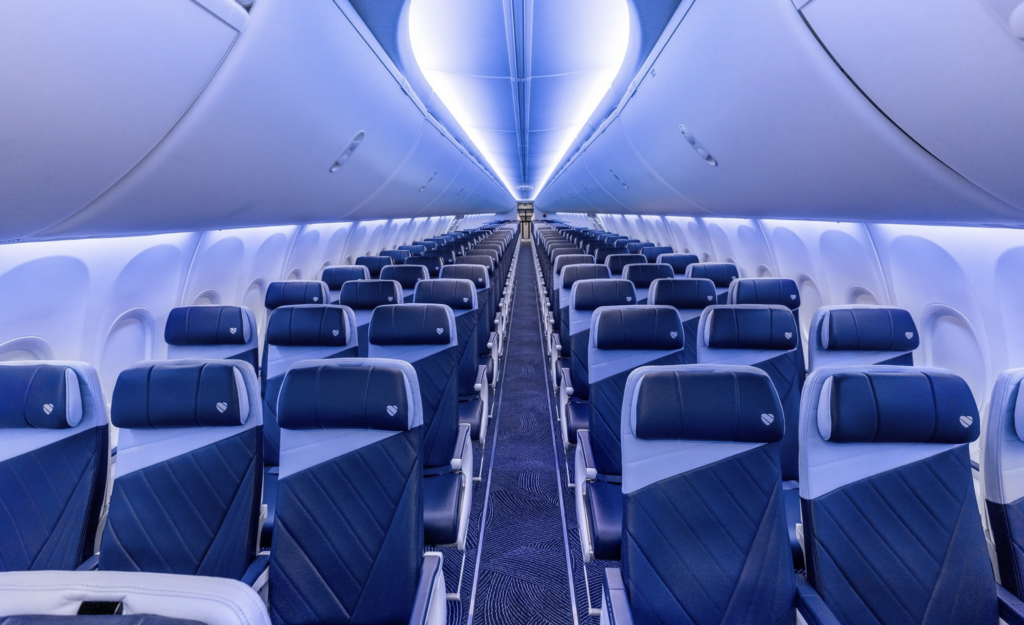
For 54 years, Southwest’s open-seating model supported fast aircraft turns and a relatively flexible passenger experience. Internal research eventually showed that a large majority of current and potential customers preferred assigned seats. In response, the airline introduced assigned seating, extra-legroom options, preferred seats, new fare tiers, and a revised boarding process.
The shift solved some old headaches (seat-saving conflicts and gate-side anxiety for certain travelers). At the same time, it introduced a new set of friction points that many passengers now describe as a significant Southwest Airlines seating problem.
The Main Issues Driving the Southwest Airlines Seating Problem
Overhead Bin Chaos
This remains the most frequently reported complaint. Under open seating, travelers claimed both a seat and nearby bin space in one fluid motion. With assigned seats, passengers head directly to a specific row. Early boarding groups, often those who paid for extra legroom or hold higher status, fill the forward bins first. Later passengers frequently arrive at their assigned seats to find the overhead compartments already full.
The result is aisle congestion, backtracking, last-minute gate-checked bags, and slower boarding overall. Southwest reported a sharp rise in gate-checked carry-ons after the change. Deboarding also suffers when passengers must retrieve bags stored many rows away from their seats.
Families and Groups Split Apart
One of the most emotionally charged aspects of the Southwest Airlines seating problem involves traveling parties. Parents have reported young children assigned to different rows, sometimes next to strangers. Even when families carefully select seats together in advance, aircraft swaps or system reassignments have separated them without clear notice. Caregivers of passengers with special needs have shared similar experiences, amplifying frustration.
Unexpected Seat Changes
Some travelers who paid extra for specific seats (aisle, window, extra legroom, or seats together) have arrived at the airport only to find their assignments altered. Aircraft changes are a common trigger. In certain cases, loyalty members and higher-fare passengers discovered their paid preferences had been moved, creating a sense of bait-and-switch.
Strict Enforcement on Lightly Loaded Flights
On flights with many empty seats, passengers often expect to spread out. Flight attendants frequently enforce the assigned seating strictly, citing weight-and-balance rules or company policy. Travelers have described sitting in a middle seat while empty rows surround them, unable to move even a short distance. For longtime Southwest customers accustomed to flexibility, this rigidity feels especially jarring.
Customer of Size Policy Friction
Alongside the seating overhaul, Southwest adjusted its approach to passengers who require additional space. Early enforcement led to public confrontations at gates and complaints of inconsistent or humiliating treatment. After backlash, the airline clarified and softened aspects of the policy, restoring the ability for agents to offer a complimentary adjacent seat when available. The episode nevertheless contributed to the broader perception of a Southwest Airlines seating problem.
Why the Problems Emerged So Quickly
Several factors collided at once:
- Assigned seats removed the natural urgency that previously kept boarding moving efficiently.
- Bag fees encouraged more passengers to bring carry-ons, intensifying competition for limited overhead space.
- Extra-legroom seats are concentrated toward the front of the aircraft, so early boarders fill those bins first.
- Legacy systems and crew procedures had been optimized for open seating; adapting them took time.
- Longtime loyal customers felt the change as a loss of Southwest’s distinctive identity.
How Southwest Has Responded
The airline has acknowledged the feedback and made several adjustments. It refined boarding group assignments to improve bin availability near assigned seats, added signage reserving certain bins for extra-legroom passengers, and announced plans to retrofit a large portion of its fleet with larger overhead bins. Policy language around customers of size was also updated after public criticism.
These steps show the company is listening, yet frequent flyers report that the core issues persist on a significant number of flights.
Practical Ways to Reduce the Impact of the Southwest Airlines Seating Problem
Until the system fully stabilizes, travelers can take concrete steps:
- Choose higher fare tiers or extra-legroom seats if nearby overhead bin access matters to you.
- Select seats together as early as possible and reconfirm them close to departure day.
- Travel with fewer or smaller carry-ons, or check bags when the cost makes sense.
- Arrive at the gate early and pay close attention to boarding group calls.
- For families or groups, contact Southwest in advance if sitting together is essential, and document any last-minute changes.
- Screenshot or print your seat assignments in case of system updates.
- Consider alternative airlines for trips where guaranteed family seating or predictable bin space is critical.
Has Southwest Lost What Made It Different?
Many longtime customers argue that assigned seating, bag fees, and premium upcharges have erased much of the airline’s unique character. Supporters of the change point to research showing most passengers preferred assigned seats and note the revenue benefits for the company’s future. Critics counter that the execution created new operational headaches and a less flexible experience.
The truth sits somewhere in the middle. Assigned seating solved certain longstanding pain points while introducing others. How effectively Southwest continues to refine boarding flow, bin management, and customer communication will determine whether the current Southwest Airlines seating problem fades or becomes a lasting part of the brand’s reputation.
Final Thoughts
The end of open seating was always going to create disruption. What surprised many observers was how quickly and intensely issues around bins, families, seat changes, and enforcement surfaced. If you are flying Southwest in the coming months, go in prepared: understand the common friction points, protect the parts of the experience that matter most to you, and keep a backup plan ready.
Southwest still offers an extensive domestic network and competitive pricing on many routes. Whether the new seating model ultimately delivers a smoother overall journey, or simply trades one set of challenges for another, depends on continued operational improvements and how well the airline responds to passenger feedback. For now, clear awareness of the Southwest Airlines seating problem remains the most useful tool any traveler can have.