

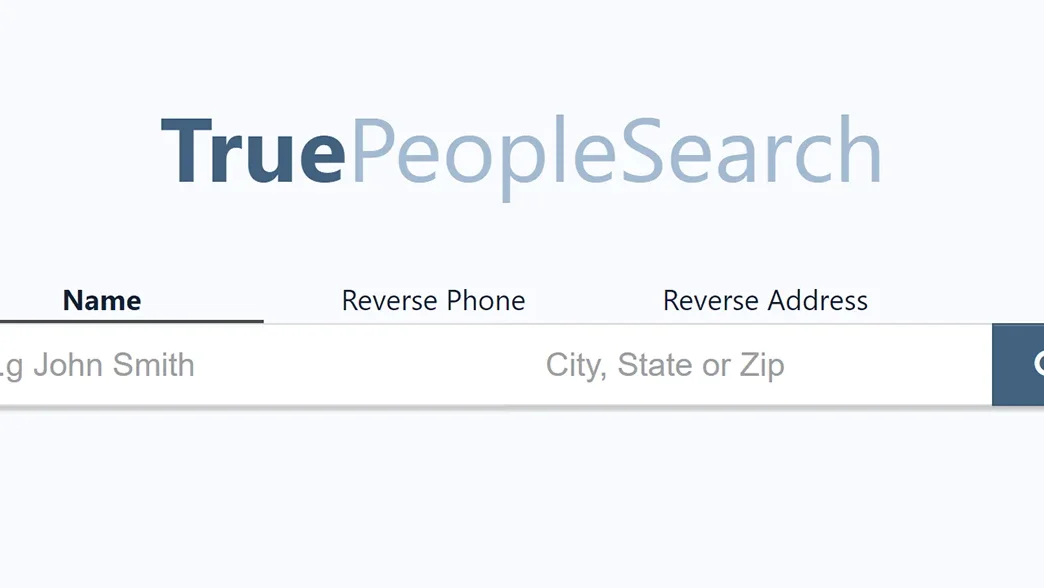
If you’ve ever Googled someone’s phone number, tried to identify a mystery caller, or wondered what information about you is floating around online, chances are you’ve come across True People Search. It’s one of the most visited people-finder sites in the U.S., largely because it’s free and requires no account. But how does it actually work, is it safe to use, and, maybe more importantly, how do you get your own information off it? Here’s a complete breakdown.
What Is True People Search?
TruePeopleSearch.com is a free people-search website that has operated since 2017. It belongs to a broader category of websites known as data brokers or people-finder services, alongside names like FastPeopleSearch, Whitepages, BeenVerified, and Spokeo. Importantly, it doesn’t generate any of its own data. Instead, it pulls information that’s already publicly available, things like property deeds, court filings, voter records, marriage and address histories, and phone directories, and stitches those scattered records into a single, searchable profile.
The result is that a simple name search can surface someone’s current and past addresses, phone numbers, email addresses, age or date of birth, and a network of known relatives and associates.
How Does True People Search Work?
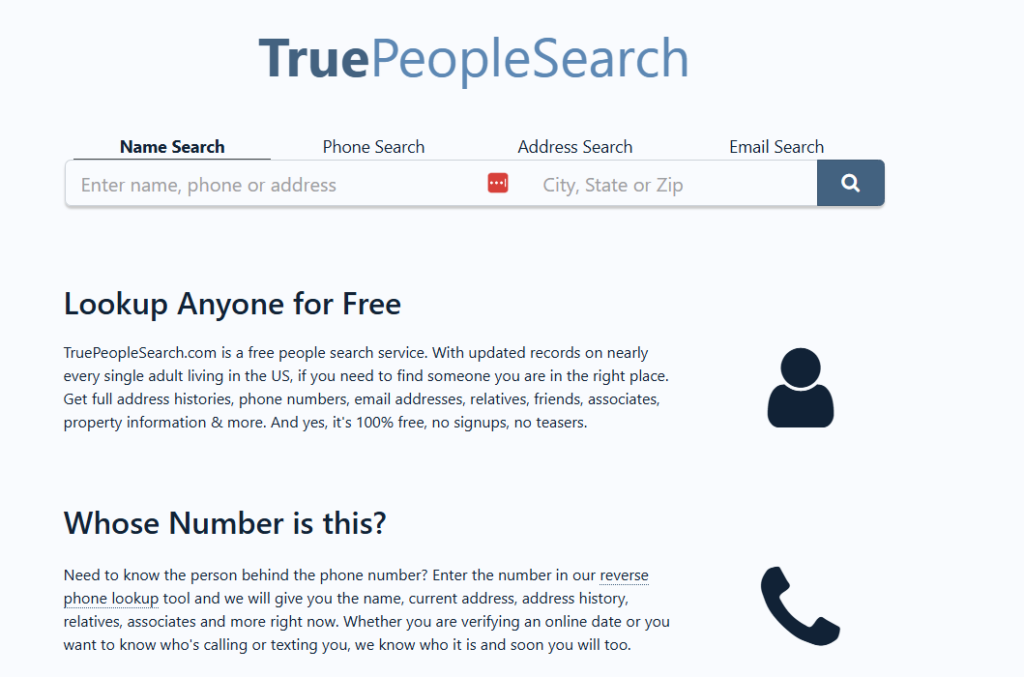
The platform lets you search a few different ways:
- People search: Enter a first and last name (plus a state, if you have it) to pull up a profile.
- Reverse phone lookup: Enter a 10-digit U.S. phone number to identify who it belongs to, commonly used to figure out who’s been calling from an unknown number.
- Address lookup: Enter an address to find the name and contact details of current or past residents.
No sign-up, login, or payment is required for any of these searches, which is a big part of why the site sees such heavy traffic. Results are typically returned almost instantly.
Is True People Search Accurate?
Accuracy is a common concern, and reviews are mixed. Because the data comes from public records that are pulled and aggregated automatically, information can be outdated, an old address might still show up as current, or a person might be listed as living at a property they moved out of years ago. For quick, low-stakes lookups (like checking a spam caller or verifying an old address), it tends to work reasonably well. For anything where accuracy actually matters, it’s a different story.
What You Shouldn’t Use It For
This is the most important thing to understand before relying on True People Search for anything beyond casual lookups: it explicitly cannot be used for employment, tenant, or credit screening decisions. Using it that way would violate the Fair Credit Reporting Act (FCRA), a federal law that governs how consumer data can be used in hiring, housing, and lending decisions. Businesses that use non-FCRA-compliant data for those purposes expose themselves to real legal liability, including potential lawsuits. If you need a background check for hiring or tenant screening, you’ll need an FCRA-certified service instead.
Privacy Concerns: The Trade-Off Behind “Free”
The same feature that makes True People Search popular, free, instant access to detailed personal information, is also what makes it controversial. Because there’s no paywall or account requirement, anyone can look up anyone else’s address, phone number, relatives, and more, without the subject ever knowing. Security researchers have pointed out that a sufficiently detailed profile can reveal more than it seems at first glance, for example, whether someone likely lives alone, or details about their family structure, simply by piecing together the listed relatives and address history.
This has made True People Search a frequent target of privacy advocates, and it’s also why so many people search for ways to remove their own listing from the site.
How to Opt Out of True People Search
If you’ve found your own information listed and want it removed, the good news is that the opt-out process is free and doesn’t take long. Here’s the general process:
- Go directly to the removal page at truepeoplesearch.com/removal, or scroll to the footer of the homepage and click the “Do Not Sell My Personal Information” link.
- Locate your profile using the same search tools the site offers, and select the listing that matches you.
- Submit the opt-out request, confirming that you are the subject of the profile in question. No identity verification beyond a working email address is required.
- Confirm via email, since the site typically sends a confirmation link you’ll need to click to finalize the removal.
Most manual opt-outs are completed within 5 to 15 minutes, and removals often take effect within a day or two, though it’s worth rechecking periodically since data broker listings can reappear as records are re-aggregated. For people who don’t want to repeat this process across dozens of similar sites, paid data-removal services like Incogni or DeleteMe can automate the opt-out across multiple brokers at once, for a fee.
True People Search vs. Similar Sites
It’s worth noting there’s some naming confusion in this space. TruePeopleSearch.com is the original, widely used version of the service. Other similarly named domains, including some using the “.io” extension, are not affiliated with the legitimate site and may simply redirect users to other data broker services or ad-heavy pages. If you’re trying to opt out or verify a profile, make sure you’re on the correct, official domain.
Should You Use True People Search?
Whether True People Search is “worth it” really depends on what you’re using it for. As a free tool to identify an unknown caller, track down a lost contact, or double-check an old address, it can genuinely save time compared to more expensive background-check services. But given how much personal detail it can expose, often about people who never consented to being listed, it’s not a tool to rely on for anything involving legal, financial, or employment decisions, and it’s reasonable to want your own profile removed from it.
Frequently Asked Questions
Is True People Search actually free? Yes. Searching by name, phone number, or address doesn’t require payment, sign-up, or an account.
Can I use True People Search for a background check before hiring someone? No. The site isn’t FCRA-compliant, so using it for employment, tenant, or credit decisions is against federal law and puts the user at legal risk.
How do I remove my information from True People Search? Visit the site’s dedicated removal page, find your listing, and submit an opt-out request. You’ll need to confirm the request via a confirmation email.
Does True People Search verify who is submitting search or removal requests? No formal identity verification is required for opt-out requests beyond a valid email address, which also means removal requests can be submitted relatively easily by the person themselves.
Is my information going to reappear after I opt out? It’s possible. Because data brokers regularly re-scan public records, previously removed listings can sometimes resurface, so periodic rechecking is recommended.