
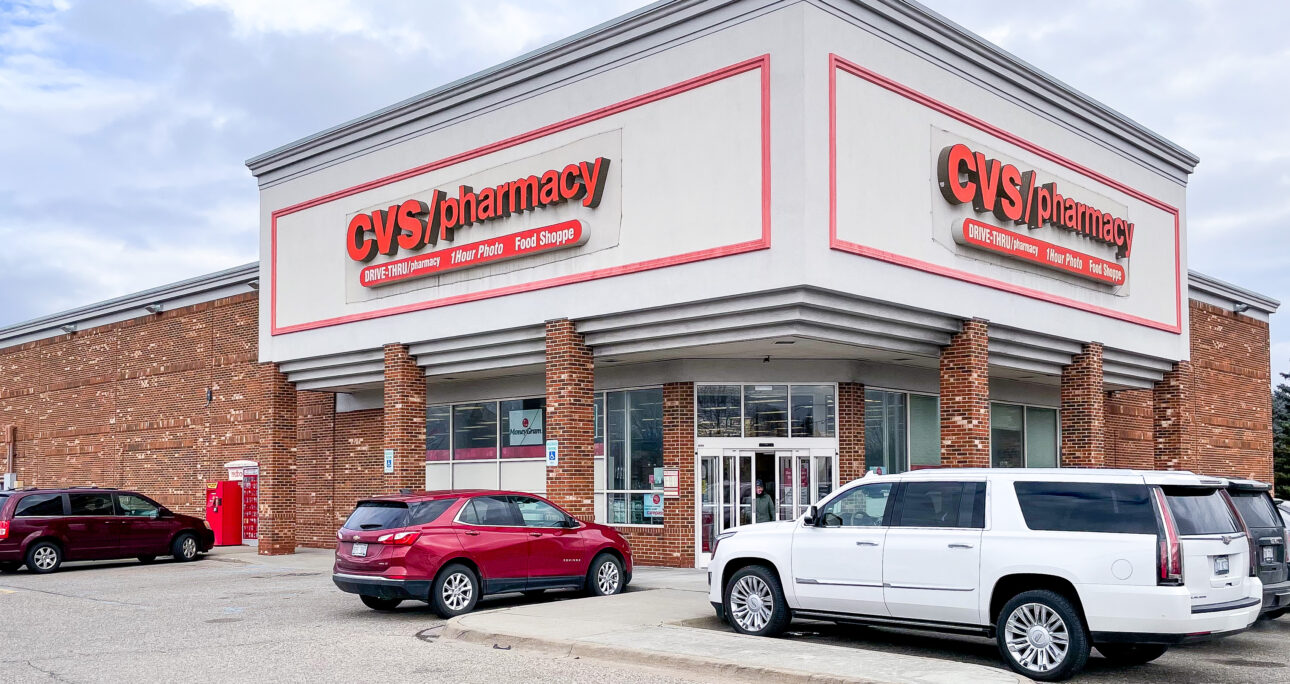
CVS Health remains one of the most consequential players in American healthcare and retail. In 2026, the company continues to operate at the intersection of pharmacy services, insurance, pharmacy benefit management, and community-based care. This analysis examines CVS’s evolution, business model, financial trajectory, competitive position, persistent challenges, and longer-term outlook without relying on short-term quarterly announcements. The goal is a durable, evergreen perspective useful for investors, industry observers, and anyone seeking to understand how a major integrated healthcare company is positioned as the decade advances.
Company Overview and History
CVS traces its roots to a single store opened in Lowell, Massachusetts, in 1963. What began as a conventional pharmacy and front-store retailer expanded steadily through organic growth and acquisitions. The pivotal modern chapter arrived with the 2018 acquisition of Aetna, which transformed CVS from a primarily pharmacy and retail operator into an integrated healthcare company spanning insurance, pharmacy benefit management, and delivery of care. Subsequent moves, including the earlier purchase of Caremark and later additions of primary-care and clinic assets, reinforced the strategy of connecting the dots across the patient journey.
By 2026, CVS Health Corporation operates thousands of retail pharmacy locations, a large mail-order and specialty pharmacy network, a major pharmacy benefit manager, an insurance platform under the Aetna brand, and a growing footprint of clinics and health hubs. The company employs hundreds of thousands of people and touches tens of millions of lives annually through prescriptions, insurance coverage, and clinical services. Its scale gives it unusual visibility into both the cost and utilization sides of American healthcare, an advantage that continues to shape strategy.
The historical arc matters because it explains the current operating model. Early retail dominance created a dense physical network and trusted consumer brand. Vertical integration into PBM and insurance added data, scale in drug purchasing, and the ability to manage total medical cost. Later investments in clinics and digital tools reflect an effort to move from transactional pharmacy visits toward ongoing care relationships. That evolution remains incomplete and contested, yet it defines how CVS approaches the market in 2026.
Business Segments and Revenue Model
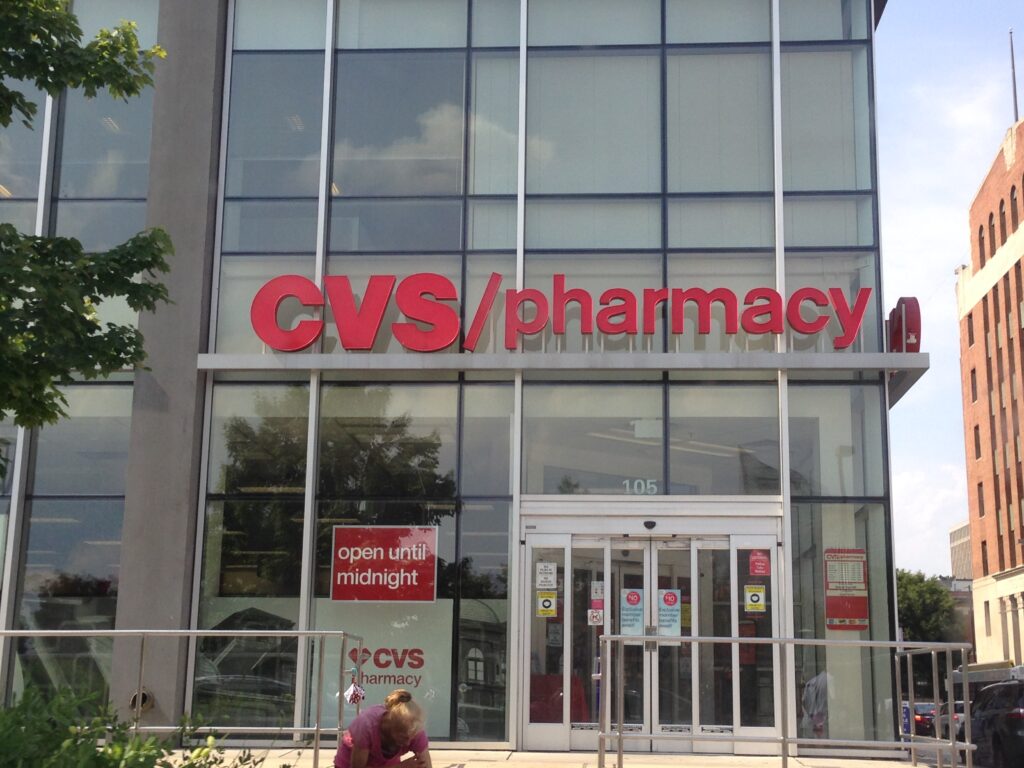
CVS organizes its operations around several core segments that together create both diversification and complexity. The Pharmacy & Consumer Wellness segment encompasses retail pharmacy, front-store merchandise, and related services. This remains the most visible part of the company to ordinary consumers: prescription dispensing, over-the-counter products, and the familiar store experience. Revenue here depends on prescription volume, reimbursement rates, and the mix of higher-margin specialty and front-store sales.
The Health Care Benefits segment, built around Aetna, generates revenue primarily through insurance premiums. It serves commercial, Medicare Advantage, and other populations. Profitability hinges on medical cost trends, membership growth or retention, and administrative efficiency. Because healthcare costs can be volatile, this segment introduces greater earnings variability than pure pharmacy operations.
The Pharmacy Services segment, centered on Caremark, operates as a pharmacy benefit manager. It earns revenue through network administration, rebate management, mail-order and specialty pharmacy fulfillment, and related services for plan sponsors. Scale in claims processing and drug purchasing is central to its economics. The PBM model has faced sustained scrutiny over transparency and rebate practices, yet it continues to contribute substantial volume and cash flow.
Additional clinic and care-delivery assets aim to capture value from lower-cost primary care, chronic-disease management, and integration with both pharmacy and insurance operations. Revenue here is still smaller relative to the core segments but is strategically important for the long-term vision of reducing total cost of care while improving outcomes.
The overall revenue model therefore rests on three pillars: high-volume prescription and retail transactions, insurance risk-bearing, and intermediary services that connect payers, pharmacies, and manufacturers. Cross-segment synergies, such as directing insured members to CVS pharmacies or using PBM data to inform clinical programs, are intended to create a more defensible position than any single line of business could achieve alone. Realization of those synergies remains a central management focus in 2026.
Financial Performance and Key Metrics (2026 Update)
An evergreen assessment of CVS’s financial position emphasizes structural characteristics rather than any single reporting period. The company generates substantial absolute revenue, reflecting its scale across pharmacy, insurance, and PBM activities. Margins vary meaningfully by segment. Pharmacy retail and PBM operations have historically operated with thinner margins that rely on volume and purchasing leverage. The insurance business can deliver higher margins in favorable medical-cost environments but is more sensitive to utilization spikes and competitive pricing pressure.
Key metrics that matter for ongoing analysis include prescription volume growth or decline, same-store sales trends in the retail network, medical cost ratio in the benefits segment, membership trends in Medicare Advantage and commercial books, and free-cash-flow generation after capital expenditures and working-capital needs. Debt levels and leverage ratios also warrant attention given the capital intensity of store networks, technology investments, and past acquisitions.
In the mid-2020s environment, CVS has contended with reimbursement pressure from both government and commercial payers, shifts in prescription mix toward higher-cost specialty drugs, and the ongoing need to invest in technology and clinical capabilities. Cash-flow generation remains a relative strength because of the recurring nature of pharmacy and insurance revenues, supporting dividends, debt management, and selective reinvestment. Investors monitoring the company in 2026 typically watch for evidence that integrated care initiatives are improving medical cost trends or expanding higher-margin services enough to offset structural pressures in traditional pharmacy reimbursement.
Valuation discussions often center on whether the market is assigning appropriate credit for the potential of vertical integration versus discounting the complexity and regulatory overhang. Absolute earnings power is large; the quality and sustainability of those earnings continue to be debated.
Competitive Landscape and CVS’s Positioning
The competitive field is crowded and multi-layered. In retail pharmacy, CVS competes with Walgreens, independent pharmacies, supermarket chains with pharmacy counters, and increasingly with Amazon and other digital players that emphasize convenience and home delivery. In PBM services, it faces Express Scripts (Cigna), OptumRx (UnitedHealth), and smaller or specialized competitors. In insurance, Aetna competes with UnitedHealthcare, Elevance, Humana, and a range of regional and national carriers, particularly in Medicare Advantage.
CVS’s distinctive positioning rests on the combination of a dense retail footprint, a major PBM, and an insurance platform under one corporate roof. Few rivals match that exact mix at comparable scale. The physical store network provides a distribution advantage for prescriptions, vaccines, and basic clinical services that pure digital players cannot easily replicate. The PBM brings negotiating leverage and claims data. The insurance arm creates a direct relationship with members and an incentive to manage total cost.
Rivals respond with their own integration strategies. UnitedHealth’s Optum has built a formidable combination of PBM, care delivery, and technology assets. Amazon has pursued pharmacy and healthcare adjacencies with a focus on convenience and data. Traditional retailers continue to experiment with clinics and expanded health offerings. CVS’s advantage is breadth and brand recognition in community settings; its challenge is proving that the pieces work together more effectively than the sum of specialized competitors.
Market share in prescriptions remains significant, yet volume growth is harder to achieve in a mature market with generic utilization already high and specialty drugs growing as a percentage of spend. Differentiation increasingly depends on clinical services, digital engagement, and the ability to demonstrate better outcomes or lower total cost for payers and patients.
Challenges Facing CVS in 2026
Several structural and cyclical challenges confront CVS in 2026. Reimbursement pressure is persistent. Both public and private payers continue to seek lower drug costs and tighter control over pharmacy spend. Directory fees, clawbacks, and evolving payment models in Medicare and Medicaid create ongoing margin headwinds for retail pharmacy operations.
Regulatory and political scrutiny of PBMs remains intense. Debates over rebate transparency, spread pricing, and the role of middlemen in drug costs have produced legislative and administrative proposals that could alter economics. Any material change in how rebates are handled or how PBMs are compensated would affect a core segment.
Labor and operating costs in a large physical network are elevated. Staffing pharmacies with pharmacists and technicians, maintaining stores, and competing for clinical talent all require ongoing investment. At the same time, consumer expectations for convenience, same-day delivery, digital refill management, and telehealth, necessitate technology spending that does not always generate immediate returns.
Integration execution risk is real. Combining insurance risk management with pharmacy operations and clinic services sounds coherent in strategy documents; delivering measurable improvements in medical cost ratio or member outcomes has proven more difficult. Cultural and operational differences across acquired businesses can slow progress.
Competition from vertically integrated rivals and digitally native entrants continues to intensify. Losing share in high-value specialty pharmacy or Medicare Advantage membership would pressure both revenue and margins. Macro factors such as drug-price inflation, utilization trends post-pandemic, and potential changes in healthcare policy add further uncertainty.
None of these challenges is new, yet their simultaneous presence in 2026 keeps management focused on cost discipline, selective growth, and proof points for the integrated model.
Growth Strategies and Future Outlook
CVS’s growth strategy centers on deepening vertical integration and shifting the mix of business toward higher-value clinical and insurance relationships. Expanding the role of HealthHUB-style locations and clinic services aims to capture more of the primary-care and chronic-care opportunity while driving incremental pharmacy and front-store traffic. Strengthening digital tools for prescription management, insurance navigation, and virtual care is intended to improve retention and lower service costs.
In the PBM and benefits businesses, the emphasis remains on retaining and winning large clients by demonstrating total-cost management and member experience advantages. Specialty pharmacy continues to be a growth area because of the rising share of spend on complex therapies; CVS seeks to maintain or expand its position in fulfillment and patient support services.
Capital allocation priorities typically balance investment in technology and clinical assets, maintenance of the store network, shareholder returns, and debt management. The longer-term outlook hinges on whether these investments produce measurable improvements in medical costs and customer loyalty sufficient to offset structural pressures in traditional pharmacy.
External perspectives on the broader healthcare landscape often highlight the same themes of integration, cost pressure, and consumer expectations. Analysis from sources such as Forbes has examined how large healthcare companies are navigating the shift toward value-based arrangements and the competitive threats posed by technology-enabled entrants. Those discussions reinforce that scale alone is no longer enough; execution on care coordination and cost control will determine relative success through the remainder of the decade.
Looking ahead, CVS is positioned to remain a major force if it can convert its unique asset combination into clearer evidence of better outcomes or lower total cost. Failure to do so would leave it vulnerable to more focused competitors and to policy changes that reshape intermediary economics. The base case for 2026 and beyond is continued large-scale operation with modest organic growth, ongoing margin management, and incremental progress on integration, rather than transformative acceleration or sharp decline.
Why CVS Matters in American Healthcare
CVS occupies a rare position that touches patients at multiple points: the retail counter where prescriptions are filled, the insurance card that helps pay for care, the PBM that influences which drugs are preferred, and increasingly the clinic where basic care is delivered. That breadth makes the company a useful lens on the American healthcare system itself. Trends in drug pricing, insurance design, pharmacy access in urban and rural communities, and the push toward lower-cost sites of care all flow through CVS’s operations in some form.
For policymakers, CVS’s scale means its responses to reimbursement changes or transparency rules affect millions of people. For employers and plan sponsors, its PBM and insurance offerings influence benefit design and cost trends. For consumers, the local CVS store often remains one of the most accessible points of healthcare interaction outside a physician’s office. The company’s ability or inability to improve coordination across these touchpoints therefore carries implications beyond its own financial results.
In an era of rising specialty-drug costs, aging demographics, and persistent concern about healthcare affordability, integrated players like CVS will continue to be tested on whether consolidation produces efficiency and better care or simply concentrates market power. That test is ongoing in 2026.
Final Thoughts on CVS Company Research
CVS Health in 2026 is a large, complex, and strategically ambitious company still working to prove that its multi-segment model can consistently outperform more specialized rivals. Its history of retail expansion and major acquisitions created unmatched scale and reach. Its current challenges- reimbursement pressure, regulatory scrutiny, integration execution, and intense competition- are significant and durable. Its opportunities lie in clinical services, digital engagement, specialty pharmacy, and any demonstrated ability to lower total cost of care for the populations it serves.
An evergreen analysis suggests that CVS will remain a central participant in American pharmacy and healthcare for the foreseeable future. Absolute size and cash generation provide resilience. Relative performance will depend on operational discipline and clearer evidence that vertical integration delivers measurable value. For researchers, investors, and industry participants, continued attention to prescription trends, medical cost ratios, membership dynamics, and the pace of clinical expansion will offer the clearest signals of how the strategy is progressing. The company that began as a single pharmacy in Massachusetts now sits near the center of debates about cost, access, and the future structure of care, an outcome that ensures CVS company research will stay relevant well beyond 2026.